
Seasonal journal · October
The garden in October
Fall tasks before the ground freezes
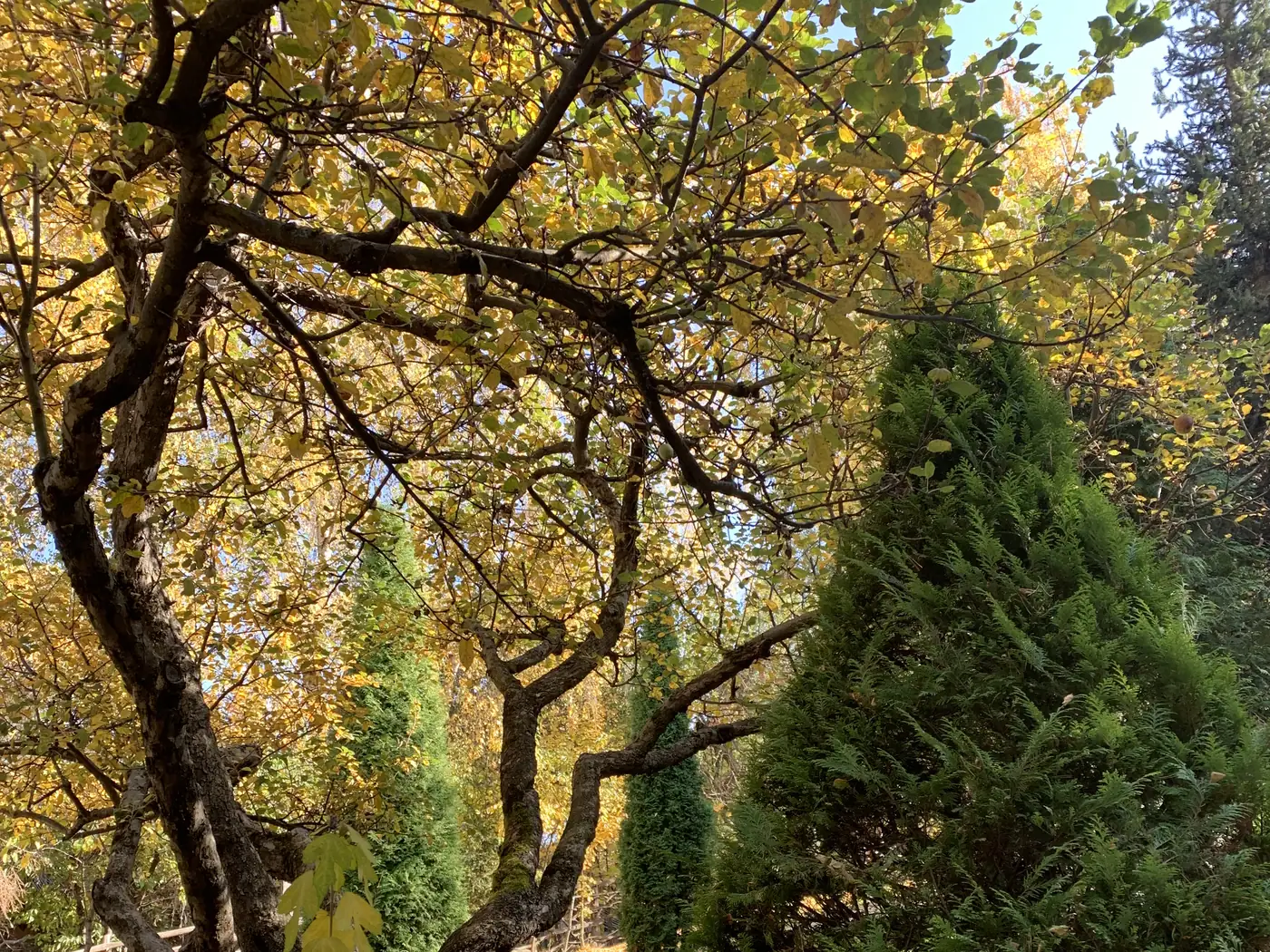
In October, the light reaches the garden differently. It slips in lower through the branches, picks out the remaining flowers and casts shade over the beds earlier in the day.
I like to pause for a moment before I start working. Now you can see details that get lost in midsummer, when everything is growing and asking for attention at once.
In the Romanian folk calendar, October is called Brumărel, after the hoarfrosts that begin now. In Bran (Brașov County, Romania), this month doesn’t come with a reliable schedule. I know a warm afternoon can quickly turn into a frosty morning, and today’s perfect soil can be too wet next week. That’s why in October I let the weather and the state of the soil guide my garden tasks, rather than strictly following the calendar.
I start by protecting the cold-sensitive plants and finishing the planting of the bulbs that will flower in spring, tidying up step by step. A garden doesn’t need to be completely cleared to come through the winter well.
October at a glance
- I plant spring bulbs while the soil isn’t frozen.
- I plant the roses I ordered, bare-root or potted.
- I lift the dahlias after the first frost and store them under cover.
- I leave pruning hydrangeas and roses until spring.
- I pick apples and pears to store in the cellar.
- I collect seeds from annuals and label them.
01
Choose tasks by the weather
Before I spend a day in the garden, I check the forecast lows and the state of the soil. If the soil sticks to my boots and forms heavy clods, I put off digging and moving plants. I use that time for labels, photos or tools. In the mountains, I know a job done in the right weather is worth more than ticking off a task list on schedule.
02
Plant bulbs before the season closes
Daffodils and crocuses shouldn’t be left in their bags until late fall. As for tulips, I plant them as soon as the soil has cooled a little, without waiting for November as guides for warmer areas recommend, especially if frost is approaching in Bran. I choose only healthy bulbs and plant each species at the right depth.
As a basic rule, planting depth is 2–3 times the height of the bulb, measured from its base. [1] You’ll find more about this in the guide Planting bulbs in the mountains.
03
Plant bare-root roses
Once the leaves have fallen and the bushes go dormant, late fall becomes the ideal time to plant bare-root roses. In a mountain area like Bran, I take advantage of the mild days in October, while the soil isn’t frozen yet, to give them an excellent start. The roots have time to settle in before the winter cold, and in spring the young plants take off with vigor.
Before setting them in the hole, I trim the root tips slightly and soak the roots well, making sure the graft union stays a few centimeters (an inch or two) below soil level to protect it from frost. [13]
04
Move plants only while they still have time to settle in
Crowded perennials can be moved, but not every move is a good idea now. It’s important to watch for the arrival of lasting cold and how well the soil drains. If the season is already far along, I note the spot and leave dividing the clump until spring.
With new plants bought on sale at this time of year, I keep the same planting depth as in the pot and water to settle the soil around the roots. [2]
05
Get the dahlias ready for storage
In a garden with cold winters, storing the tubers under cover is the prudent choice. I lift them before the soil freezes; often the signal is the first frost that changes the color of the foliage. If a hard frost is forecast, I don’t wait for all the leaves to blacken. I label them, wash them with the hose, let them dry off and keep them in a cool, airy, frost-free place. [3]
06
Clear leaves from where they get in the way
I remove thick layers of leaves from paths and the lawn. Under shrubs I leave some of the healthy ones. The rest go to the leaf pile, in a mesh enclosure or in perforated bags, and I dampen them if they’re very dry. Leaf mold isn’t ready by spring: it usually takes one or two years. [4] I wrote more about compost and mulch in Feeding and soil care.
07
Tidy the beds without emptying them
I remove collapsed stems and diseased debris, but leave seeds and healthy stems, which feed birds and shelter insects. With tall phlox , I remove the leaves affected by powdery mildew. Creeping phlox is a different story: its green carpet isn’t cut back to the ground. I only clear away the leaves that cover it and hold moisture. [2, 5]
08
Leave the hydrangea buds where they are
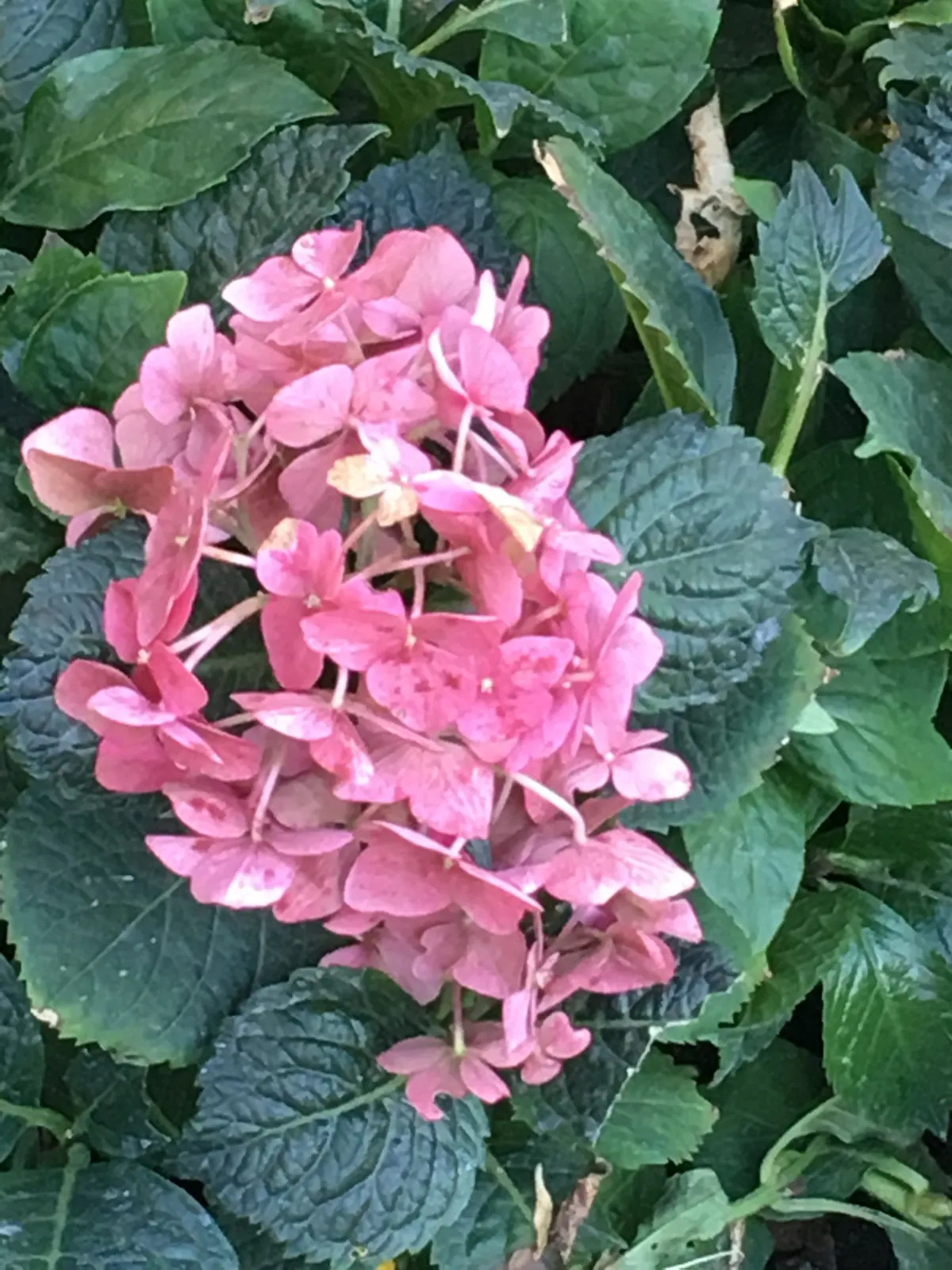
In fall I don’t prune hydrangeas. Macrophylla already carries the buds for next year’s flowers; paniculata and arborescens bloom on new wood, but I still prune them only in spring. With roses, I now shorten only the canes that could break under the weight of snow and check the ties on the climbers; I leave formative pruning for spring, according to each type. [6, 7] I’ve gathered which plant to prune when in Pruning by plant type.
09
Check the water before you put the hose away
Cooler weather reduces the need for watering, but a newly planted plant or a pot sheltered from the rain may still have dry soil. I check before watering and don’t try to make up for a whole dry spell at once. Nitrogen-rich fertilizers have no place now either: tender growth that starts late is very vulnerable to cold. [8]
10
Get your protective materials ready early, but don’t cover plants too soon
It’s important to have the frost cloth on hand before the first freezing night. Plants that can’t take frost need proper shelter, not just a cover. I also check the pots: water needs to be able to drain. Protecting the roots and protecting the shoots are different things; a layer of mulch doesn’t protect exposed leaves. [8] I described how I get the garden ready for frost in Protecting the garden in winter.
11
Photograph what you want to change
Before the stems disappear, I note the spots left empty and the neighbors that got crowded. For hydrangeas and phlox, a photo of the whole plant often says more than a close-up of the flower. I add the name from the label, if I have it. In winter, these notes help me plan moves without relying on memory alone.
By area, at a glance
| Area | What I do in October |
|---|---|
| Roses | I remove black-spotted leaves from under the bushes and check the ties on the climbers. Pruning waits until spring. [7] I plant the new roses I bought. |
| Perennials | I cut only diseased or collapsed stems; the rest stays for birds and insects. [2] |
| Bulbs and dahlias | I plant daffodils and crocuses, then tulips; I lift dahlias after the first frost. [1, 3] |
| Hydrangeas and shrubs | I don’t prune; the dried flowers stay on the plant. [6] |
| Orchard | I pick the apples and pears for storing just before they’re fully ripe. [9] |
| Lawn | I rake leaves off the grass and set the mower higher for the last cut. [12] |
| Pots | I move tender plants under cover before the first frost. [8] |
| Seeds | I collect dry seeds from my plants and label them. [10] |
| Compost | I mix dry leaves with green waste and cover the pile before the long rains. |
| Tools | I clean and dry the tools I won’t use again until spring. |
The orchard: apples and pears for the cellar
I store the apples and pears from the garden in the cellar, and what doesn’t fit becomes pasteurized juice. For storage I choose whole, unbruised fruit with the stalk on, picked just before it’s fully ripe. [9]
In the cellar I lay them in a single layer on slatted crates, not touching each other. The ideal spot is dark, airy, safe from frost and mice, at 4–7 °C (39–45 °F). I keep them away from onions, paint and fertilizers and separate early varieties from late ones. I check them weekly and throw out any fruit that starts to rot. [9]
Pears need more attention: I check them almost daily and bring them indoors a day or two before eating them, so they soften. [9]
Seeds to save
With October, nature enters another stage: many perennials offer up their seeds. I collect only dry seed pods from healthy plants, on a day without dampness. I let them dry well indoors, clean them and put them in envelopes or jars with the plant’s name and the date. [10]
I save seeds only from plants that aren’t F1 hybrids; hybrids produce plants that differ from the parent plant. [10] With sweet William, foxglove or echinacea, the colors can mix from one year to the next, but I like the surprise.
I keep them somewhere cold and dry and prefer to sow them the following year, when they germinate very well. [10] In February I sow them on the windowsill, like almost all my seedlings; you’ll find how I do it in Sowing and seedlings in the mountains.
For birds, hedgehogs and insects
The garden doesn’t have to look bare to be ready for winter. I leave seed-bearing stems for the birds, a pile of leaves and branches in a quiet corner for hedgehogs and insects, and a dish of water that I clean often. Dry hydrangea stems left standing can shelter solitary bees. [11]
What’s blooming in my garden now
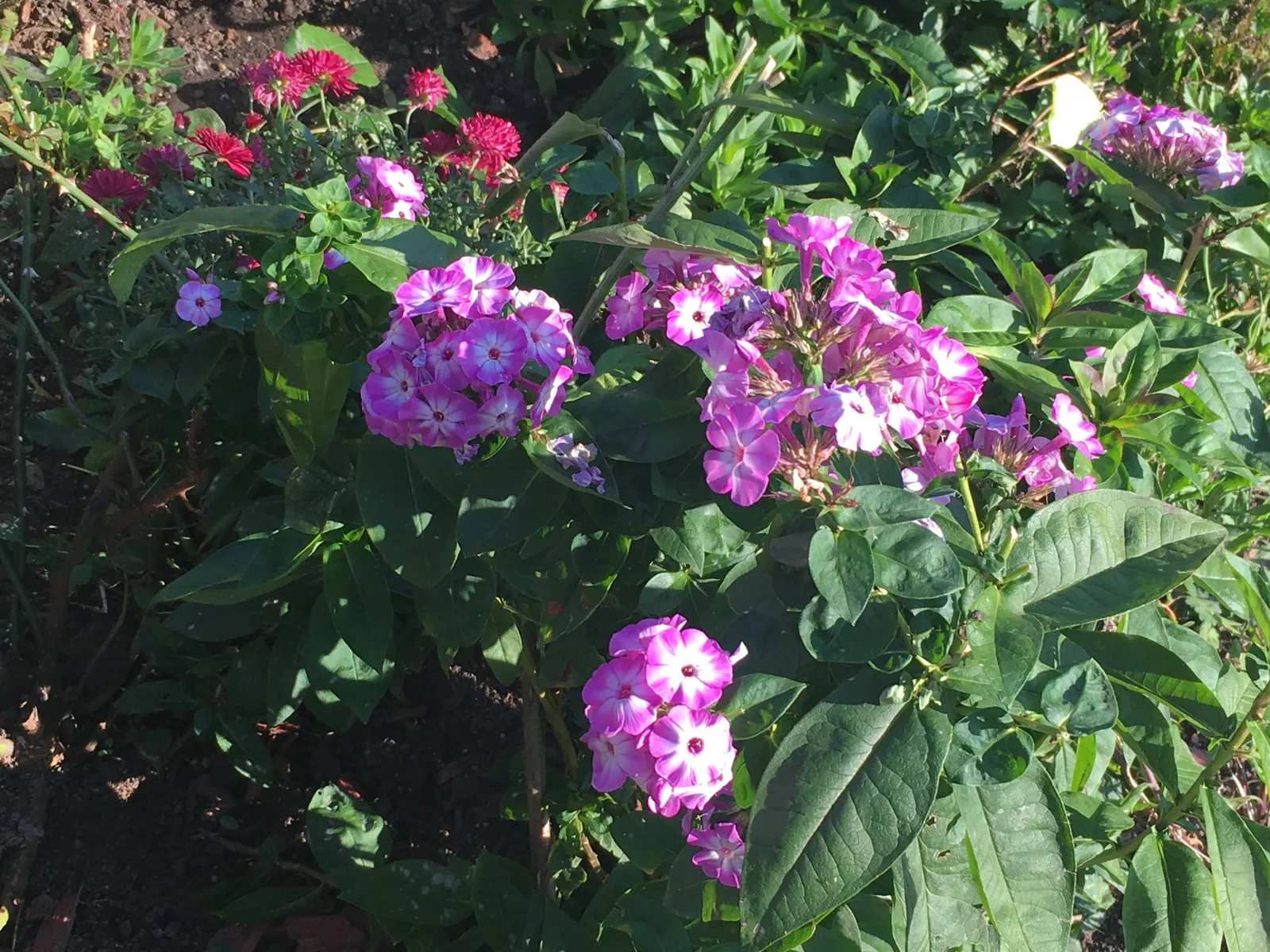
- Tall phlox, which in Bran blooms in waves from July to November.
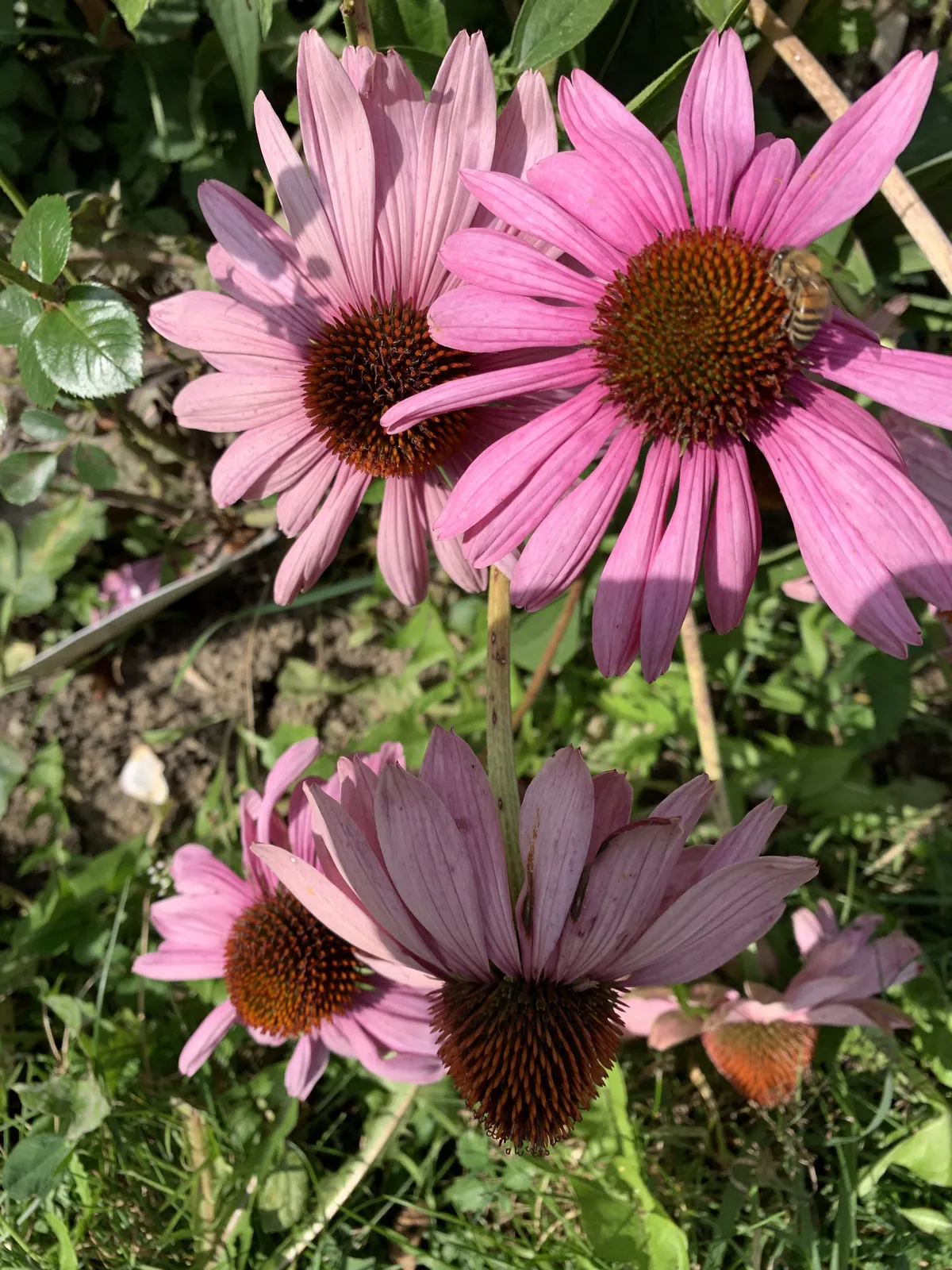
- Echinacea, with the last flowers of the season.
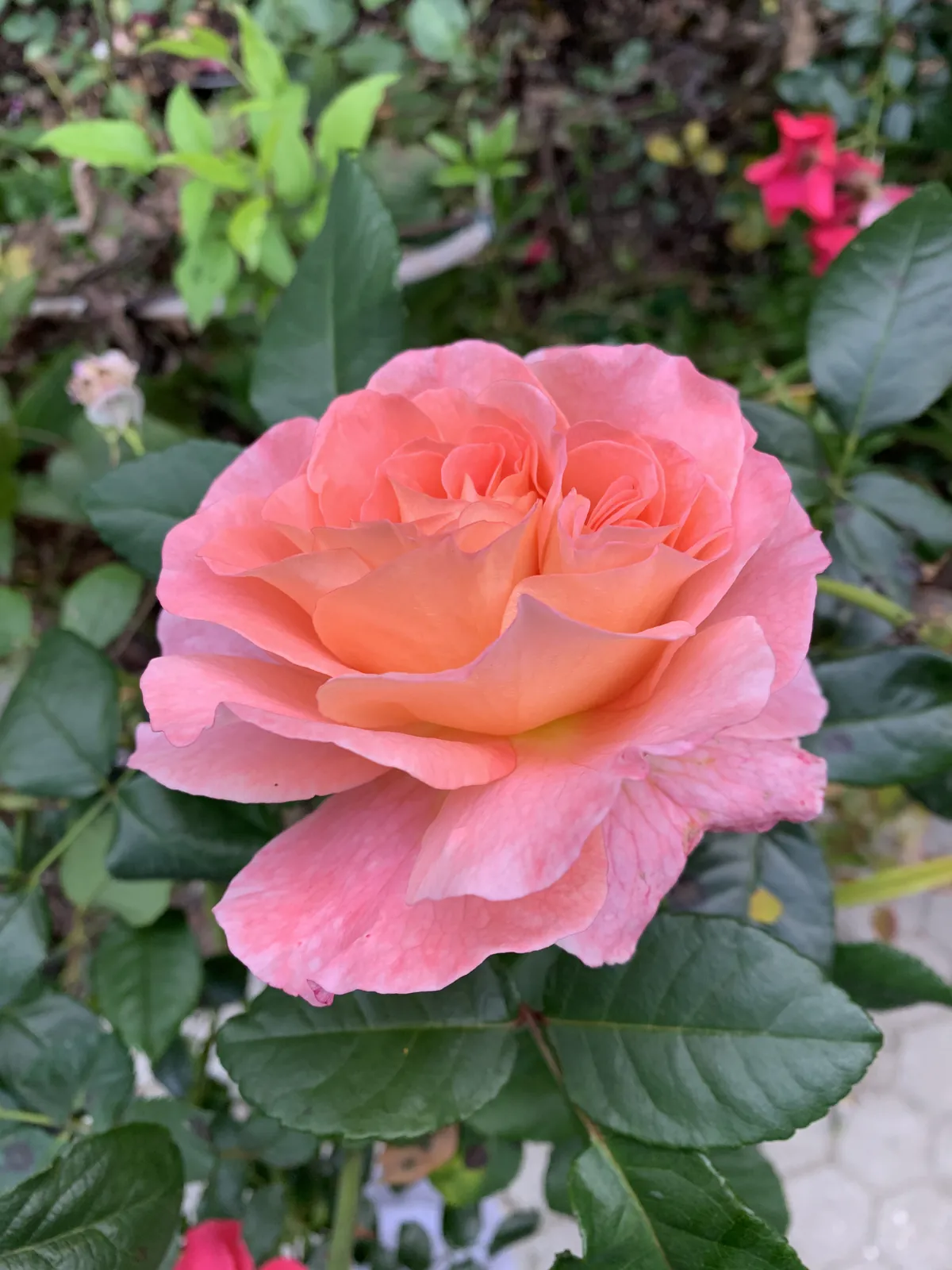
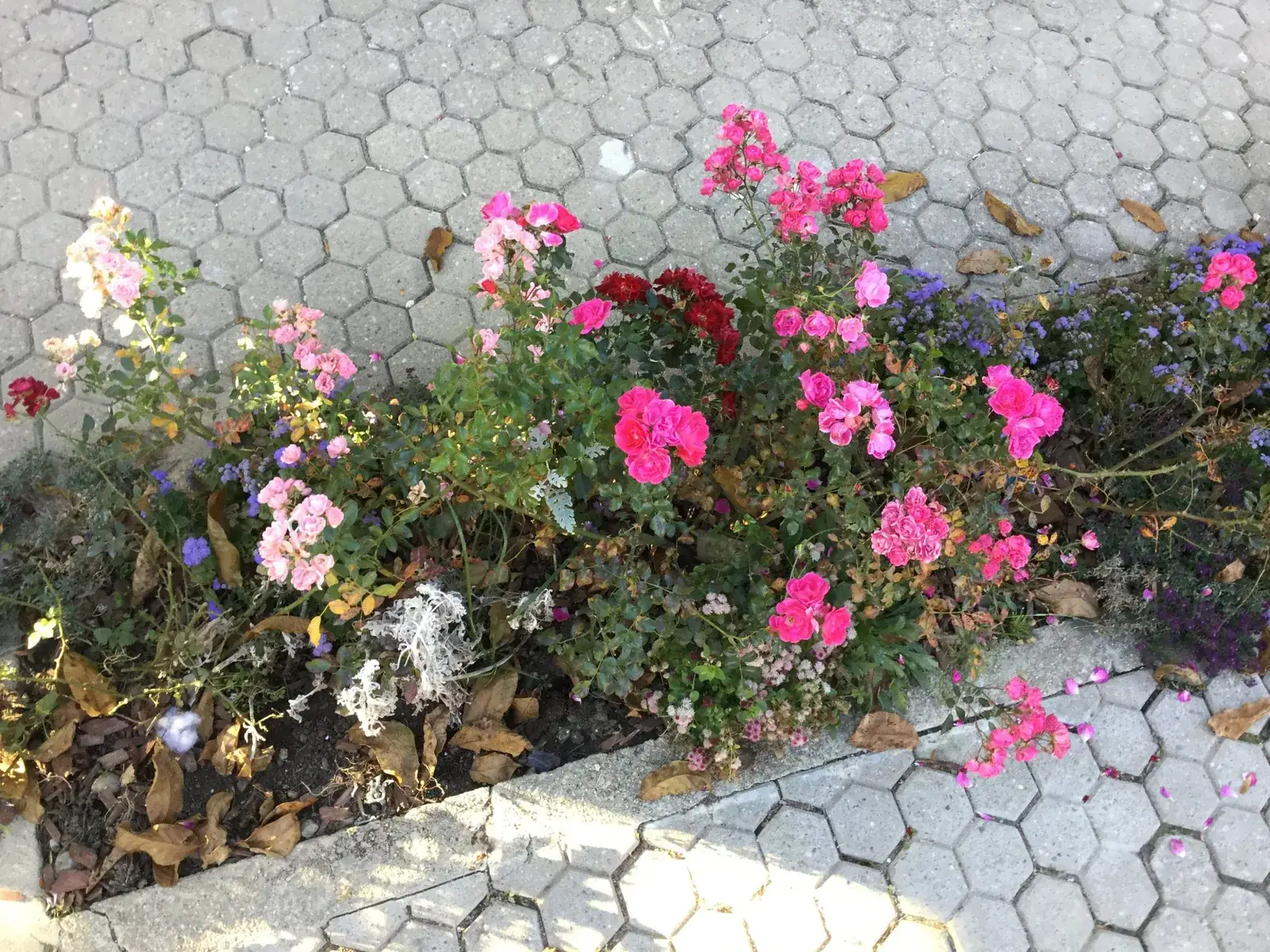
- Repeat-flowering roses, between two frosts.
- Hydrangea paniculata, turning from white to pink.
- Garden mums, in their fall colors.
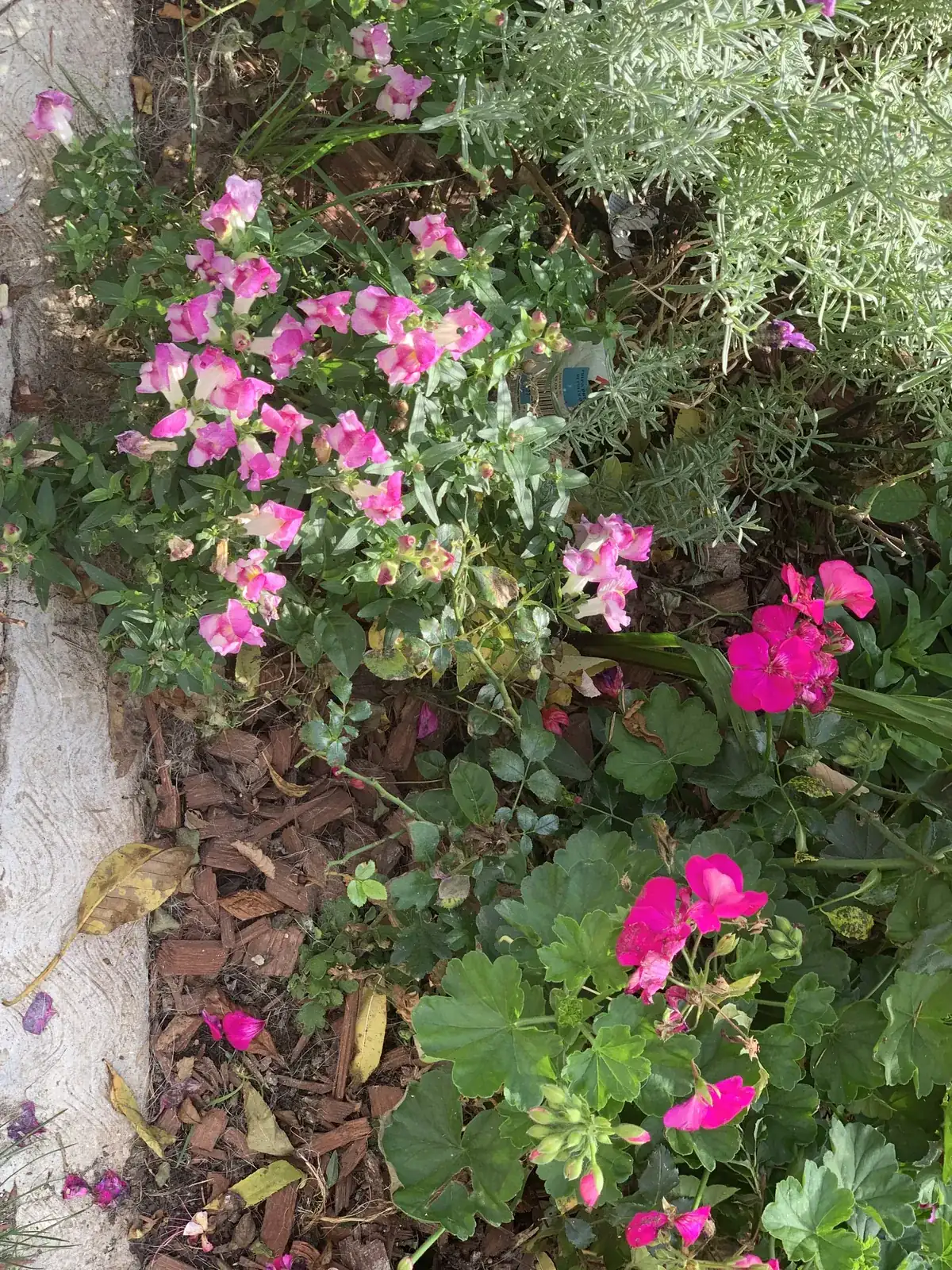
- Pinks and sweet William, which last until the first frost.
October checklist
- Spring bulbs are planted.
- Dahlias are lifted, labeled and set to dry.
- Divided perennials have been watered.
- Leaves are cleared from paths and the lawn; some went to the leaf pile.
- Diseased leaves under the roses are removed.
- Hydrangeas are left unpruned.
- Apples and pears are in the cellar, in a single layer.
- Seeds are dried and labeled.
- Frost cloth is within reach.
- I’ve photographed the beds I want to change.
What’s worth finishing now
If time is short, I start with tender plants, any bulbs left and the spots where water pools. Leaves and the rest of the tidying fit in between these jobs. October doesn’t ask me to finish everything, just to choose what can’t wait.
What do you get ready for winter first: the bulbs, the pots or the flower beds? Tell me in the comments.
Further reading
- [1] RHS — Planting bulbs
- [2] RHS — October jobs in the flower garden
- [3] RHS — Growing and overwintering dahlias
- [4] RHS — Leaf mold
- [5] NC State Extension — Phlox paniculata
- [6] RHS — Pruning hydrangeas
- [7] Iowa State University Extension — Seasonal rose care
- [8] RHS — Preventing frost damage
- [9] RHS — Storing fruit
- [10] NC State Extension — Tips for saving seeds
- [11] NC State Extension — Hydrangea macrophylla
- [12] Au Jardin — October in the garden
- [13] American Rose Society — Overwintering roses in cold zones
I’ve adapted the advice from these sources to my mountain garden. The weather, the soil and the plant matter more than the month on the calendar.
Photos from my garden
October in pictures
A few moments from the garden in Bran in October.