
Seasonal journal · September
The garden in September
Tasks for a calm fall and an easier spring
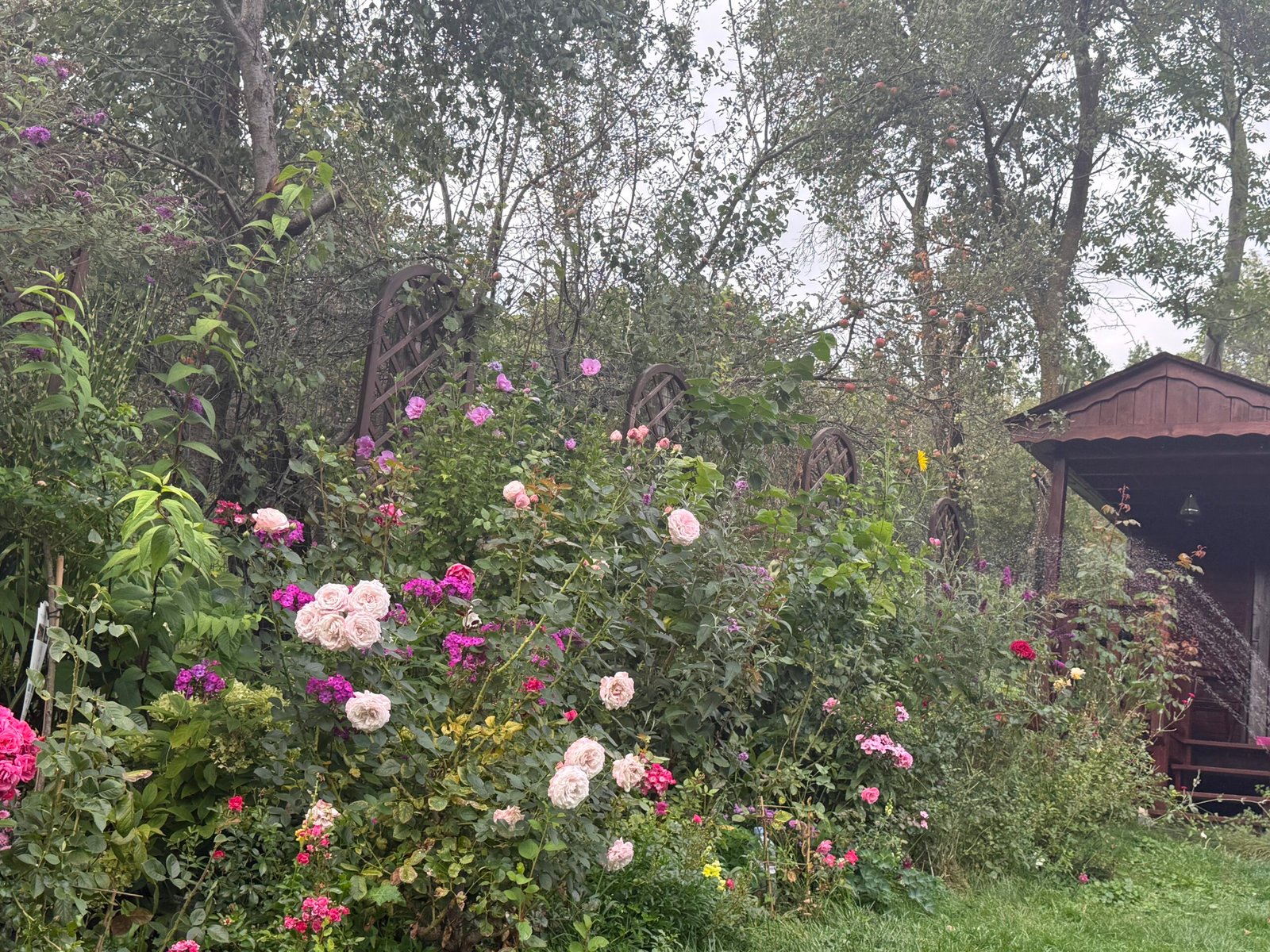
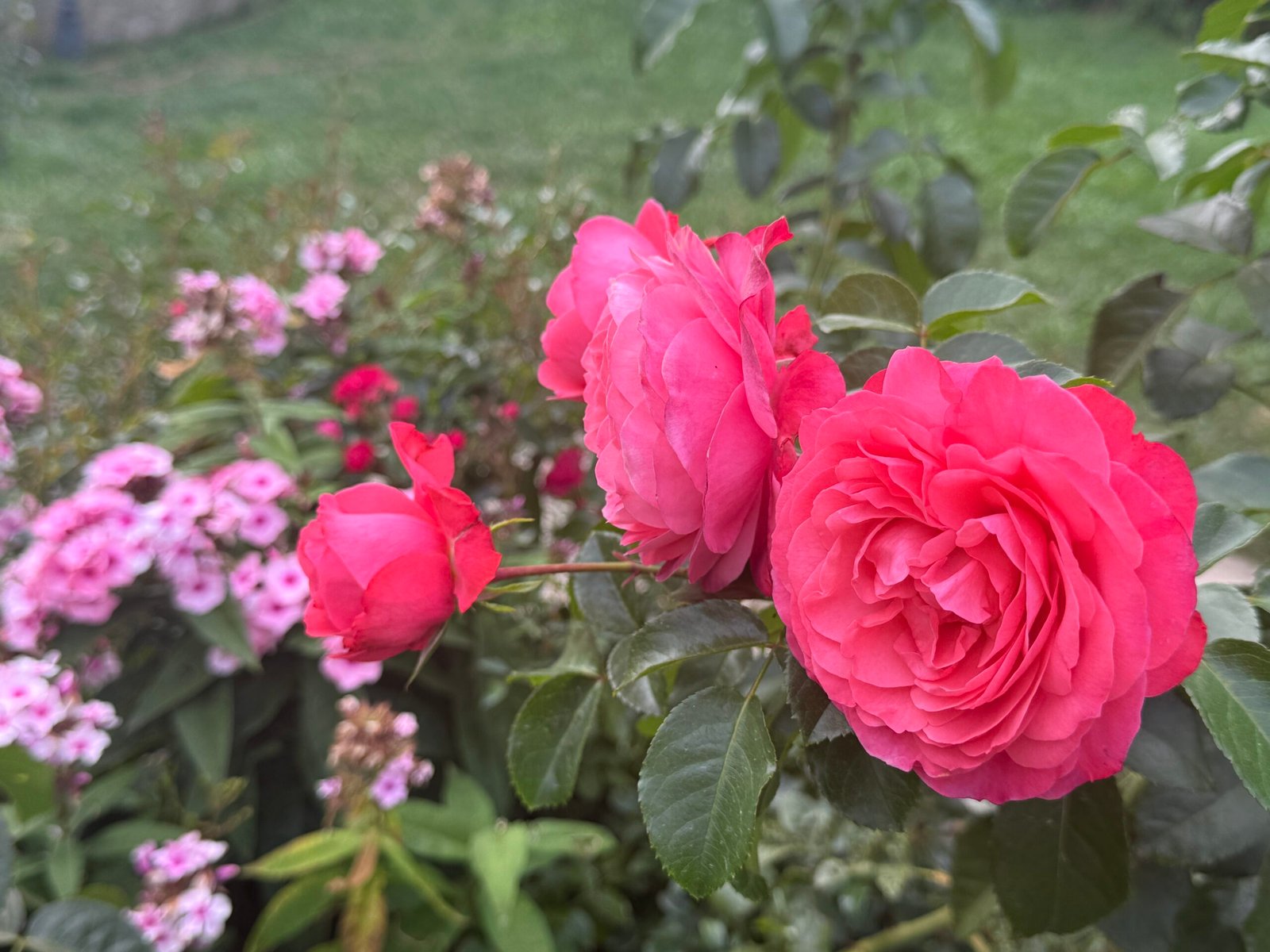
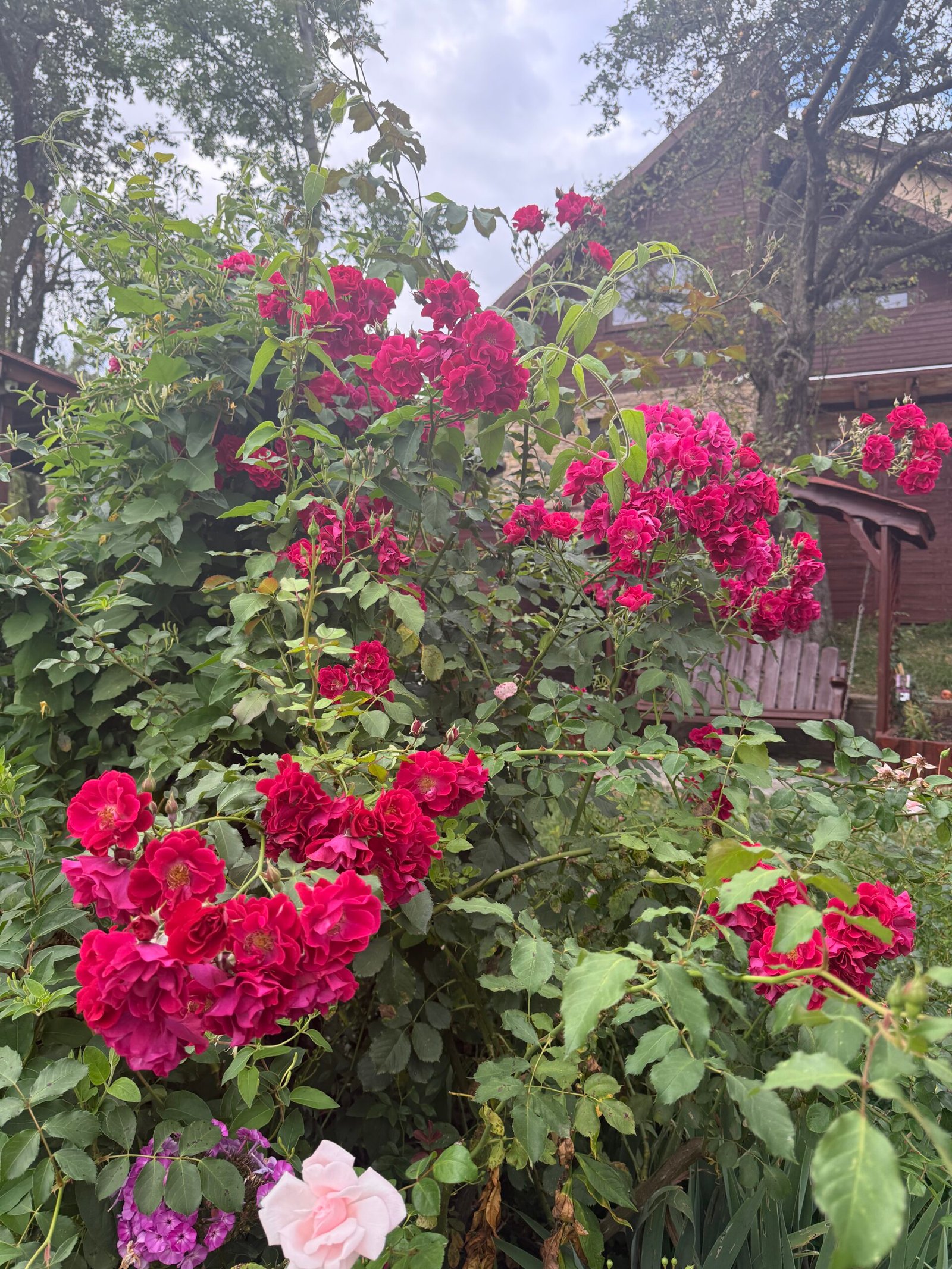
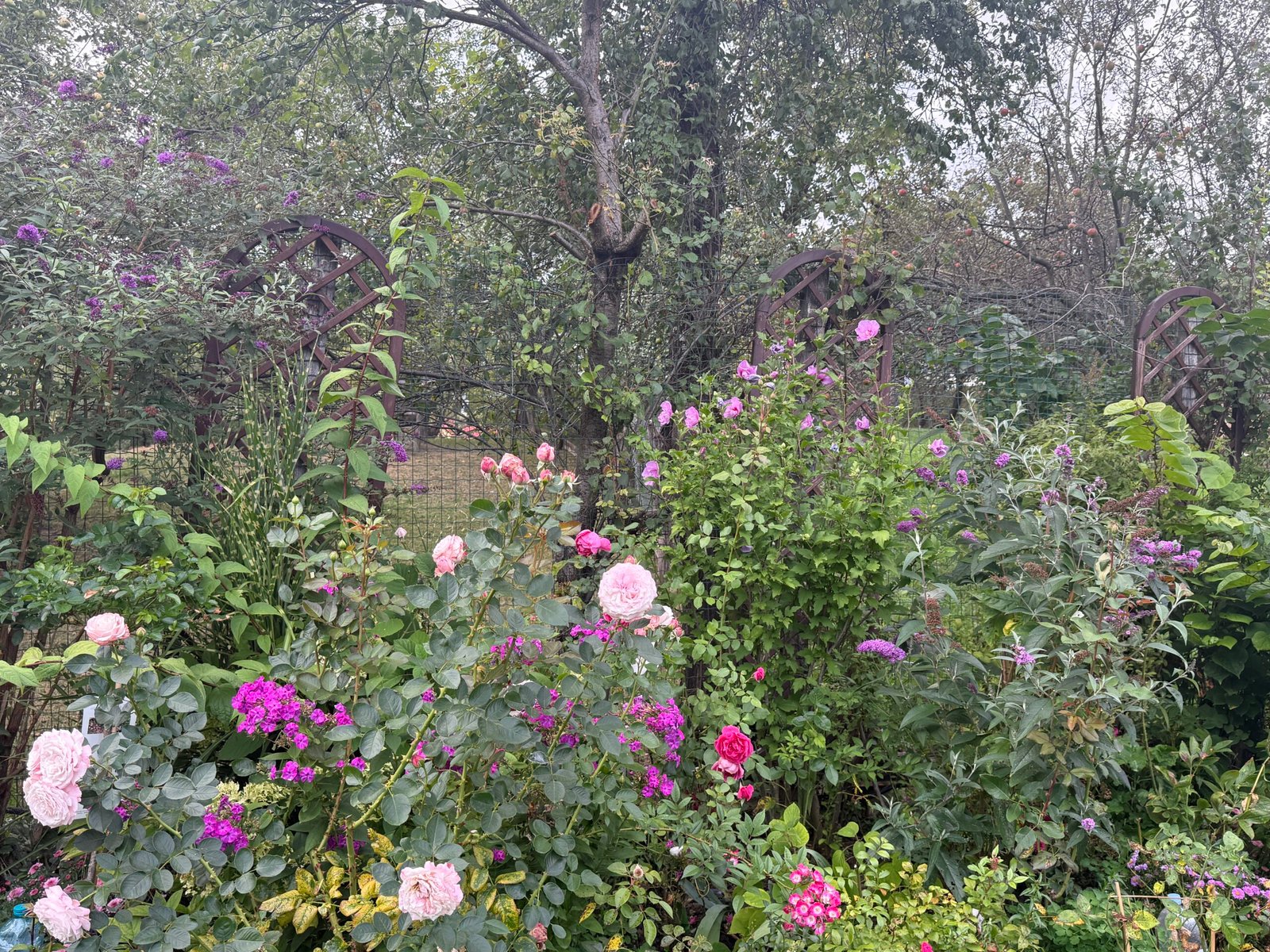
In September the garden still has flowers, but you can feel fall in the air the moment you step outside.
It’s also when the apples and pears in the orchard ripen. I pick them, wash them and sort them. Some go to the cellar to keep over the winter; others I turn into juice for the cold months.
The garden, though, has its own rhythm. In September I look at what went well, fix what I can before the weather turns cold and get the garden ready for spring. I don’t do every task in a single weekend. I choose them based on the weather and on what my garden in Bran (Brașov County, Romania) needs.
01
Look at the garden before you start
Before the task list, I take a few minutes to walk through the garden, unhurried, with a cup of tea or coffee in hand. The warmer September light changes the way I see the beds. I take photos now, while the plants are still visible. In winter they help me remember where a gap was left, what grew too much and what I’d like to move next year.
02
Deadhead spent flowers, but not all of them
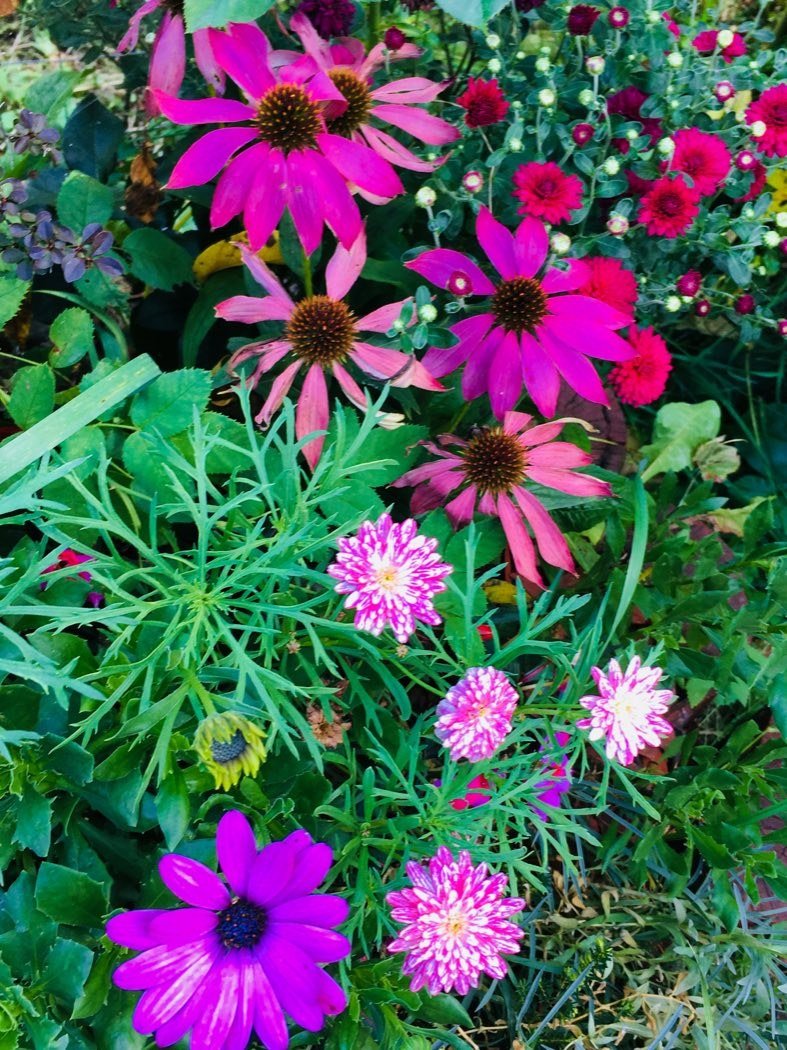
I remove faded flowers where I want to encourage new blooms and keep the beds tidy. On other plants I leave the seed heads. Echinacea, for example, keeps its seeds for the birds, and sometimes in spring I even find self-sown seedlings. I don’t clear everything at once: I look at each plant and decide what’s worth keeping through the winter.
03
Divide and move crowded perennials
Some perennials that have finished flowering can be divided in fall, while the soil is still warm. I look at very dense clumps or at those that flowered less, but I don’t assume crowding is the only cause. I also check the light, water and soil. If the weather is too wet or a plant seems sensitive to cold, I leave the dividing for spring.
04
Look for end-of-season perennials
At the end of summer I sometimes find discounted perennials at nurseries or in stores like Hornbach and Brico Dépôt. I choose healthy plants with well-developed roots and only put them in the ground if they still have time to settle in before the frost. A good discount isn’t worth it if the plant is weak or if the weather won’t give it time to adjust.
05
Get the bulbs ready for spring
In September I take care of daffodils and hyacinths. I leave tulips for later in the fall, while the soil can still be worked. I follow the instructions for each type of bulb; as a general rule, planting depth is about two to three times the bulb’s height. In a mountain garden I watch the weather, not just the date on the calendar.
06
Care for the soil and prepare the mulch
I spread well-rotted compost on the soil surface where it’s needed and get the mulching material ready. I top up the mulch when the soil is moist and the weather is cooling, without covering the plants’ crowns or piling material around the base of the stems. Mulch helps even out temperature swings and gradually improves the soil.
07
Repair thin patches in the lawn
September is one of the months when I can repair the gaps in the lawn: I clean up the damaged spots, add soil where needed and overseed. I keep mowing as long as the grass keeps growing, and I fertilize only if the lawn needs it. I wrote in more detail about what works in my garden, where three large dogs play, in the article “Fall lawn care with three large dogs”.
08
Check the plant before you prune
In fall I sometimes feel like tidying up everywhere, but with hydrangeas I stop before I pick up the pruners. Species that bloom on old wood can lose some of next year’s flowers after hard pruning. Other hydrangeas bloom on new growth and need different pruning. With clematis, the timing depends on the group they belong to. If I’m not sure of the species or the group, I avoid drastic pruning in September and check before I step in.
With roses, I adapt the pruning to the type of plant. I check climbers especially for long canes that the wind could snap; I tie them in or shorten them only as much as needed. I plan formative pruning separately, at the right time for each variety.
I also make a note of the roses I’d like to propagate from cuttings. I can try this method in fall, but I don’t rush the final planting: I move the cuttings only after they have well-formed roots.
09
Adjust watering to the weather
Cooler nights reduce evaporation, but that doesn’t mean every plant needs the same change. I check the soil before watering and water less often if it stays moist longer. I keep a separate eye on new plantings and on plants in pots, especially if September brings warm, dry days.
10
Get frost protection ready
I keep the frost cloth and other covers within reach for nights with an early frost. In the mountains, the first frost can come sooner than I expect. I use the same time to clean my tools, sharpen the pruners and store the ones I won’t need soon in a dry place.
11
Write down what you learned this season
With the garden still full of flowers, I write down what worked and what didn’t. I note the plant that grew more than I expected, the spot that stayed empty and the beds that looked beautiful in June but lost their rhythm by August. These notes help me more than vague memories when I start planning next spring.
A good start to fall
I choose what’s urgent for my garden: maybe a few patches of lawn, maybe the bulbs, maybe a perennial that needs moving. The rest finds its place in the warm days left in September.
What have you already started in your garden? Tell me in the comments which task is waiting for you next.
Photos from my garden
September in pictures
A few moments from the garden in Bran.