Plant profile
Sweet William
Dianthus barbatus
Clusters of color that come back on their own, get through Bran’s winters and bloom until the first frost.
Verified data
Tested in Bran
Agrosem seeds
Why it’s worth growing
A biennial that comes back on its own, year after year
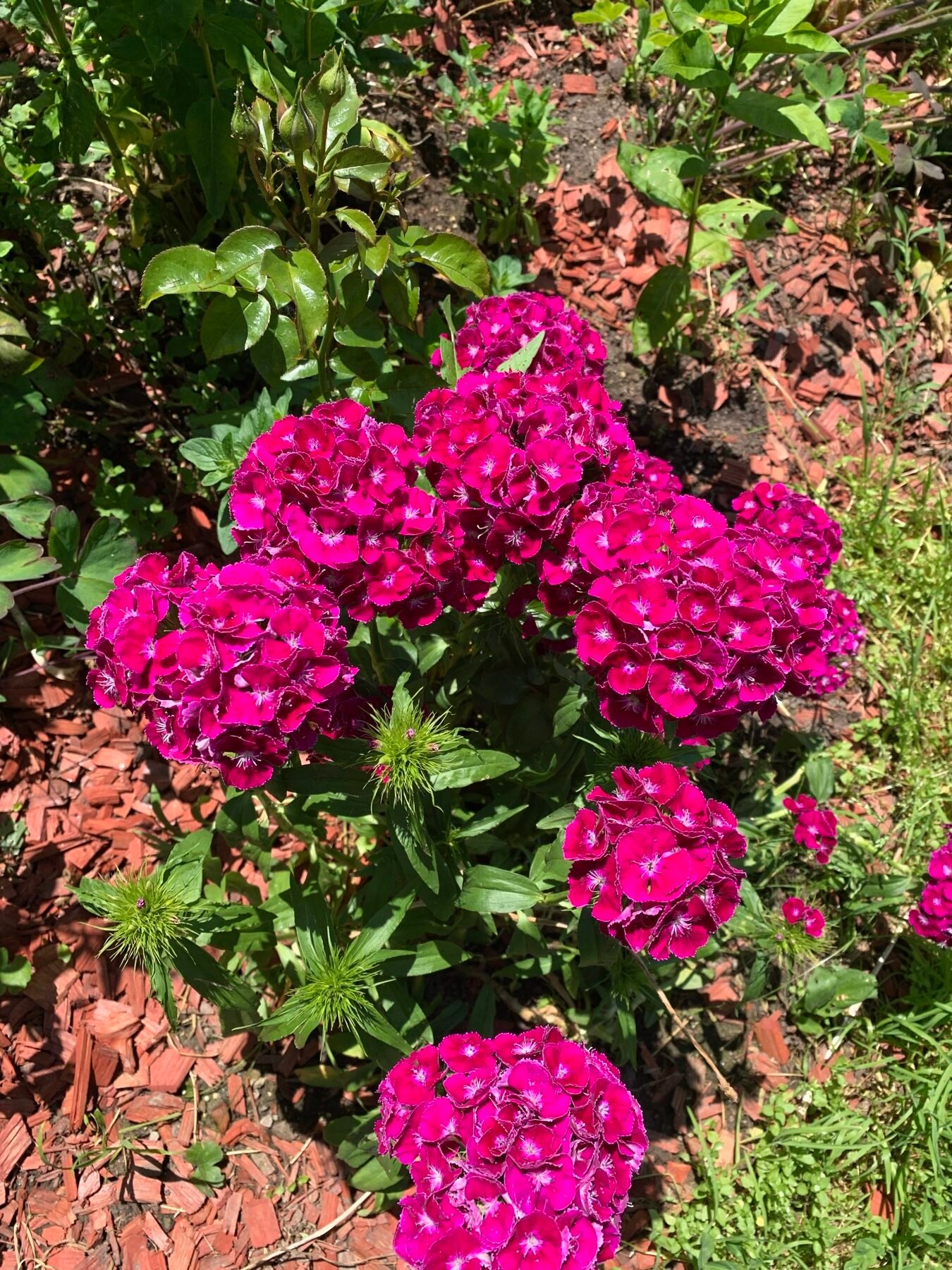
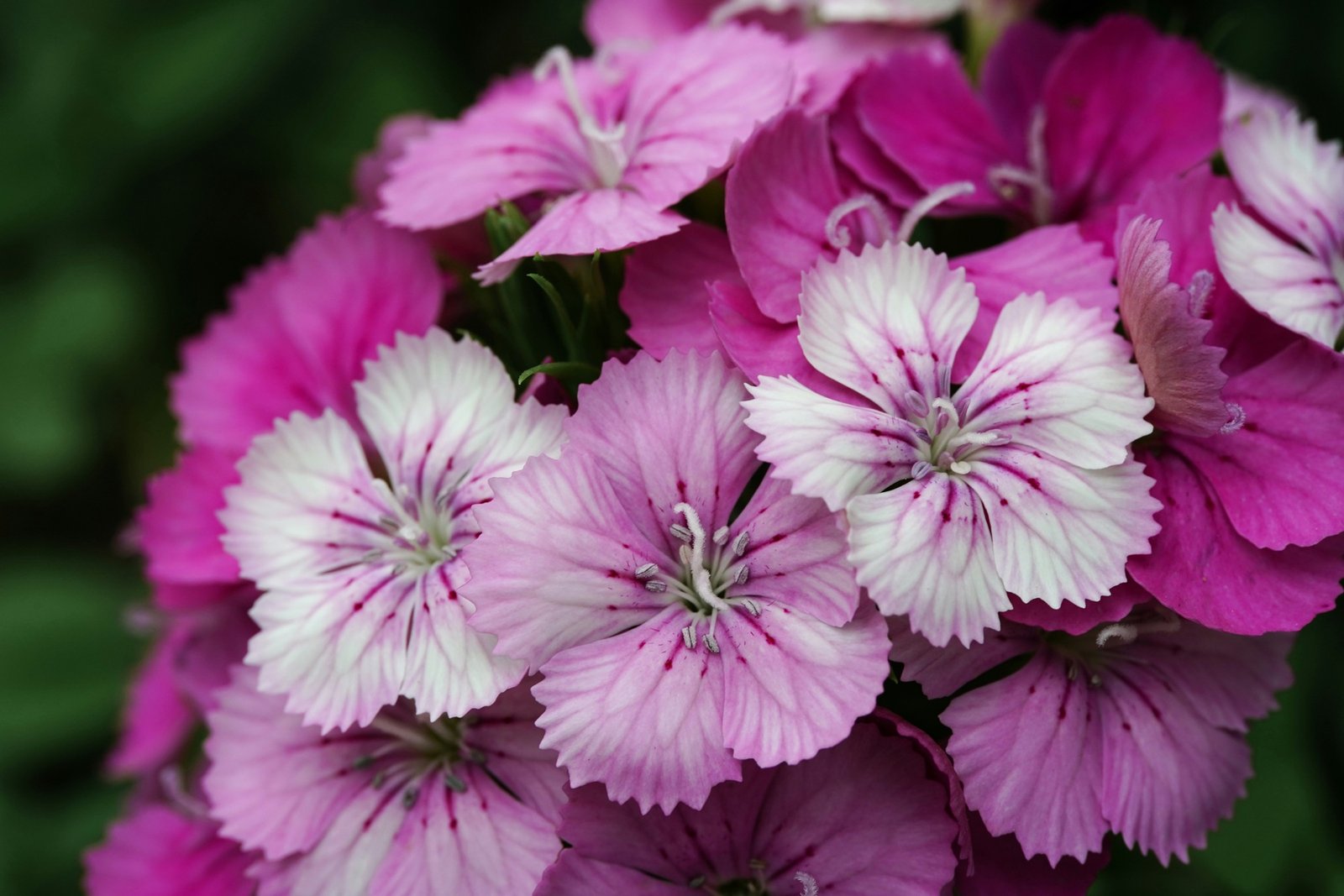
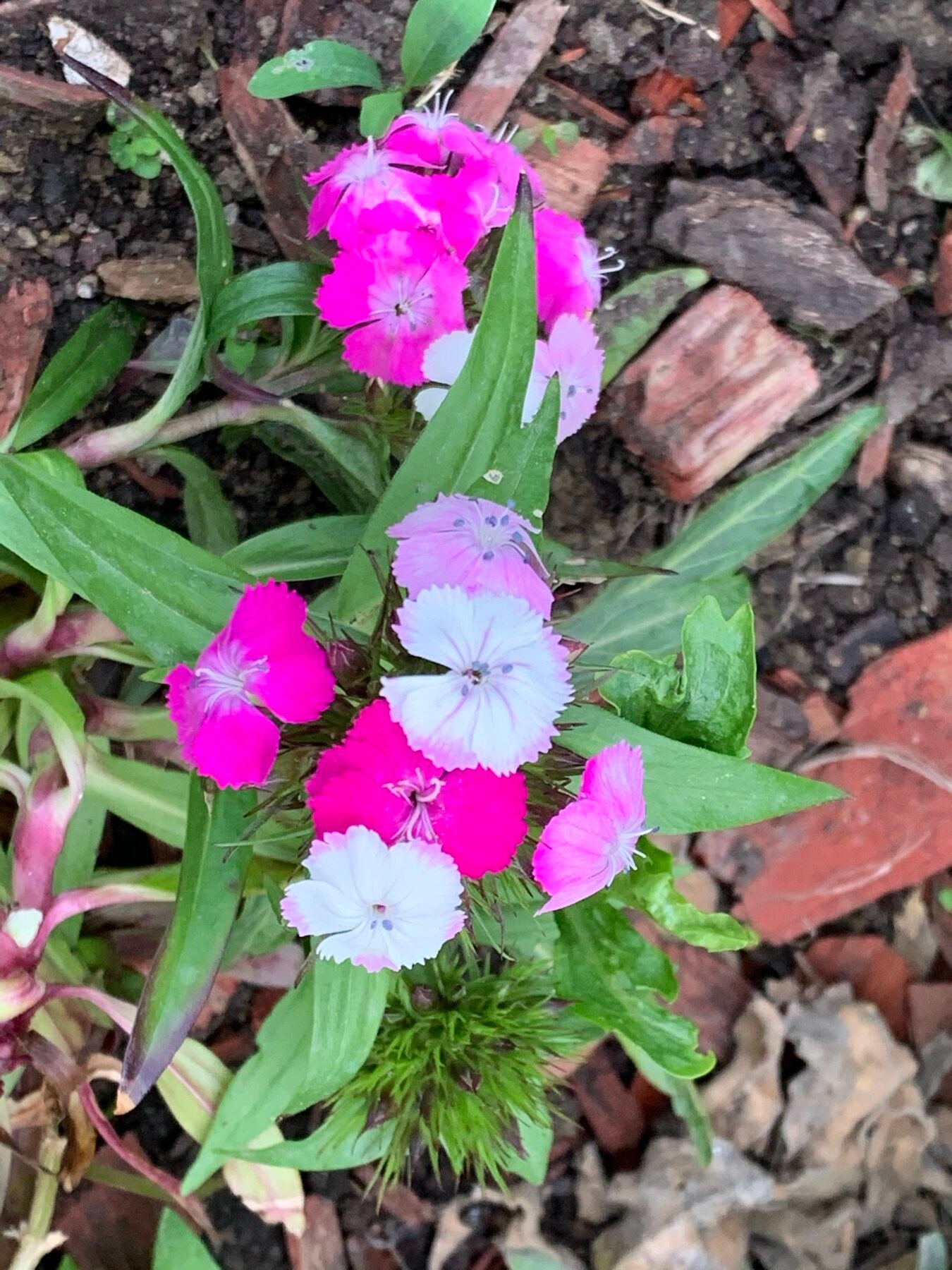
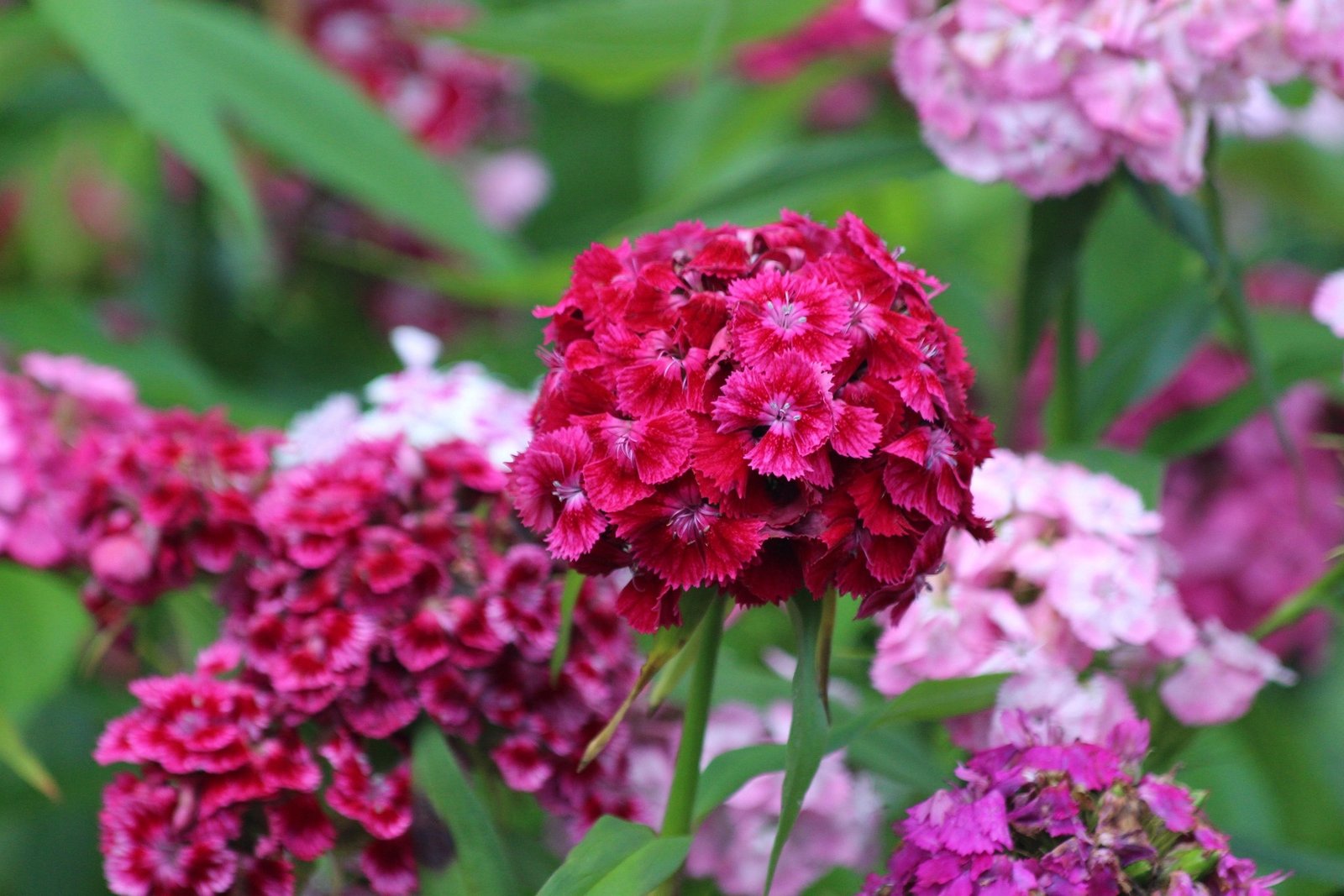
Sweet William forms dense, rounded clusters of velvety flowers in white, pink, red, burgundy and two-tone combinations. It brings color from early summer until late in the season and has the natural charm of a cottage garden.
I’ve grown it in my garden in Bran (Brașov County, Romania) for many years. The seedlings grow quickly, form vigorous rosettes and bloom the following year.
Keep in mind: in the local climate, the flowers appear from June–July and keep going until the first frost. I leave a few seed heads so the plant comes back on its own.
Standardized data
Quick facts
Botanical name
Dianthus barbatus
Common name
Sweet William / garden pinks
Seed source
Agrosem — mixed colors
Family
Caryophyllaceae
Type
Biennial / short-lived perennial
Origin
The mountains of Europe and parts of AsiaRomania is within its native range
Height
40–60 cm (16–24 in)
Spread
15–30 cm (6–12 in)
Exposure
Sun / part shadeIn Bran: grows best in part shade
Soil
Loamy or sandy, well-drained
Moisture
Moderate, no standing water
pH
Neutral; tolerates slight variation
Hardiness
RHS H7 / USDA 3–9
Bloom
June/July–first frost in Bran
Color
White, pink, red, burgundy, two-tone
Pollinators
Bees, butterflies and moths
Toxicity
Low; may irritate sensitive skin
Self-seeding
Frequent and reliable
Containers
Yes
Cut flowers
Yes
Guide calendar
Sowing: quick rosettes, flowers the following year
The RHS recommends sowing in late spring, and my experience in Bran shows the seedlings develop quickly and overwinter well before their first bloom.
| Task | Jan | Feb | Mar | Apr | May | Jun | Jul | Aug | Sep | Oct | Nov | Dec |
|---|---|---|---|---|---|---|---|---|---|---|---|---|
| Sowing in trays | ● | ● | ● | |||||||||
| Direct sowing | ● | ● | ● | |||||||||
| Planting / thinning | ● | ● | ● | |||||||||
| Bloom, the following year | ● | ● | ● | ● | ● |
I use Agrosem seed packets. After they come up, I thin or move the rosettes, and the young plants stay in the garden over winter. Most of them bloom the following summer.
Growing in cold areas
An excellent profile for the mountains
The RHS rates Dianthus barbatus H7. In my garden it has proven that winter after winter, and it self-seeds every year.
Local climate assessment
Winter hardiness
★★★★★
Cool summers
★★★★★
Part shade
★★★★★
Self-seeding
★★★★★
Waterlogged soil
★☆☆☆☆
Observed at 770 m (2,500 ft)
The plants in my garden come through Bran’s winters well and reappear from volunteer seedlings, season after season.
In my garden
My experience — Bran, Romania
I’ve grown them in the garden for many years. The seedlings quickly form healthy rosettes that I can move wherever a bed needs color.
| Seed source | Agrosem |
| Sowing | May–July |
| First bloom | The following year |
| Local season | June/July–first frost |
| Overwintering | Very good |
| Self-seeding | Frequent |
Bloom rhythm
From summer until the first frost
In Bran, the flower clusters open from June–July and keep going until the first frost. Selectively removing spent flower heads extends the show.
Local calendar: June–October
J
F
M
A
M
J
J
A
S
O
N
D
Start:
usually June–July, depending on the spring
Continuity:
until the first frost, with spent flowers removed
For seeds:
I let a few clusters form ripe capsules
Spring
Thin the rosettes
Spot the volunteer seedlings, move them where needed and leave room for airflow.
Summer
Water and tidy flowers
Water moderately at the base and selectively remove spent clusters to keep the blooms coming.
Fall
Leave some seeds
Keep a few capsules until they ripen; volunteer seedlings keep the plant going.
Winter
Drainage above all
The rosettes are hardy, but the soil has to shed water to prevent crown rot.
Visual guide
Light, soil and water
It handles sun too, but for me it grows most beautifully and blooms more in part shade.
☀ Light
⌁ Moisture
♧ Soil
Loamy or sandy
Rich in organic matter
Moist but well-drained
Good airflow between plants
Propagation
Seeds, quick seedlings and plenty of continuity
For a biennial, the key to a permanent presence is simple: successive sowings and a few flower heads left to set seed.
Agrosem seeds
I sow in late spring and summer, on the surface, in a fine, moist mix.
● Easy
Self-seeding
The most natural method. I thin or move the young rosettes once they’re easy to handle.
● Very reliable
Transplanting rosettes
The seedlings grow fast and transplant well while young, before the cold sets in.
● Easy
Biodiversity and plant health
Flowers for bees and butterflies
The flowers are visited by bees, butterflies and moths. The plant has low toxicity if swallowed and can cause minor irritation in sensitive people.
Value for the garden
Bees
★★★★★
Butterflies and moths
★★★★☆
Cut flowers
★★★★★
Cottage garden
★★★★★
Risks and problems
🟢 Usual cautionIt’s not a food plant. If you have sensitive skin, wear gloves when cutting or handling it.
Slugs
They can attack seedlings and young rosettes.
Powdery mildew and rust
They appear more easily when plants are crowded and the foliage is wet.
Aphids
They can show up on tender shoots and flower stems.
Prevention: airflow, watering at the base, good drainage and removing diseased leaves.
Companion planting
What I pair them with in the garden
Part-shade plants and perennials with different textures that set off the colorful clusters without smothering them.
Visual journal
Sweet William — colors and forms
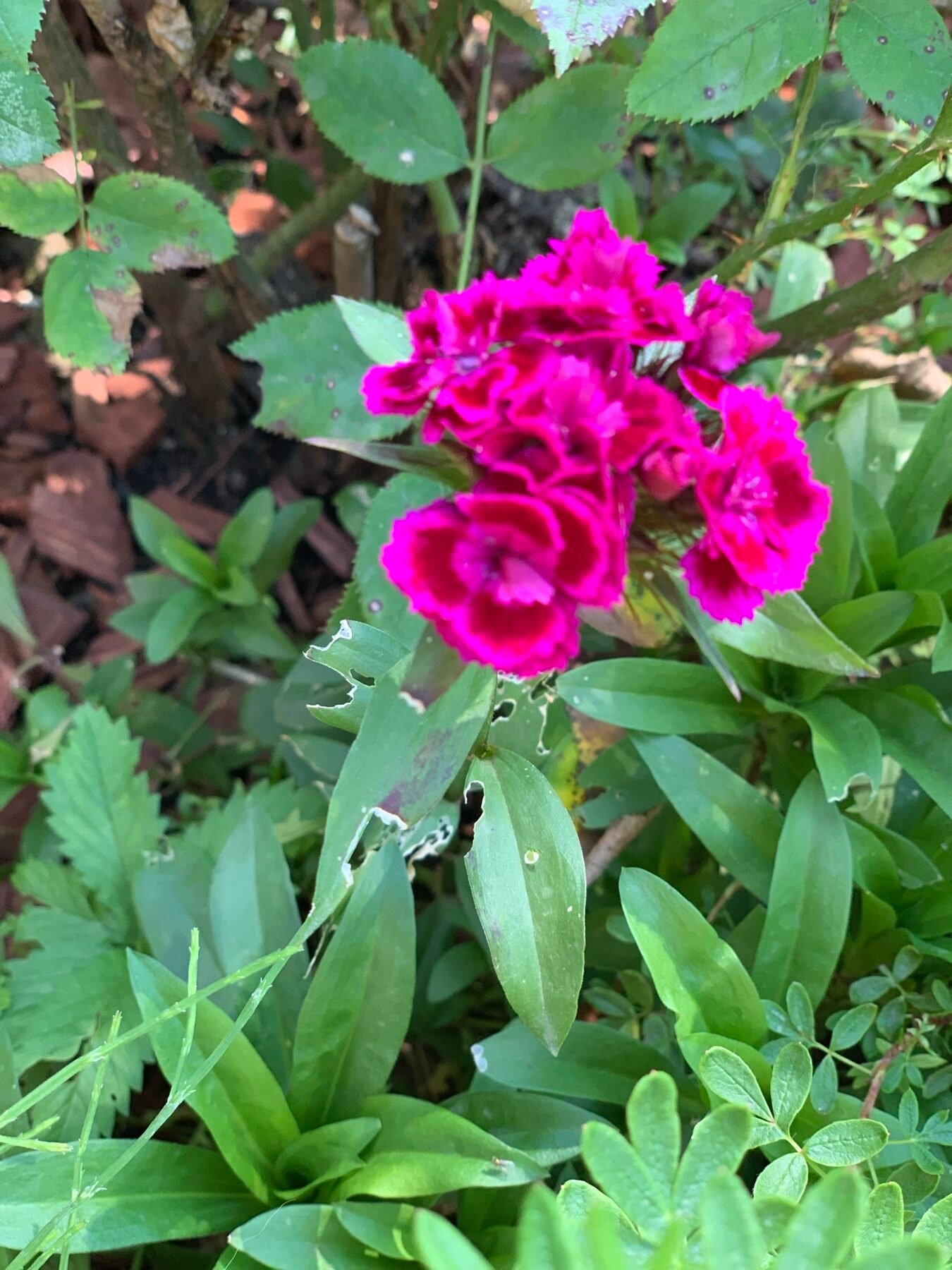
The gallery brings together two-tone flower heads, dense clusters and plants photographed in my garden in Bran.
Rosette
Buds
Bloom
Two-tone
Burgundy
Seeds