Plant profile
Foxglove
Digitalis purpurea · Foxglove
Painted bells on tall spires — a summer show for part shade and a magnet for bumblebees.
Verified data
Photographed in Bran
Being tested
Why it’s worth growing
Vertical, romantic and impossible to ignore
Foxglove brings sculptural spires to part-shade beds, loaded with tubular flowers speckled inside like tiny stained-glass windows. Among soft foliage, ferns and woodland plants, it instantly creates rhythm and height.
The classic species is usually a biennial or short-lived perennial: it forms a rosette of leaves in the first year, then blooms and can self-seed. Bumblebees crawl deep into the bells for nectar, and the spots inside mark their way.
Keep in mind: it prefers soil rich in organic matter, moist but well-drained, and a spot sheltered from winds that can flatten the tall spires.
⚠ A highly toxic plant
All parts contain cardiac glycosides. Do not eat it or use it for teas or remedies. Wear gloves when handling the plants and seeds, and keep the plant away from children and pets.
Standardized data
Quick facts
Botanical name
Digitalis purpurea
Common name
Foxglove
Family
Plantaginaceae
Type
Biennial / short-lived perennial
Origin
W and SW Europe to N Morocco
Height
Usually 100–200 cm (3–6.5 ft)The RHS gives up to 1.5–2.5 m (5–8 ft) in good conditions
Spread
10–50 cm (4–20 in)
Exposure
Part shade / sun
Soil
Loamy, rich in humus, well-drained
Moisture
Moist, no standing water
pH
Acid – neutral – alkaline
Hardiness
RHS H7
Bloom
June–September
Color
Purple, pink, apricot, white
Pollinators
Bumblebees and bees
Toxicity
High — all parts
Self-seeding
Frequent
Containers
Yes, large and stable
Cut flowers
Yes, with gloves
Guide calendar
Sowing: the first year builds the rosette
| Task | Jan | Feb | Mar | Apr | May | Jun | Jul | Aug | Sep | Oct | Nov | Dec |
|---|---|---|---|---|---|---|---|---|---|---|---|---|
| Sowing in trays | ● | ● | ||||||||||
| Direct sowing | ● | ● | ||||||||||
| Planting out | ● | ● | ||||||||||
| Bloom, the following year | ● | ● | ● | ● |
The RHS recommends sowing directly or in trays in late spring and planting out toward the end of summer. Small seedlings can be kept protected over their first winter and planted out in spring.
Growing in cold areas
A promising profile for the mountains
The RHS rates Digitalis purpurea H7. That supports using it in cold climates, and in Bran (Brașov County, Romania) I keep separate track of how each plant does.
Initial climate assessment
Winter hardiness
★★★★★
Cool summers
★★★★★
Part shade
★★★★★
Strong wind
★★☆☆☆
Waterlogged soil
★☆☆☆☆
Photographed in my garden, at 770 m (2,500 ft)
The plants shown were photographed in my garden, at 770 m. Every year I note how they overwinter.
In my garden
My experience — Bran, Romania
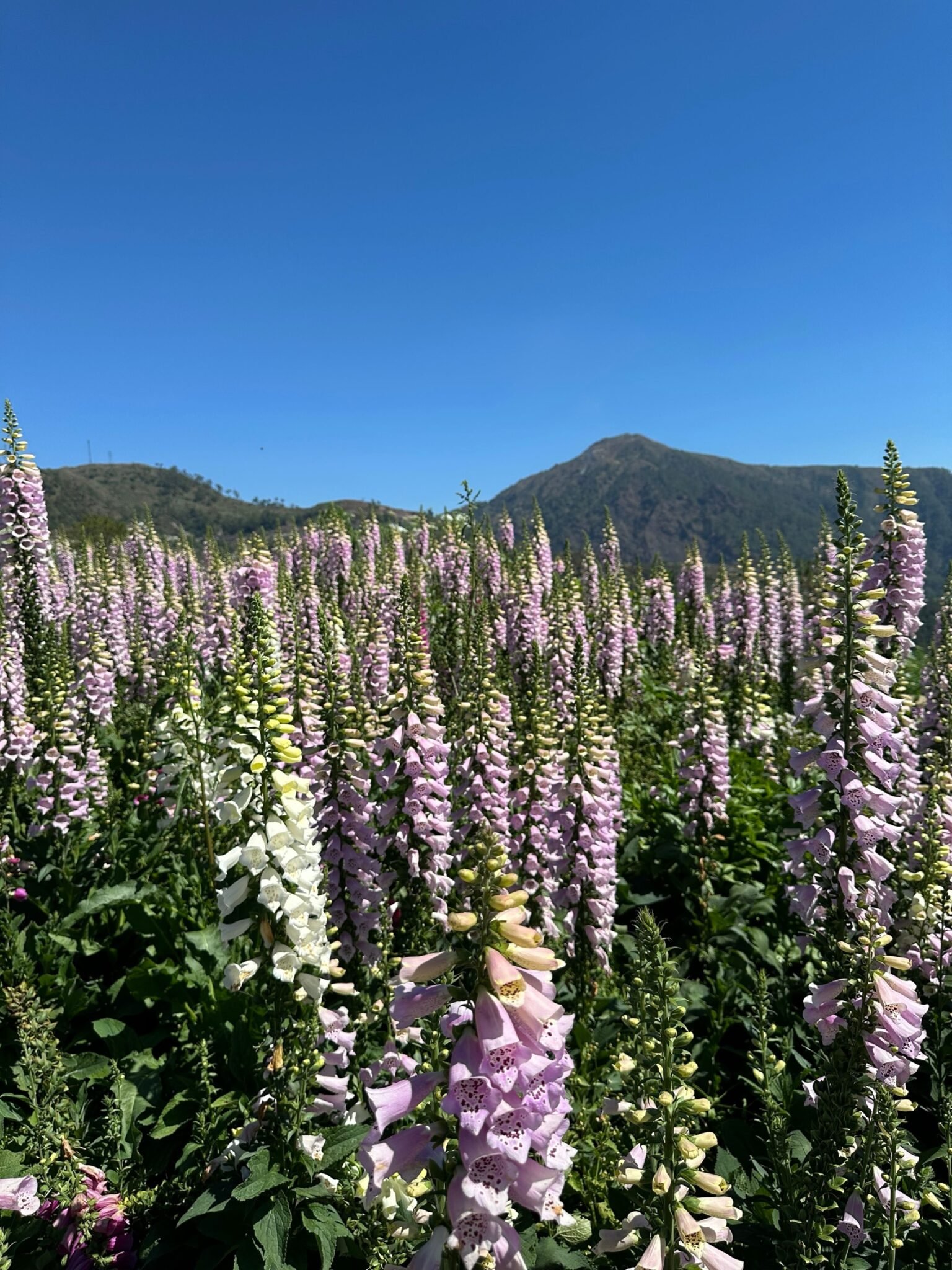
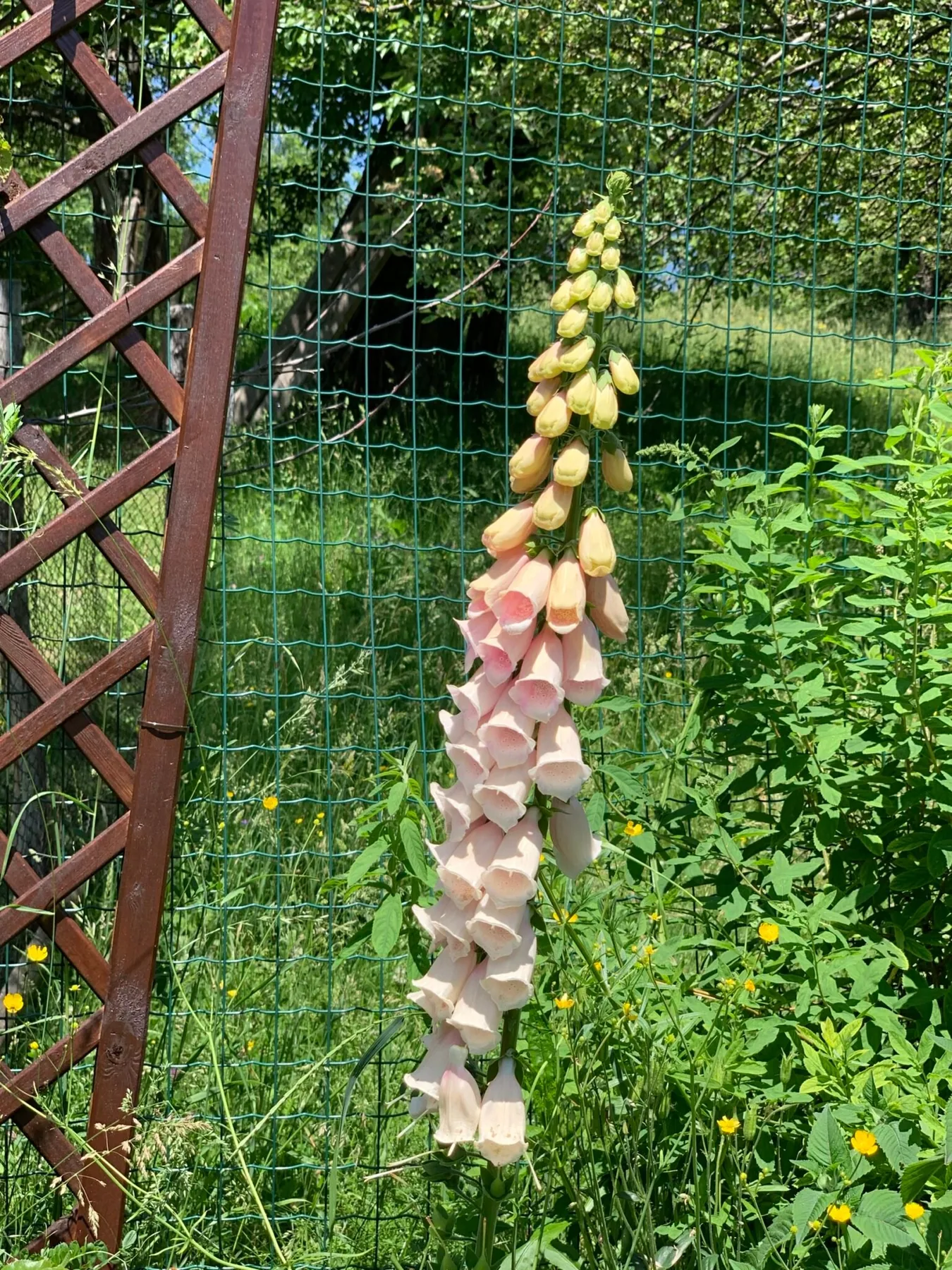
At least two color forms show up in the garden: an intense pinkish purple with a heavily spotted throat, and a pale form in apricot tones. I don’t know the exact variety names yet, and I don’t want to guess them from photos.
| Plants photographed | Pink + apricot |
Bloom rhythm
From the lowest bells to the tip of the spire
Kew gives the usual bloom time as June to September. In Bran I note when they bloom, to see how much the cold springs delay them.
General calendar: June–September
J
F
M
A
M
J
J
A
S
O
N
D
The species:
the flowers open gradually from the base of the spire upward
Pollination:
bumblebees are the typical visitors
In Bran:
I’ll fill this in after next summer
Spring
Cleanup and compost
Remove damaged leaves and add compost around the rosette, without covering the center.
Summer
Water and support
Keep the soil moist and stake the spires in exposed spots. Water at the base.
After bloom
Seeds or energy
Cut the spire if you don’t want self-seeding; keep a few seed capsules for continuity.
Winter
Protect small seedlings
Avoid standing water; very young rosettes can overwinter in pots, safe from slugs.
Visual guide
Light, soil and water
Foxglove is an excellent choice for the bright edge of a woodland area or for beds that get sun only part of the day.
☀ Light
⌁ Moisture
♧ Soil
Loamy, rich in humus
Moist but well-drained
Tolerates clay, sand and chalk
Sheltered, for the tall spires
Propagation
The most natural route: from seed
Keeping a few spires with ripe capsules lets the plant carry on, which matters for a biennial or short-lived species.
Seeds
The recommended method. Sow on the surface in late spring and keep the mix evenly moist.
● Easy
Self-seeding
Let a few capsules ripen, then thin the rosettes to keep 30–35 cm (12–14 in) between plants.
● Very natural
Division
Not the main method for Digitalis purpurea, which usually behaves as a biennial.
● Not recommended as the main method
Biodiversity and safety
Loved by bumblebees, dangerous if swallowed
Kew and the RHS confirm both its value for pollinators and its severe toxicity. The plant’s beauty calls for simple, firm handling rules.
Value for wildlife
Bumblebees
★★★★★
Bees
★★★★☆
Cottage garden
★★★★★
Part-shade beds
★★★★★
Risks and problems
🔴 High toxicityCardiac glycosides are present in the leaves, flowers, roots and stems. Swallowing it can cause digestive and heart-rhythm problems and can be fatal. Don’t make home remedies.
Slugs
They go for seedlings and young rosettes.
Powdery mildew and leaf spots
They appear more easily with poor airflow.
Aphids
They can colonize the flower spires.
Handling: wear gloves when sowing, cutting and collecting seeds; wash your hands and tools afterward.
Companion planting
What I pair it with in the garden
Soft textures and part-shade plants that let the foxglove spire remain the vertical focus of the planting.
Aquilegia
Geranium
Hosta
Astilbe
Ferns
Campanula
Visual journal
Foxglove — flowers and seedling stages
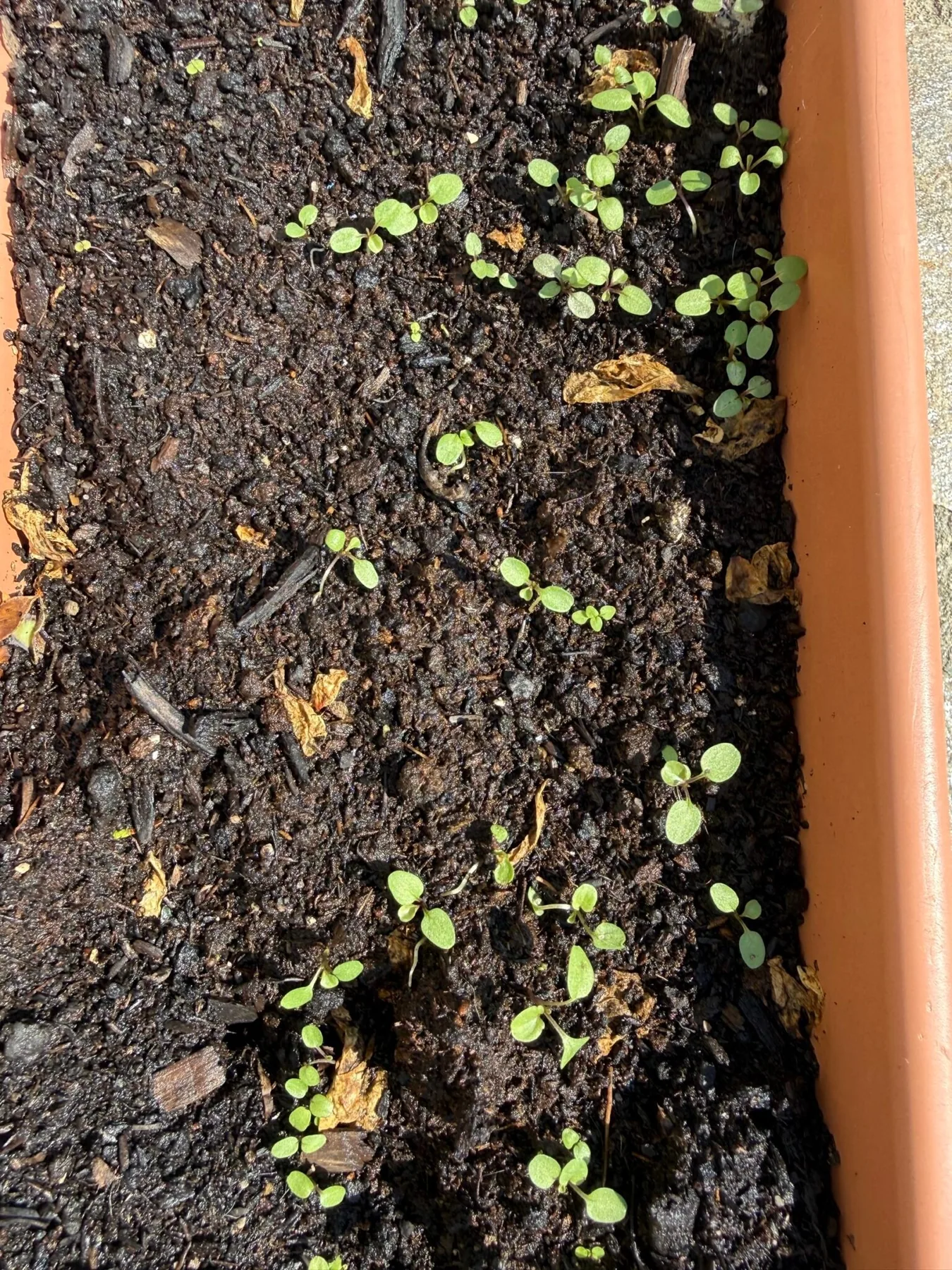
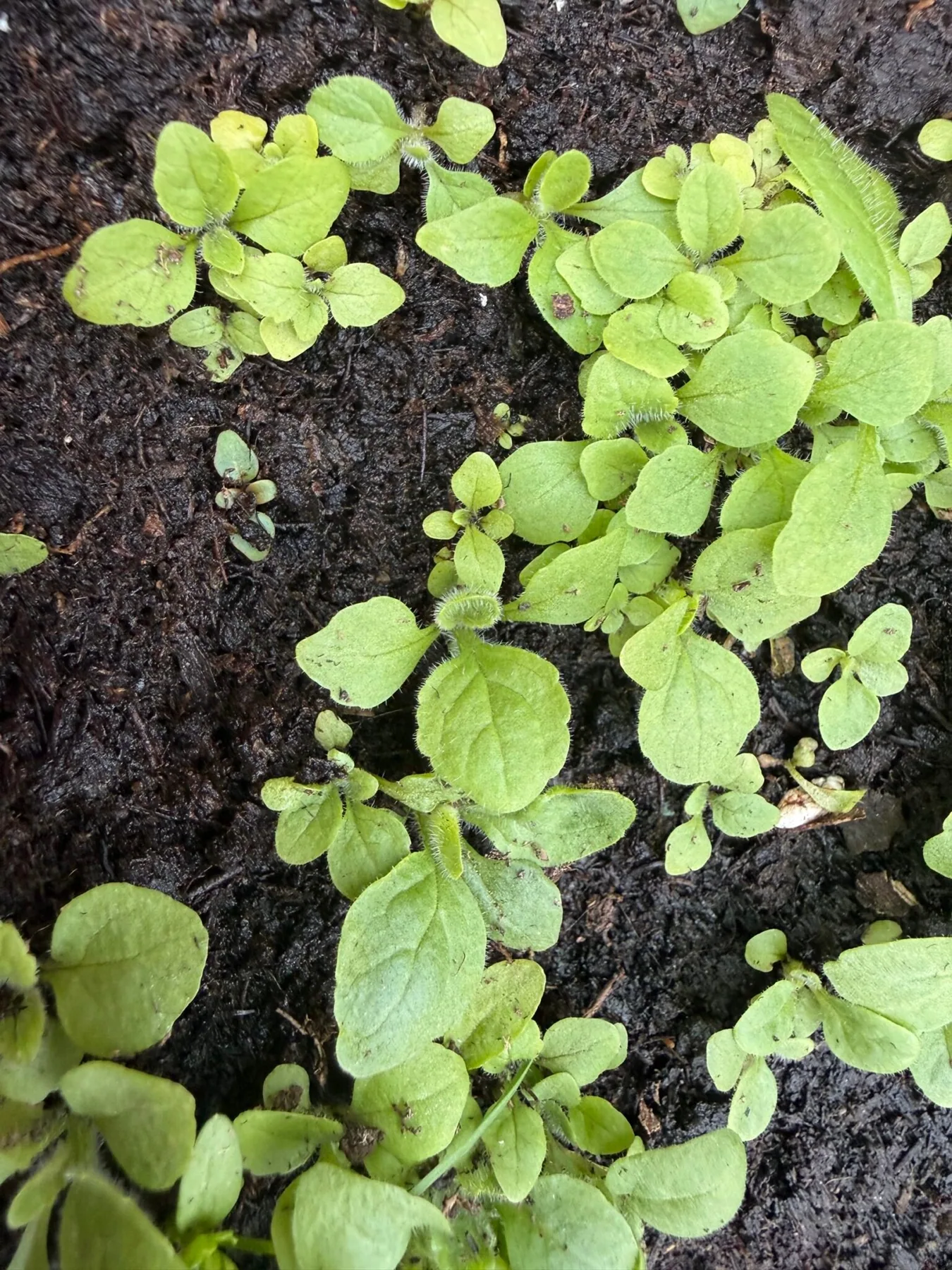
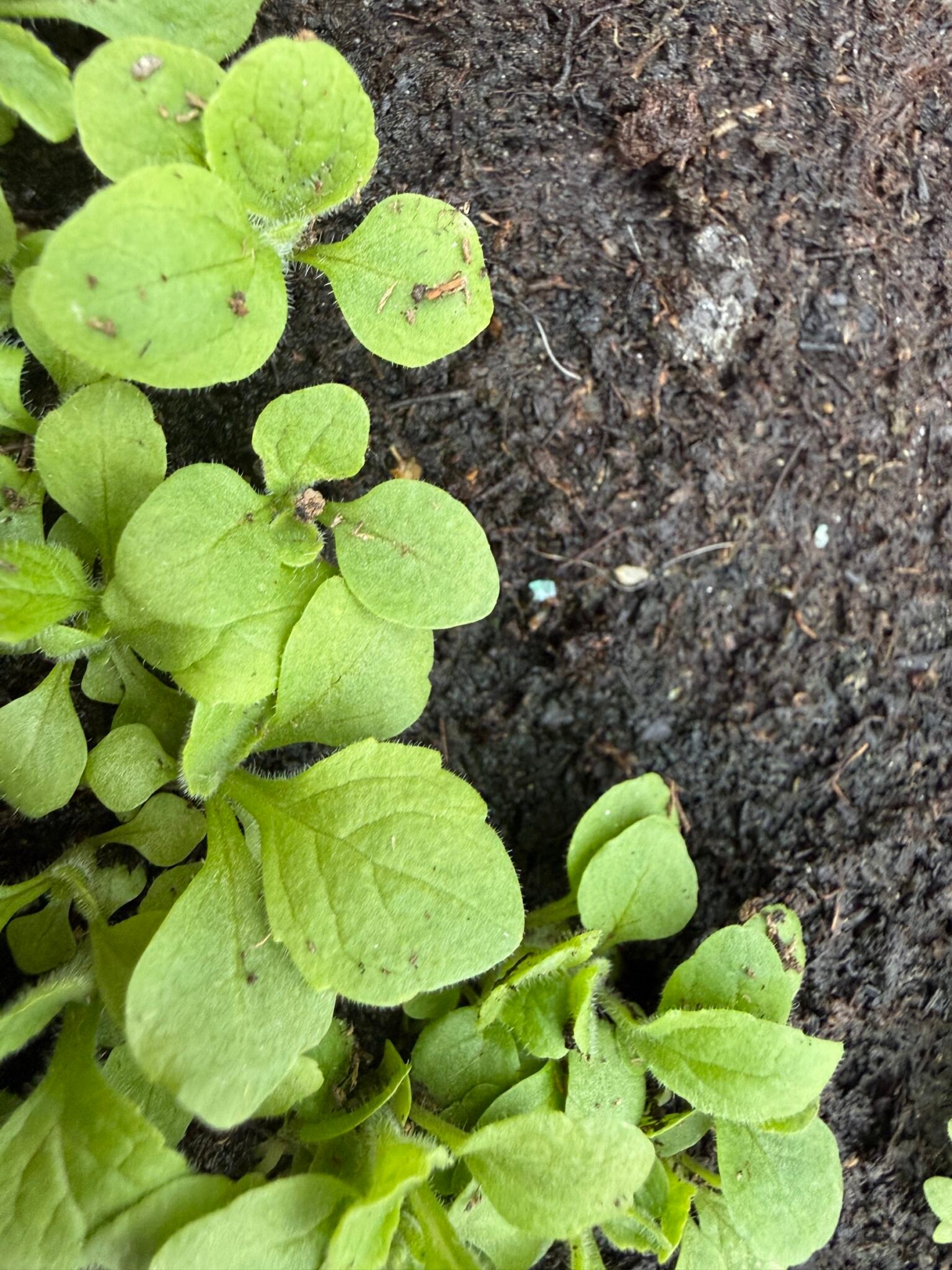
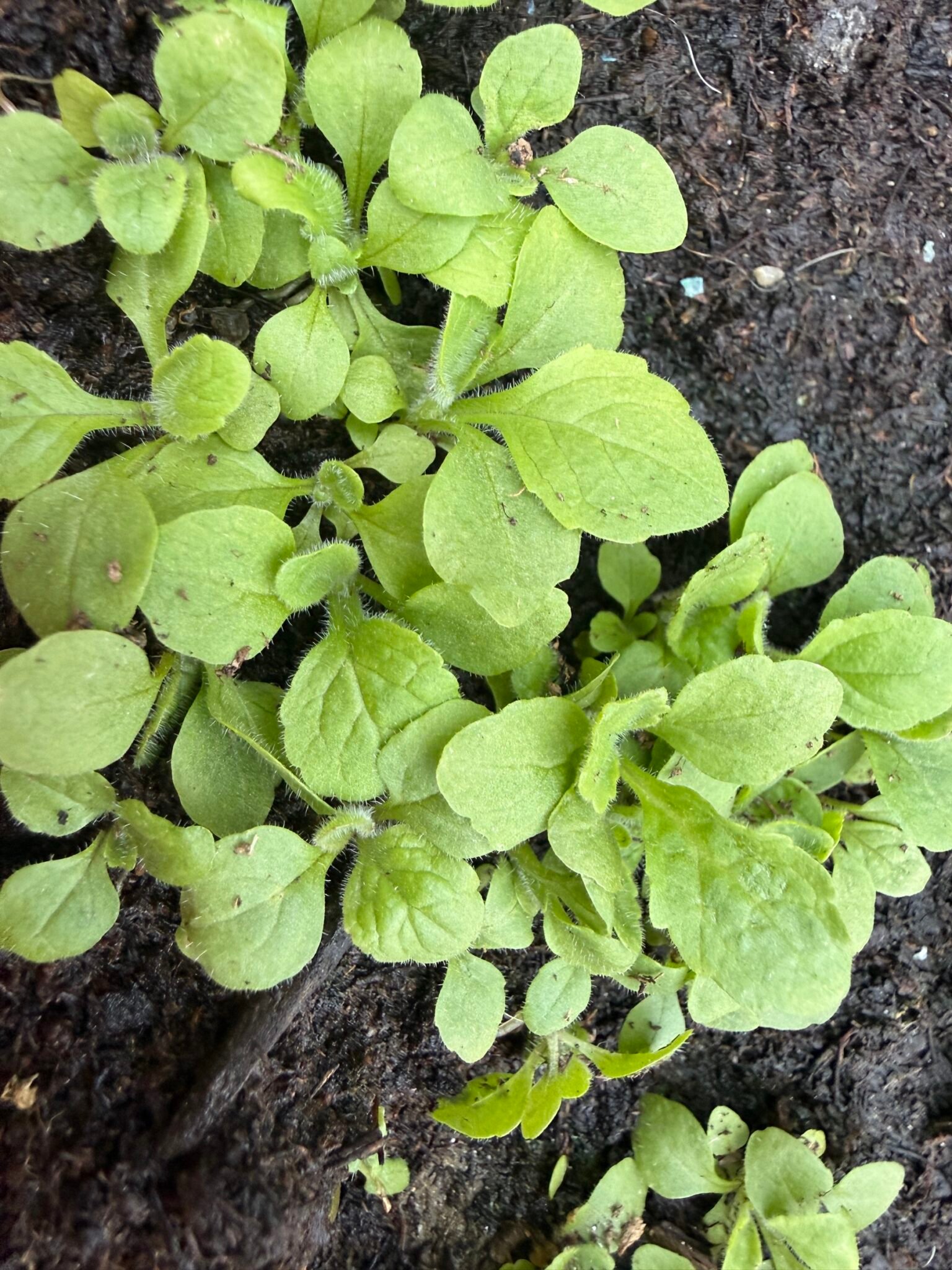
The gallery starts with the variety of flowers and continues with the foxglove seedlings photographed in Bran, from germination to young rosettes.
Seeds
Seedling
Rosette
Bloom
Pink flower
Apricot flower