
Plant profile
Echinacea
Echinacea purpurea
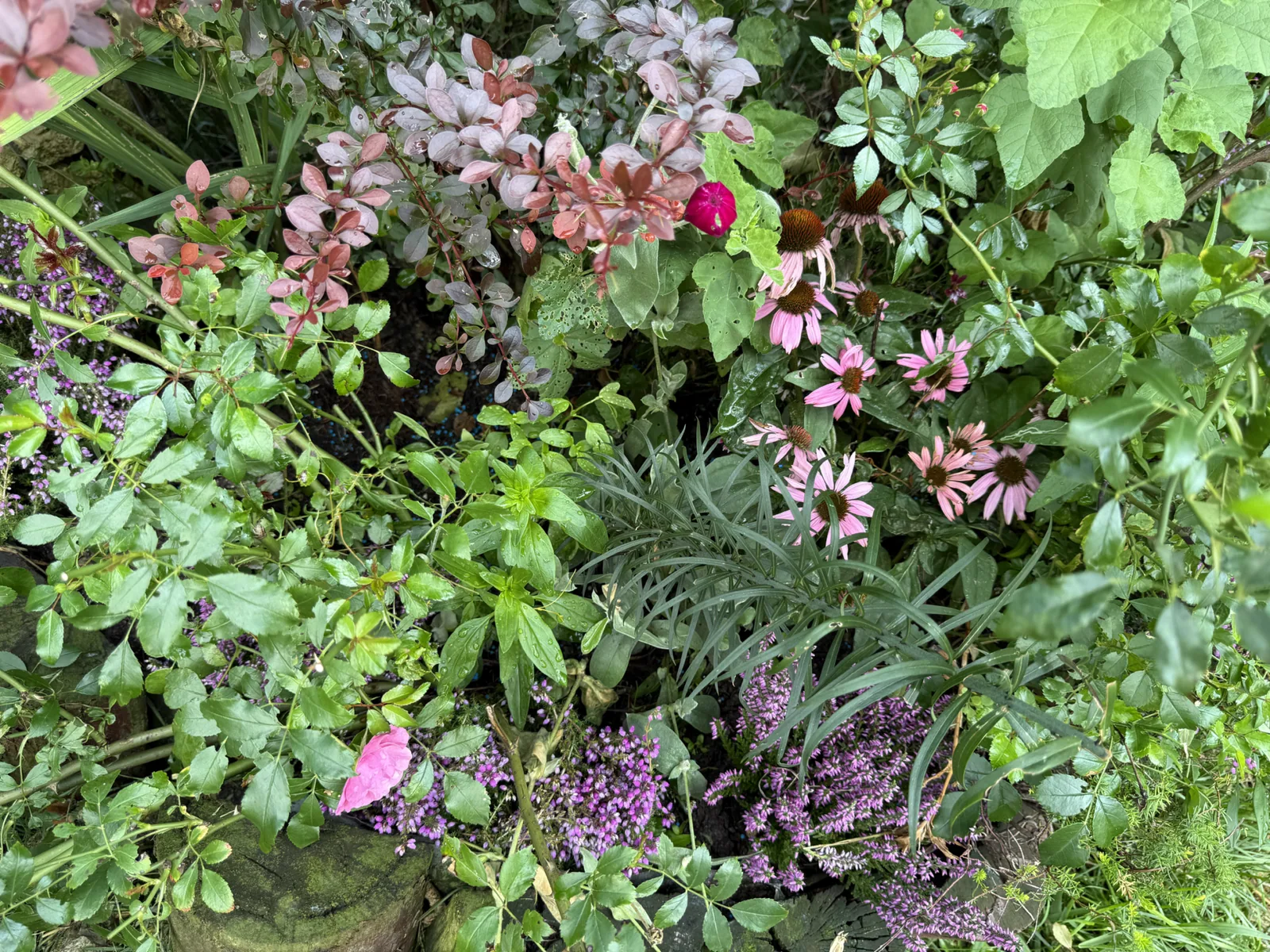
Echinacea is one of the best-loved plants in my garden.
Data from sources
Bran observations
Why it’s worth growing
A vibrant, drought-tolerant flower and a magnet for pollinators.
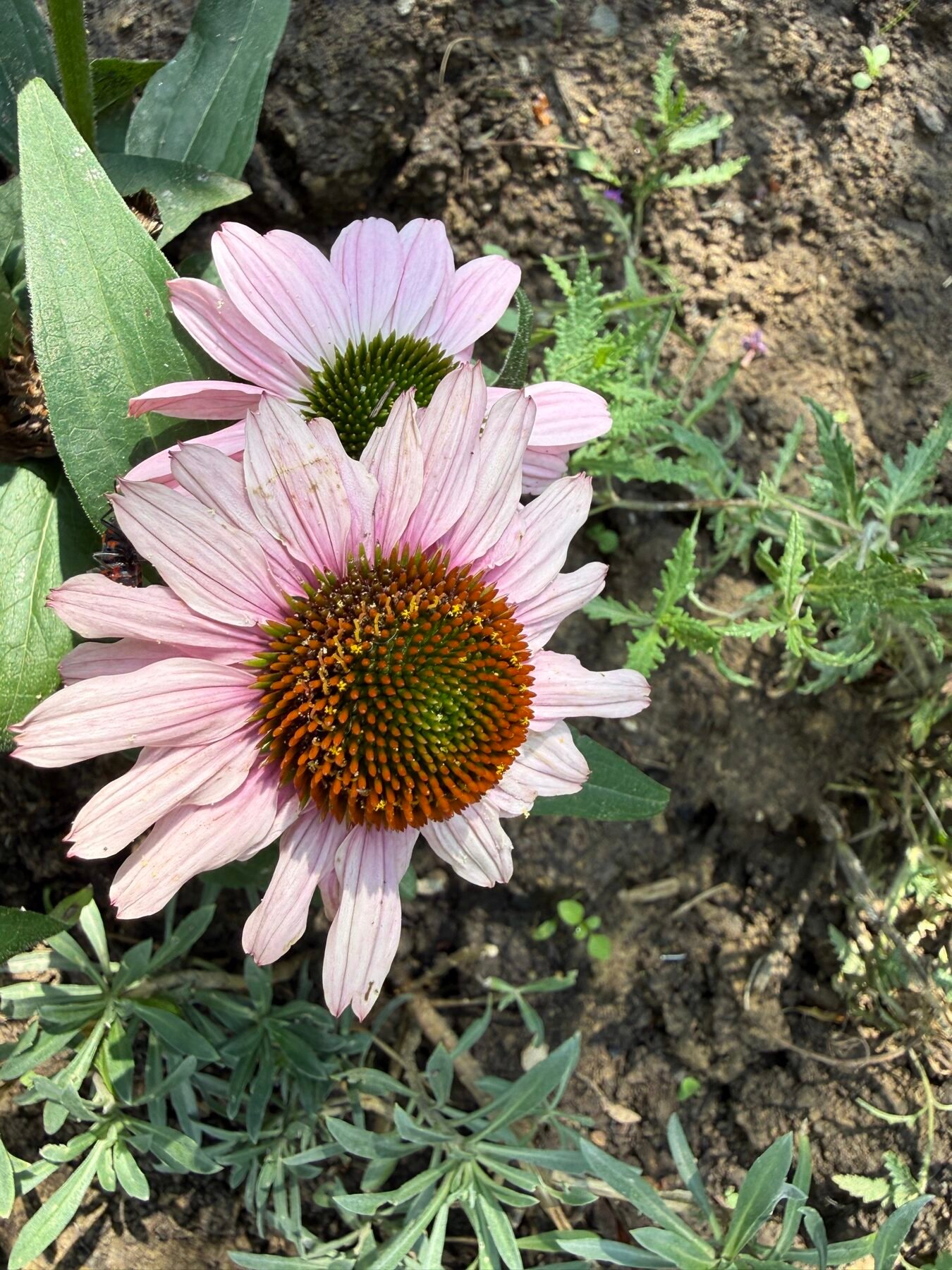
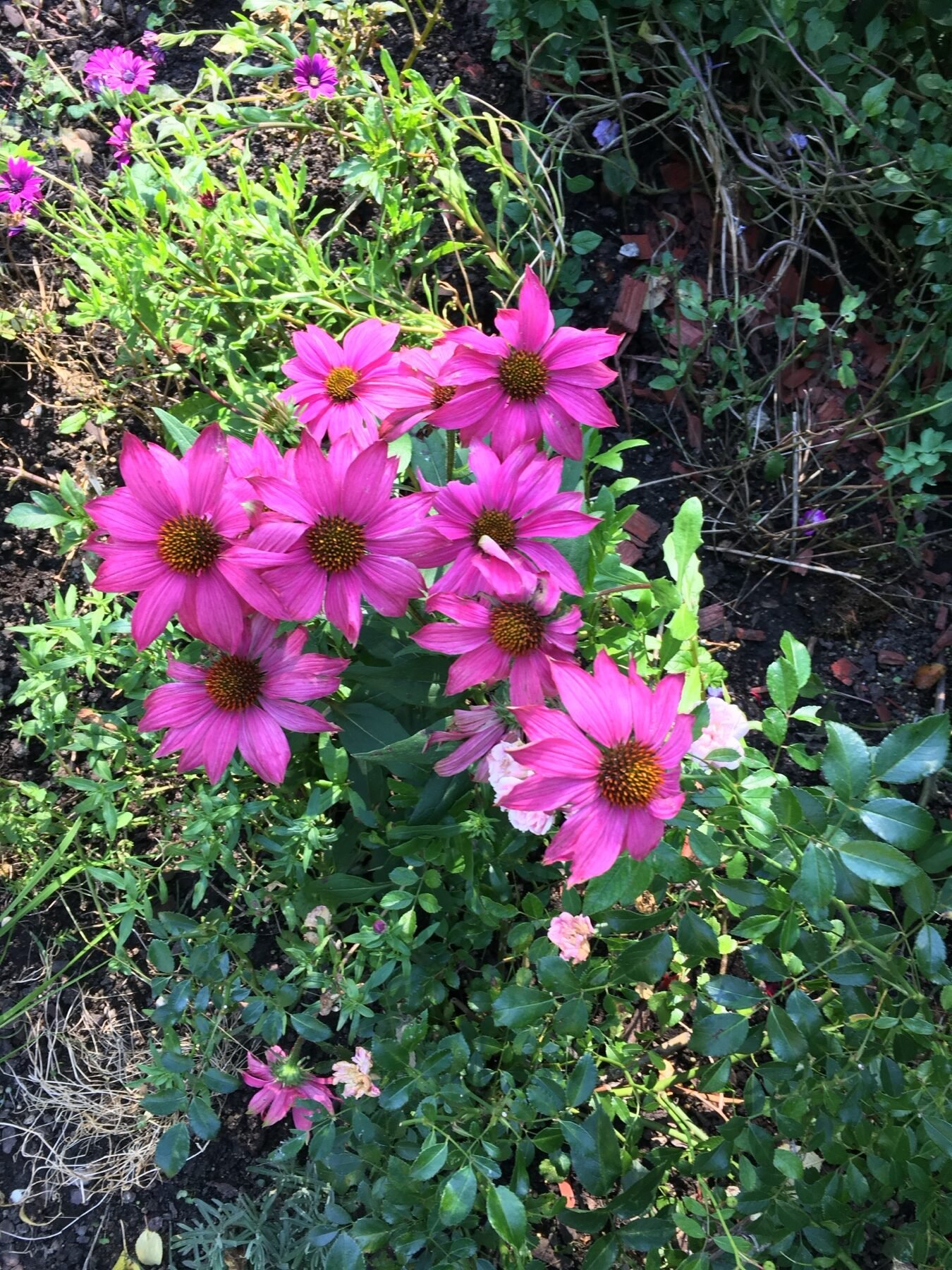
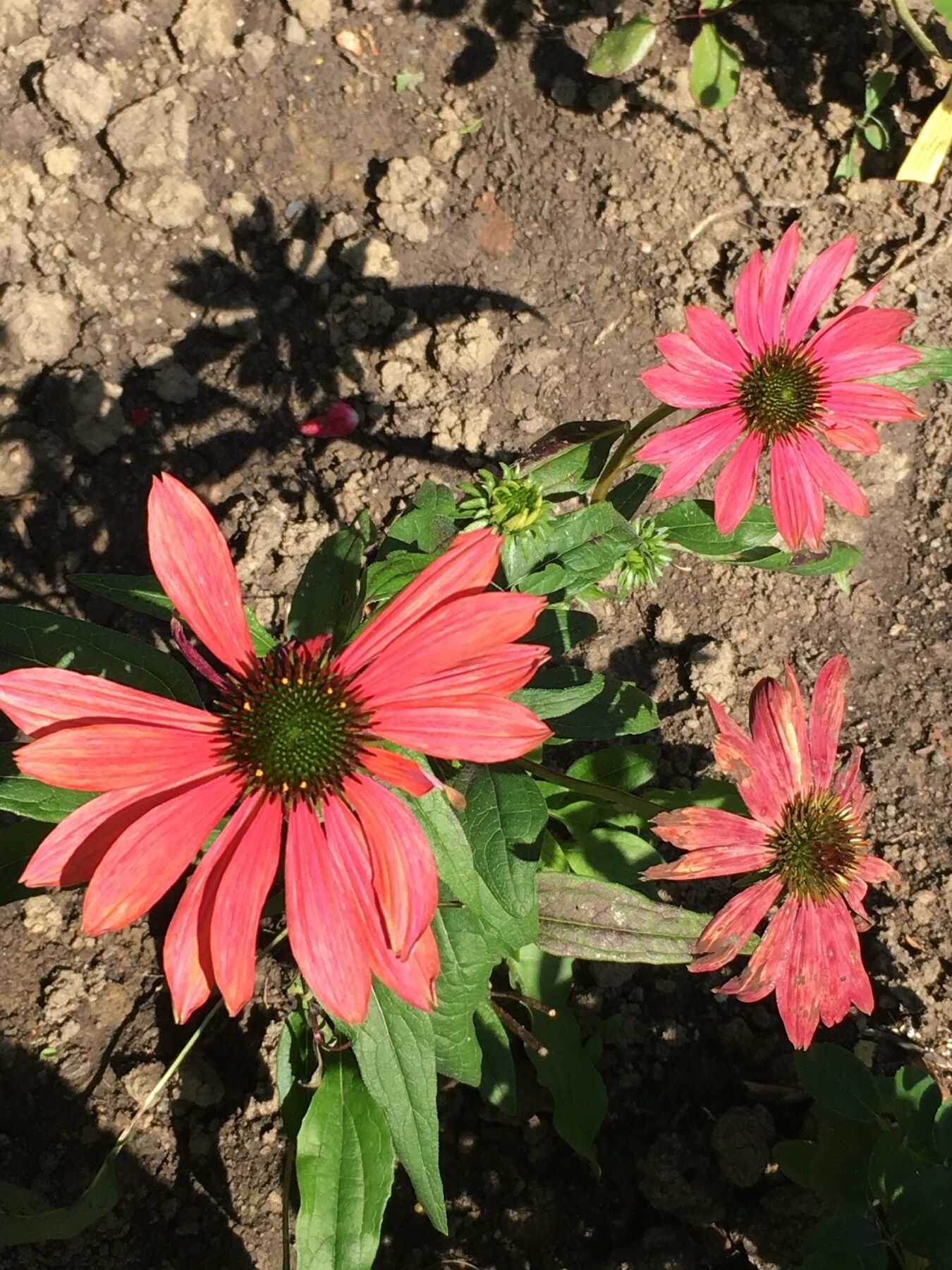
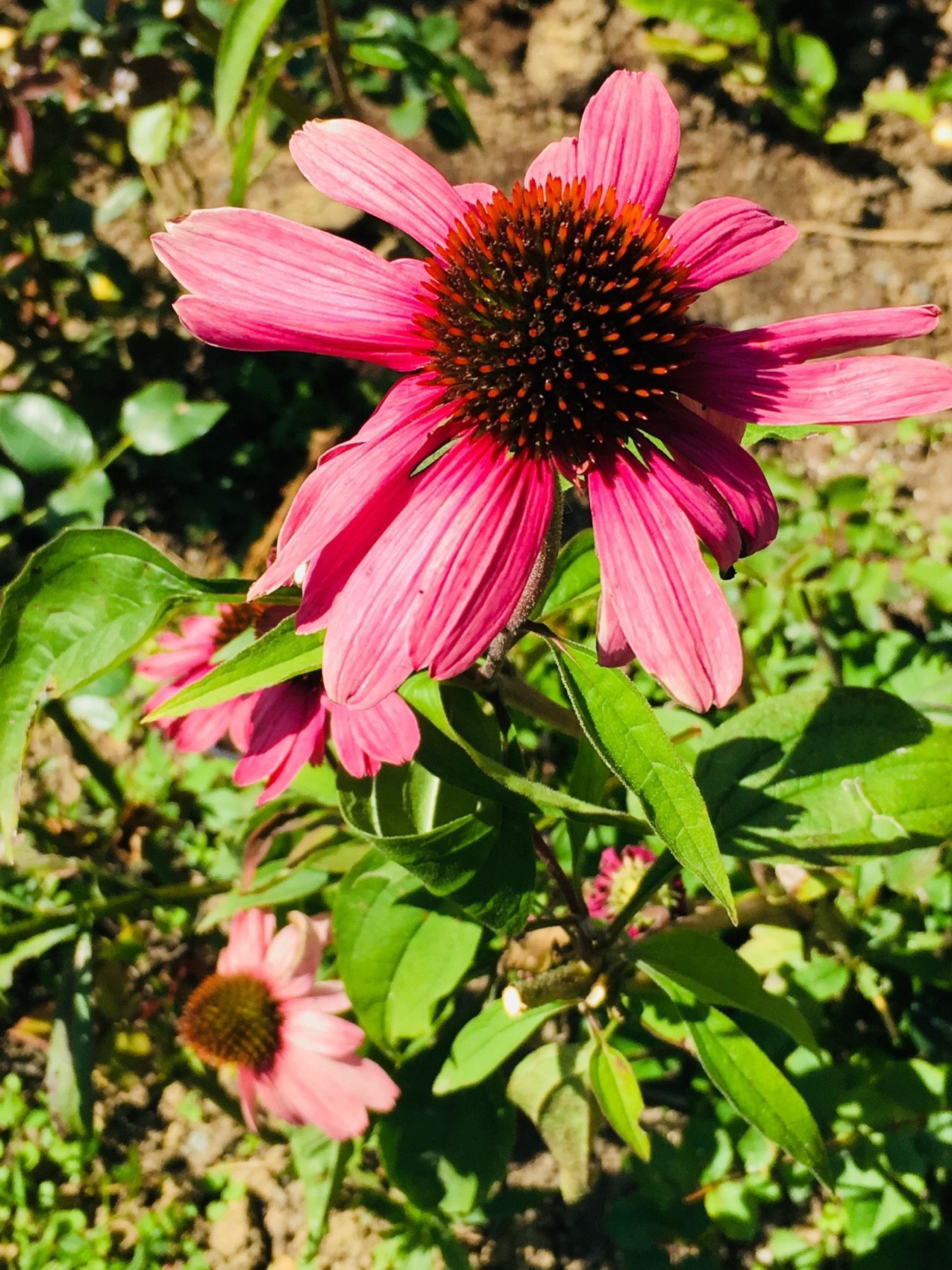
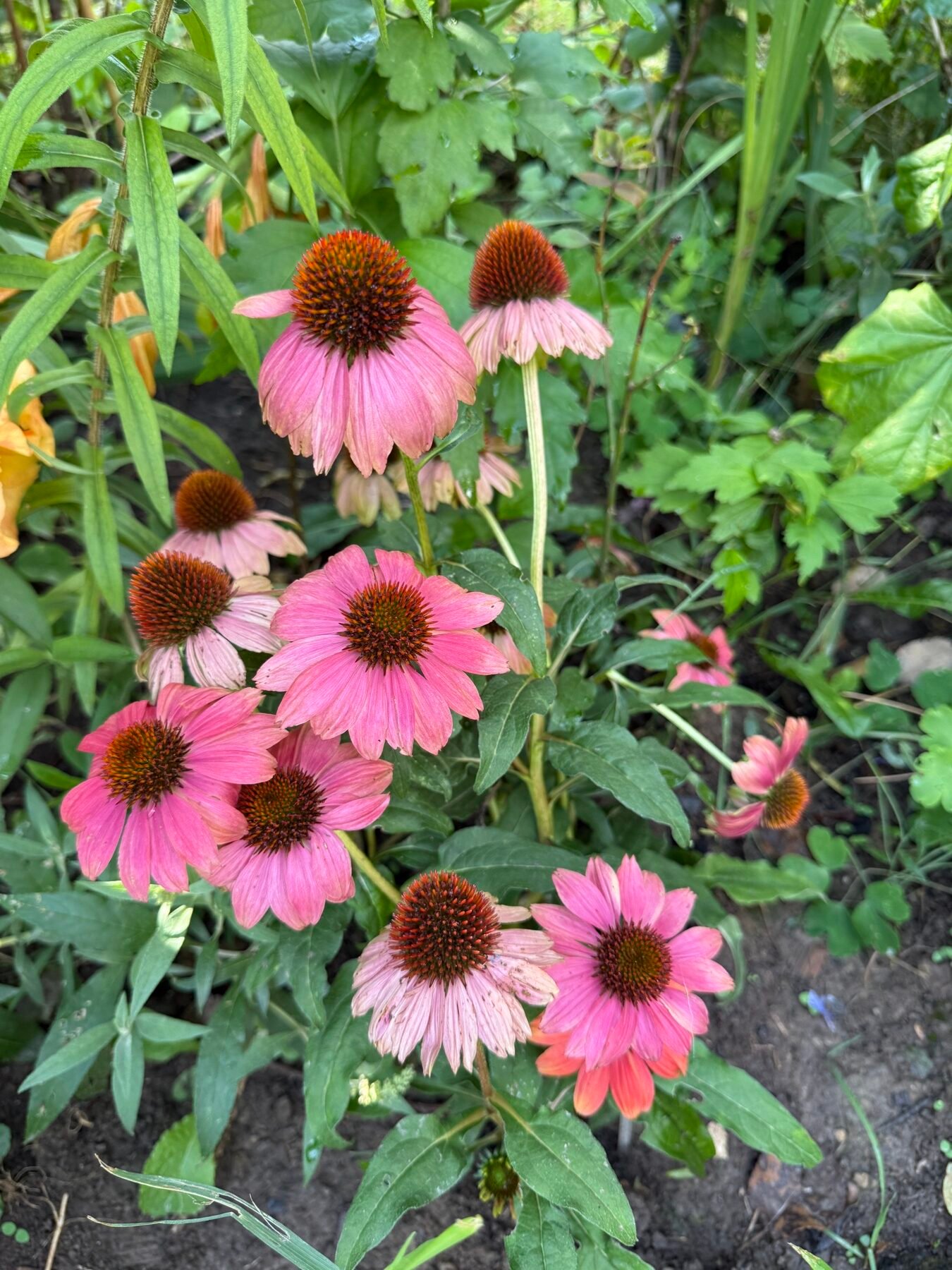
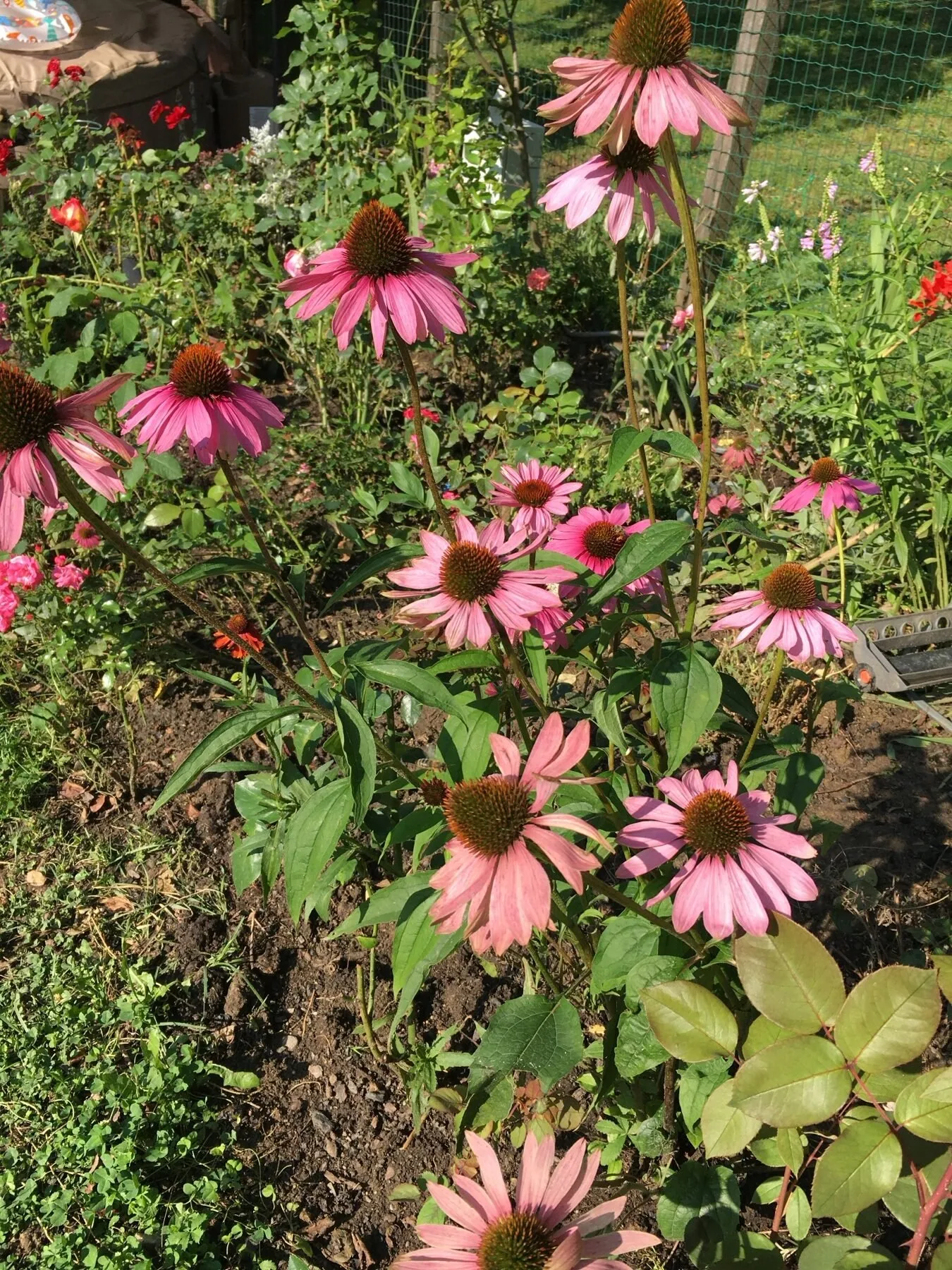
Echinacea forms upright clumps and brings large flowers to the beds, with pinkish-purple petals around a warm central cone. Its silhouette stays expressive from early summer into fall, and the flowers work just as well in naturalistic gardens, mixed borders and bouquets.
It’s a tough perennial and easy to look after once established. Bees and butterflies visit the flowers, and seeds left over winter can feed the birds. Its main weak spot isn’t cold but standing water in the soil during winter.
Keep in mind: it prefers plenty of sun and good drainage. In shade it blooms less, and heavy, waterlogged soil can shorten the life of the clump.
Botanical data
Quick facts
Botanical name
Echinacea purpurea
Cultivar
‘Roter Leuchtstern’ and other plants of unknown variety
Family
Asteraceae
Type
Herbaceous perennial
Origin
Central and eastern United States
Height
90–150 cm (3–5 ft)
Spread
30–60 cm (1–2 ft)
Exposure
Sun / part shade
Soil
Clay in my gardenDeep, fertile and well-drained
Moisture
Moderate; tolerates occasional drying out
pH
Acid – neutral – alkaline
Cold hardiness
RHS H5 · hardy in a cold winter
USDA zone
3–8
Bloom
June–August in general sourcesObserved in Bran: July–October
Color
Pink–purple
Pollinators
★★★★★
Containers
Possible, in a large, well-drained container
Cut flowers
Yes
Self-seeding
Possible; depends on the cultivar
Guide calendar
Sowing and starting seedlings
Seeds from different packets can behave differently, so I follow the packet instructions first and note what works for me.
| Task | Jan | Feb | Mar | Apr | May | Jun | Jul | Aug | Sep | Oct | Nov | Dec |
|---|---|---|---|---|---|---|---|---|---|---|---|---|
| Cold stratification* | ● | ● | ● | ● | ||||||||
| Sowing indoors | ● | ● | ● | |||||||||
| Sowing outdoors | ● | ● | ● | ● | ||||||||
| Transplanting | ● | ● | ||||||||||
| Usual bloom | ● | ● | ● | |||||||||
| My sowings · 2026 | ● | ● |
On a phone, swipe the table to the left.
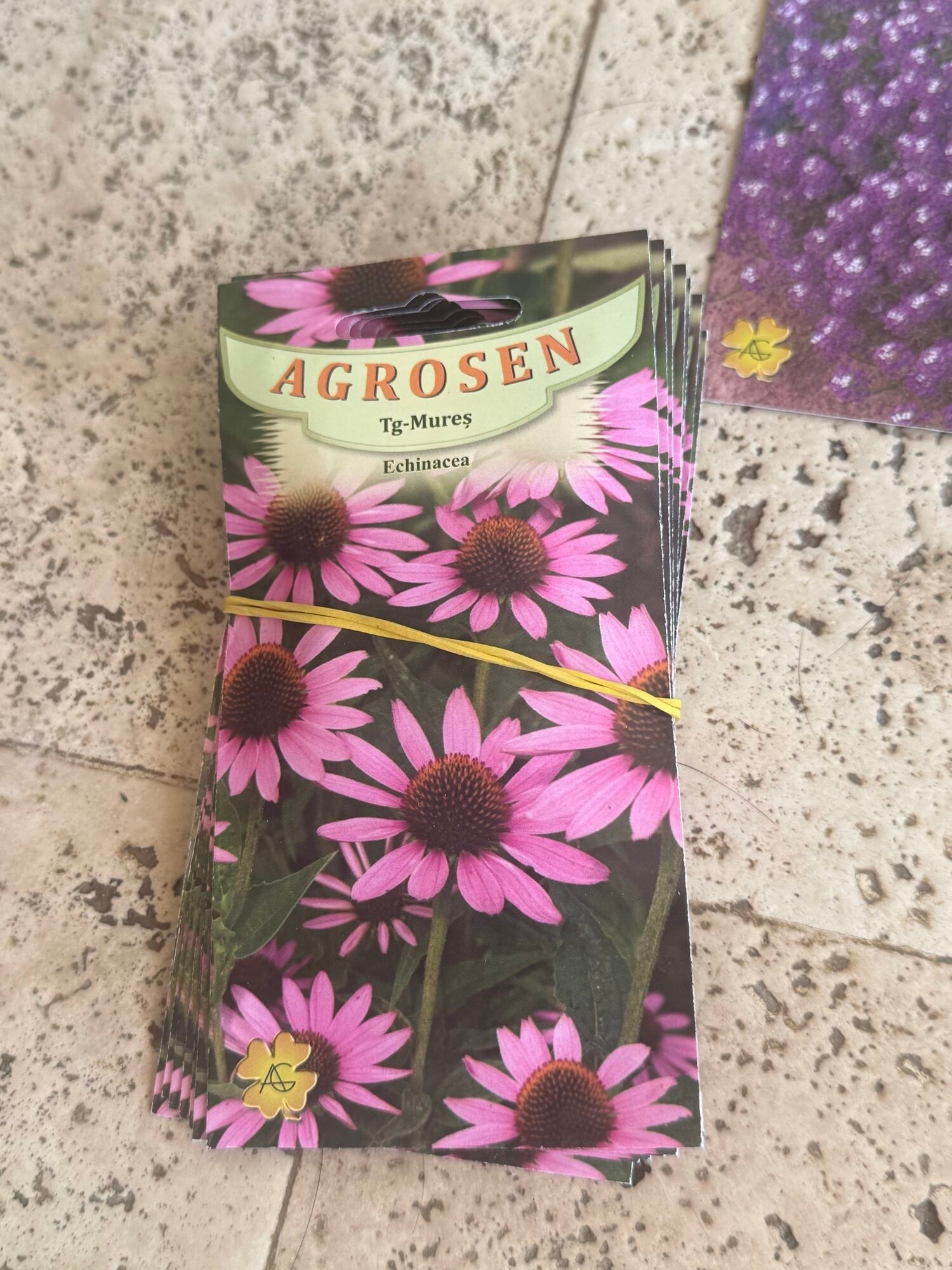
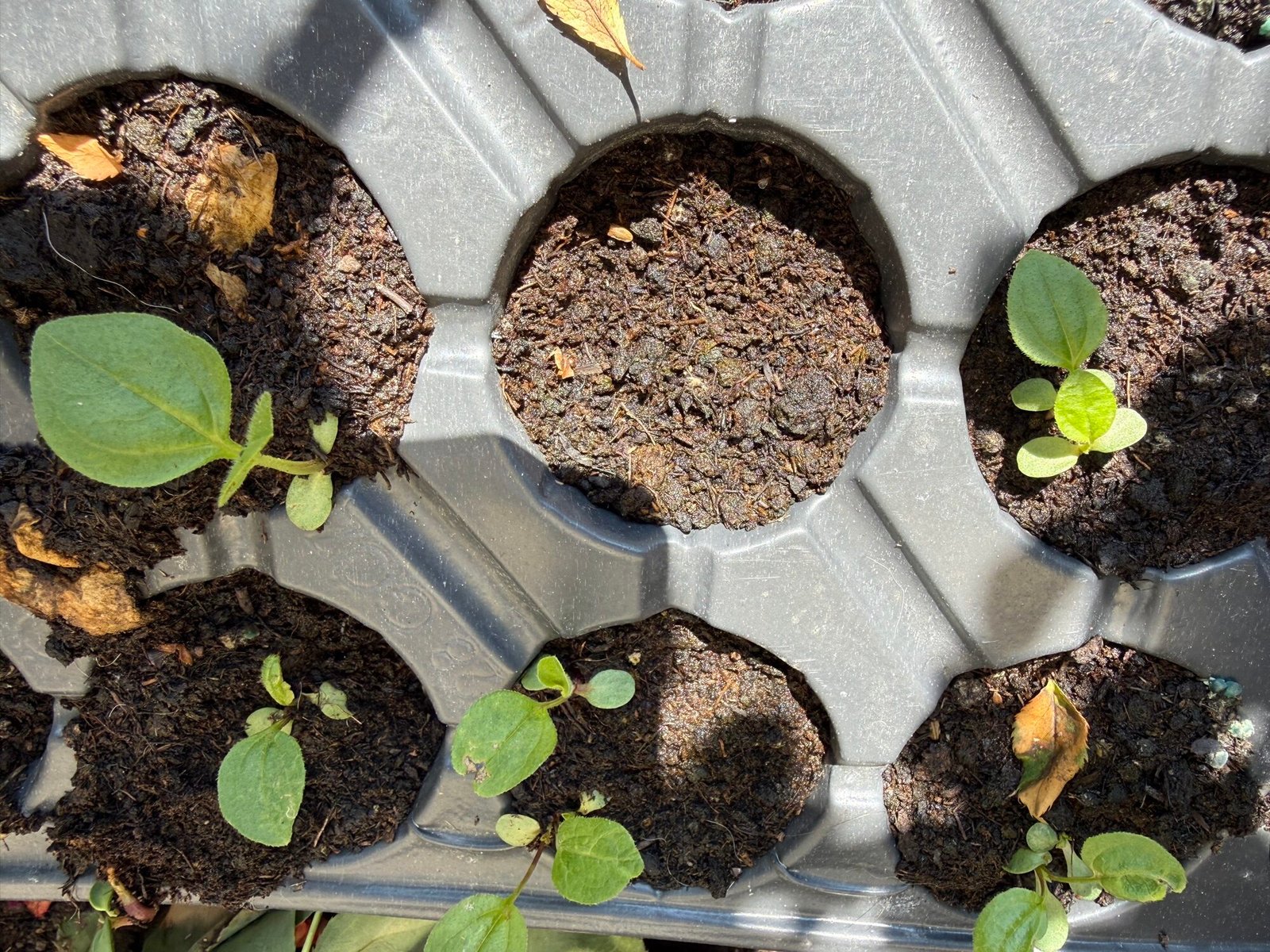
* For E. purpurea, the need for stratification varies with the origin and age of the seeds. In my garden, Kiepenkerl ‘Roter Leuchtstern’ and Agrosem seeds germinated successfully in two batches sown at the end of May and in July 2026. I hope the 2026 seedlings will bloom in 2027.
Growing in cold areas
A promising profile for the mountains
Initial climate assessment
Winter hardiness
★★★★☆
Late frosts
★★★★☆
Cool summers
★★★★☆
Short growing season
★★★☆☆
Wind
★★★☆☆
Heavy snow
★★★★☆
Local test at altitude
It grows and overwinters successfully at 770 m (2,500 ft) in Bran, Brașov County, Romania. This is an observation from my garden, not a recommended maximum altitude for the species.
Tested in my garden
My experience — Bran, Romania
Some of the mature plants came from Hornbach, FloraSelf brand, and the rest were grown from seed in the garden. Local experience confirms that echinacea survives winter at 770 m.
| Purchased plants | Hornbach · FloraSelf |
| Successful seeds | Kiepenkerl + Agrosem |
| Sown in 2026 | Late May + July |
| Seedlings transplanted | Summer 2026 |
| Seedlings’ first bloom | Expected in 2027 |
| Survived winter | Yes, the established plants |
Bloom rhythm
Bloom: the literature and my garden in Bran
In Bran: July–October
J
F
M
A
M
J
J
A
S
O
N
D
General sources:
often June–August; Kiepenkerl gives July–October for ‘Roter Leuchtstern’
In my garden:
bloom observed from July to October
The 2026 seedlings:
I hope they’ll bloom in 2027
Spring
New growth
Clear away old stems, check drainage and add compost without burying the crown.
Summer
Water, airflow and flowers
Water at the base, without keeping the leaves wet. Good airflow around the clumps helps when powdery mildew or leaf spots appear.
Fall
Seeds and structure
Keep a few seed heads for seeds and birds; avoid dividing very late in cold areas.
Winter
Drainage, not overprotection
Leave the stems for habitat and protect the soil above all from standing water.
Visual guide
Light, soil and water
☀ Light
⌁ Moisture
♧ Soil
Loamy, rich in humus
Sandy, amended
Chalky, if it drains
Very good drainage in winter
Propagation
From seed to a mature clump
Seeds
Surface sowing, with steady moisture. In my garden, both kinds of seed germinated in batches started at the end of May and in July 2026.
● Successful test
Division
Can be done in spring or fall, once the clump is big enough. In cold areas I prefer spring.
● Medium
Root cuttings
The RHS recommends this method from late fall to early winter.
● Medium
Seeds that came up for me
Kiepenkerl ‘Roter Leuchtstern’
Echinacea purpurea, code 1067140. The producer gives 18–22 °C (64–72 °F), germination in 14–21 days and bloom from July to October.
Seeds that came up for me
Agrosem Impex — Echinacea
A 0.5 g packet, perennial plant. The producer gives 75–100 cm (30–40 in), plenty of sun and soil rich in humus and calcium.
Where the plants came from
What grows in the garden
Purchased plants
Hornbach · FloraSelf
My own plants
Grown from seed
Kiepenkerl
Kiepenkerl ‘Roter Leuchtstern’
Agrosem
Agrosem Impex · Echinacea
Sowings
Late May and July 2026
Which variety I have
Species
Echinacea purpurea
Identified cultivar
‘Roter Leuchtstern’
Other plants
FloraSelf and Agrosem — cultivar not specified
Last checked
September 6, 2026
Biodiversity and safety
A plant for a living garden
Bees and butterflies love it, and in winter birds eat its seeds. The dry stems can shelter some solitary bees.
Value for wildlife
Bees and other pollinators
★★★★★
Butterflies
★★★★★
Birds — seeds
★★★★☆
Habitat in dry stems
★★★★☆
Native to Romania
No
Problems seen in Bran
Firsthand experience from the gardenThe plants survive winter, but they need watching in wet spells and when slugs are active.
Leaf spots
Dark spots have been seen on the leaves.
Powdery mildew
It can appear; airflow and watering at the base are important.
Slugs
Seedlings and young leaves get eaten if left unprotected.
Safety: the echinacea in my garden is for flowers, not for teas or remedies. Echinacea preparations can cause allergic reactions.
Companion planting
What I pair it with in the garden
Plants with similar needs, complementary textures and bloom times that can extend the interest of the bed.
Achillea
Salvia nemorosa
Nepeta
Rudbeckia
Agastache
Ornamental grasses
The links will lead to individual profiles as they are created.
How the plant has grown
A visual journal, stage by stage
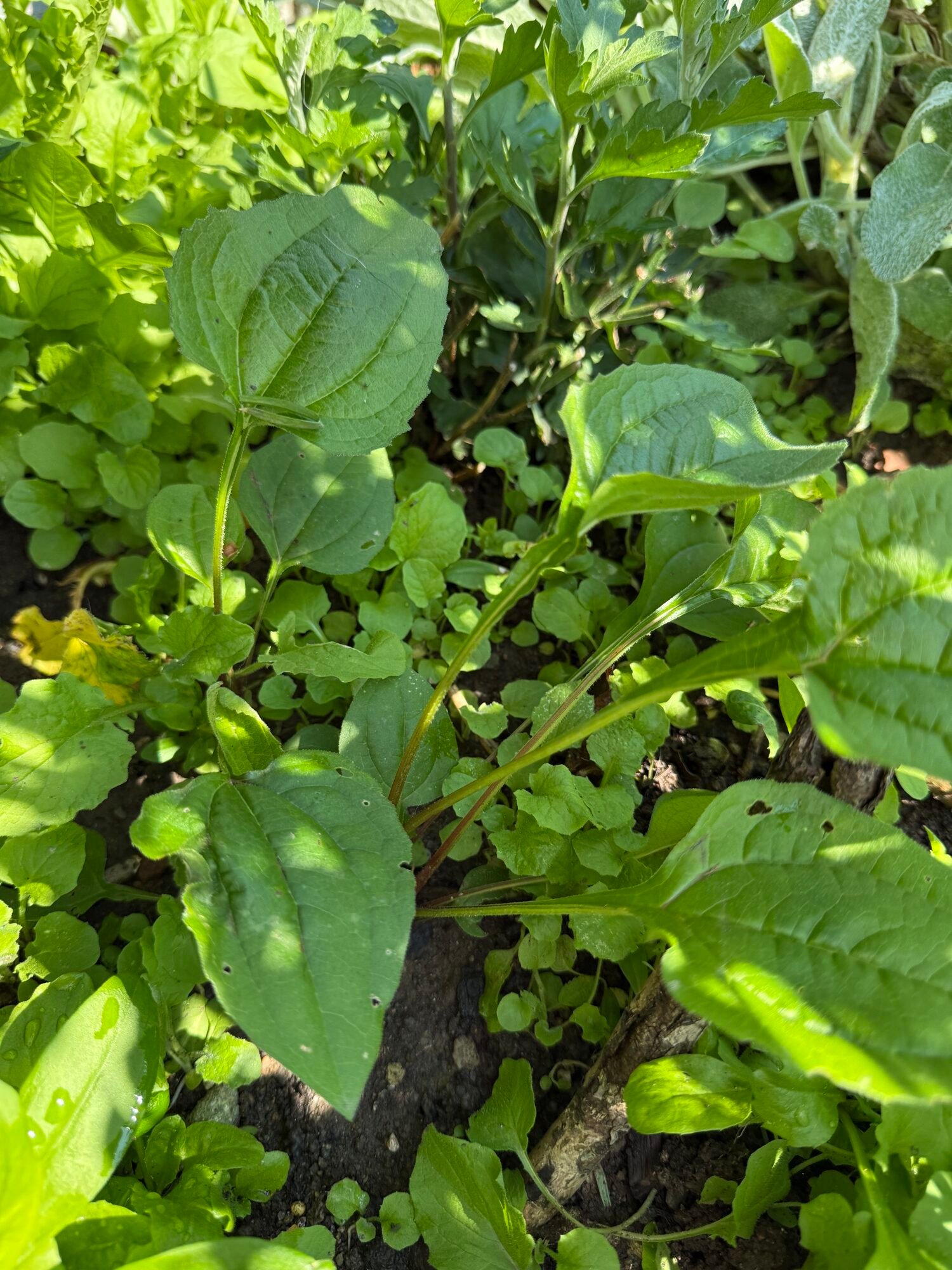
The gallery brings together the seeds I used, the seedlings grown in 2026, transplanting into the garden and the mature plants in bloom.
Seeds
Seedling
Pricking out
Planting
Buds
Bloom
Maturity
Fall
After winter
Sources