
Seasonal journal · November
The garden in November
Targeted tasks that make a difference in the cold season
In November, you see more of the garden through the branches, the fallen leaves and the outlines of the beds.
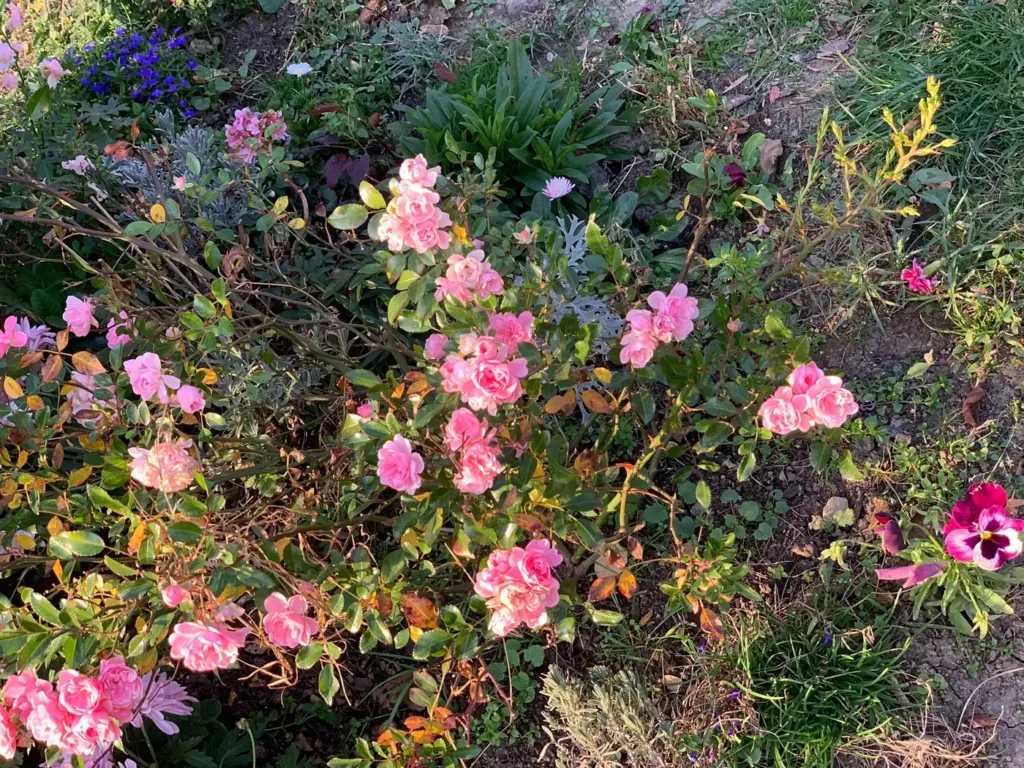
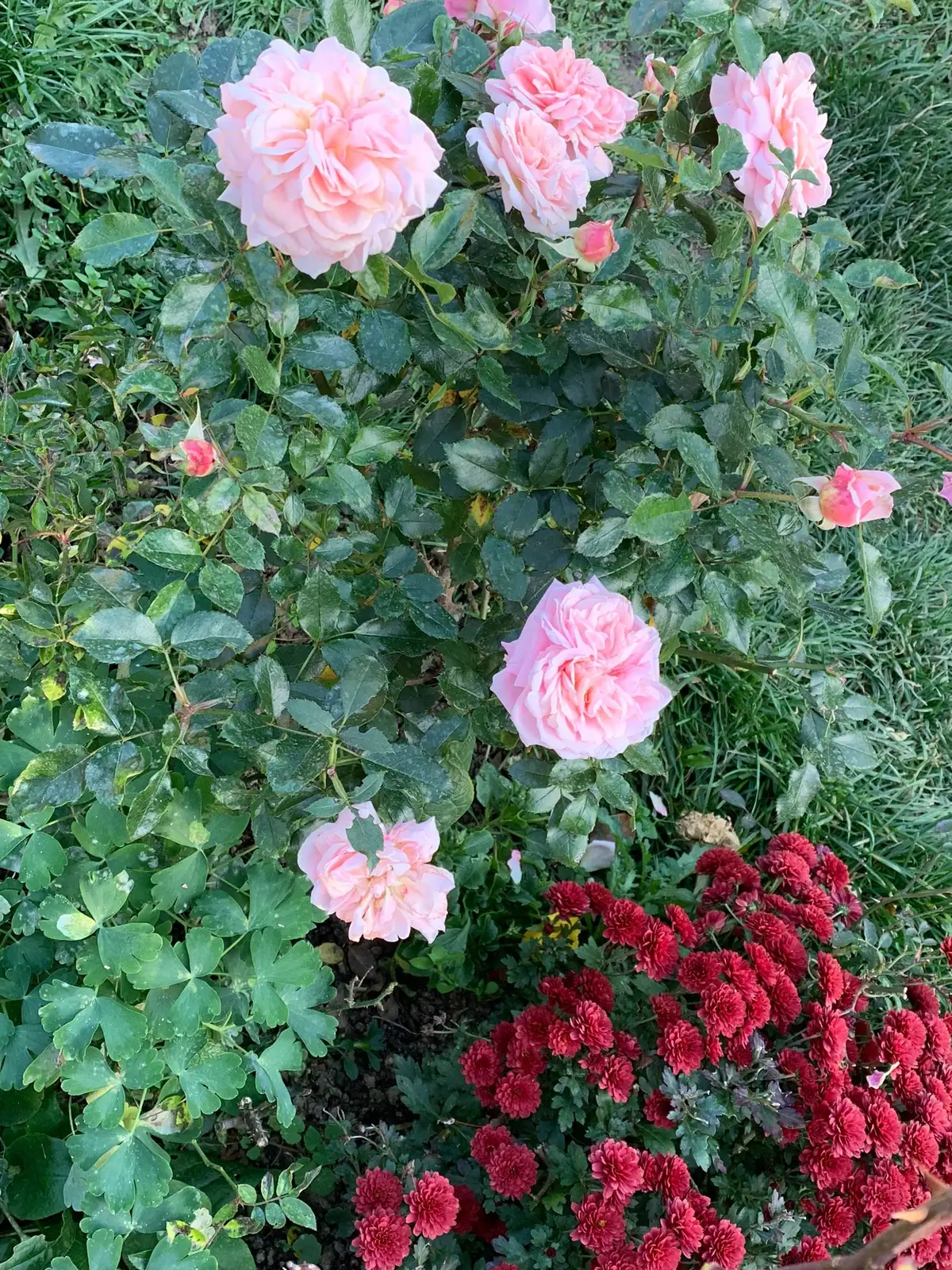
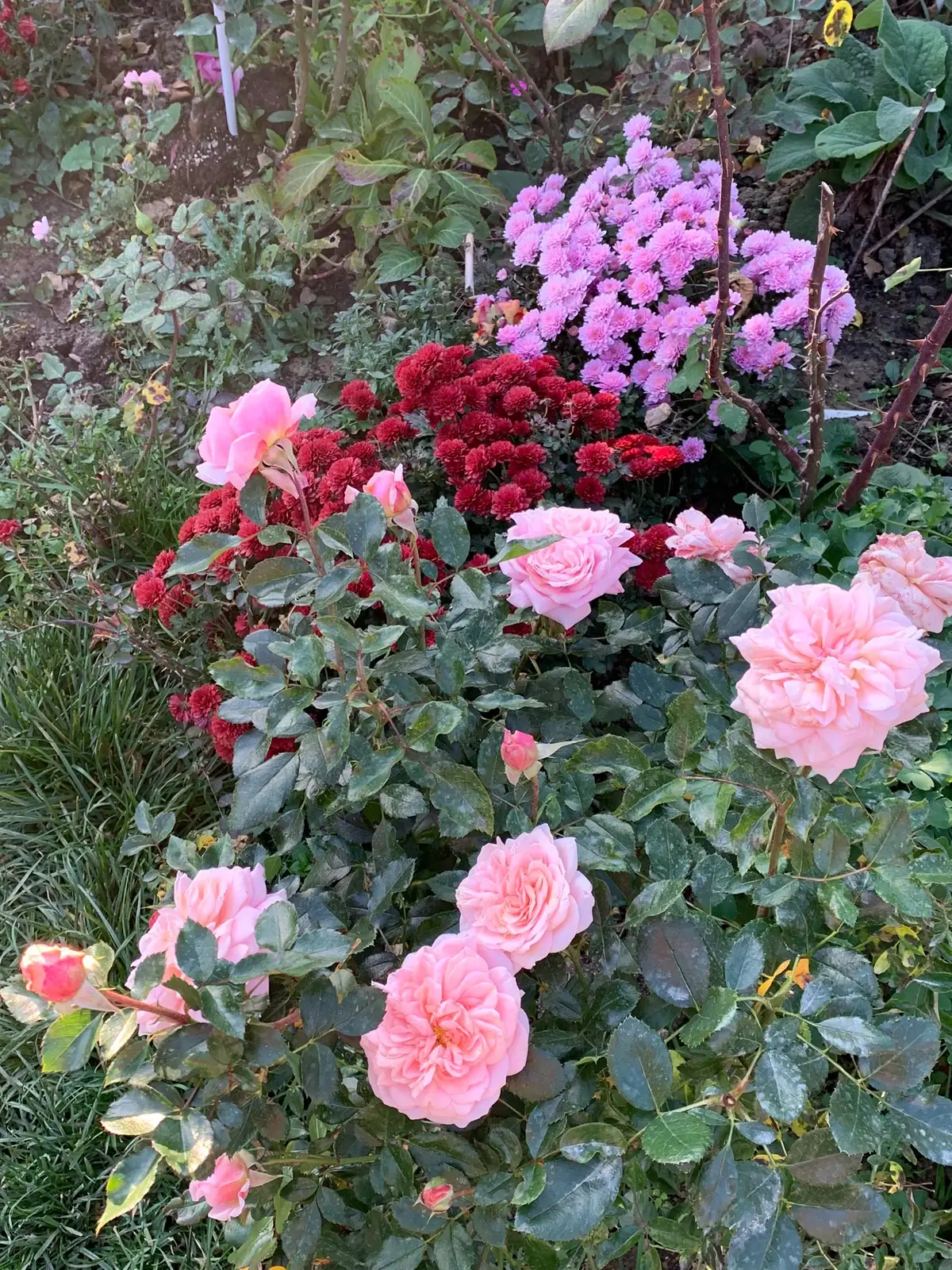
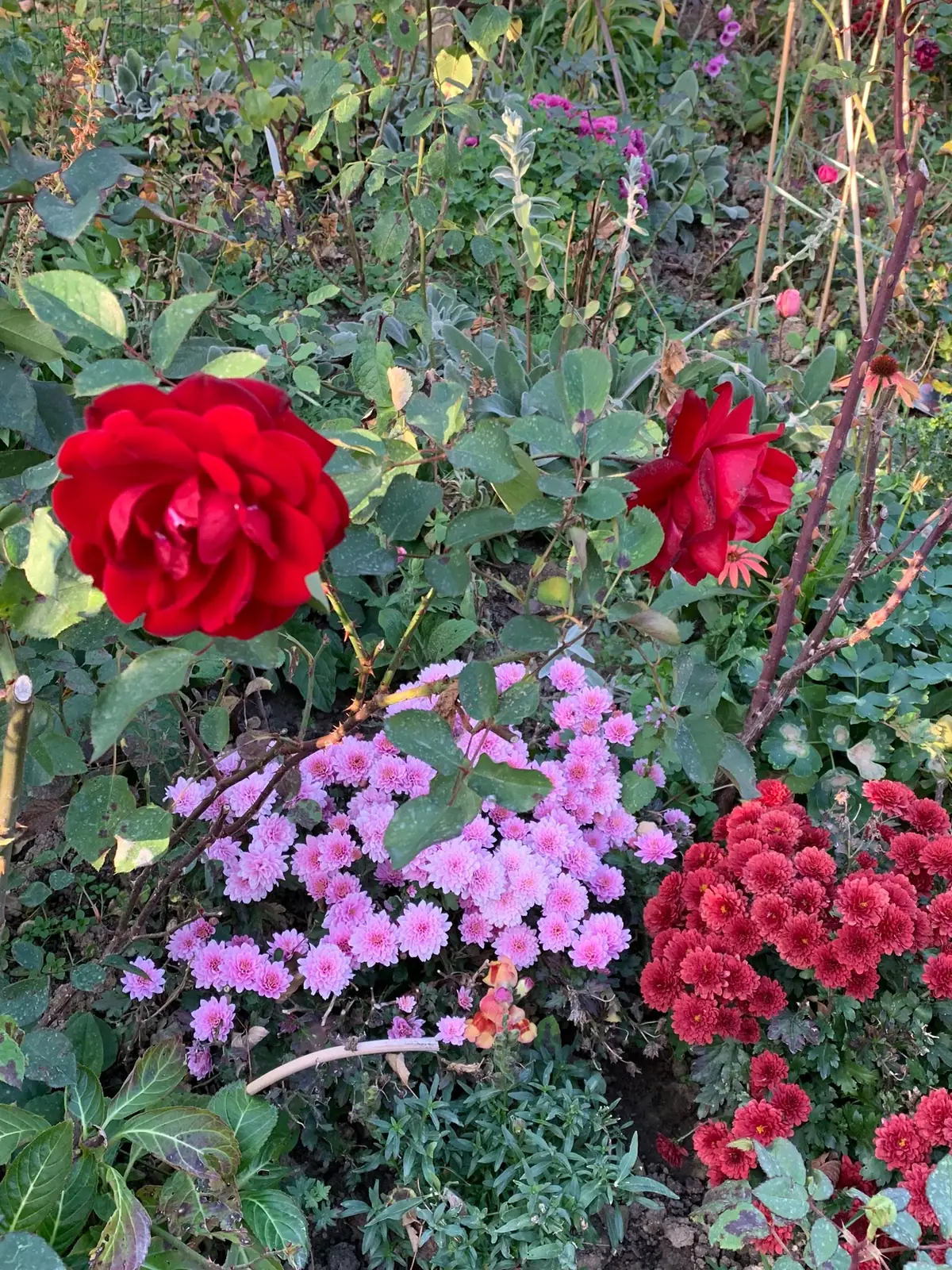
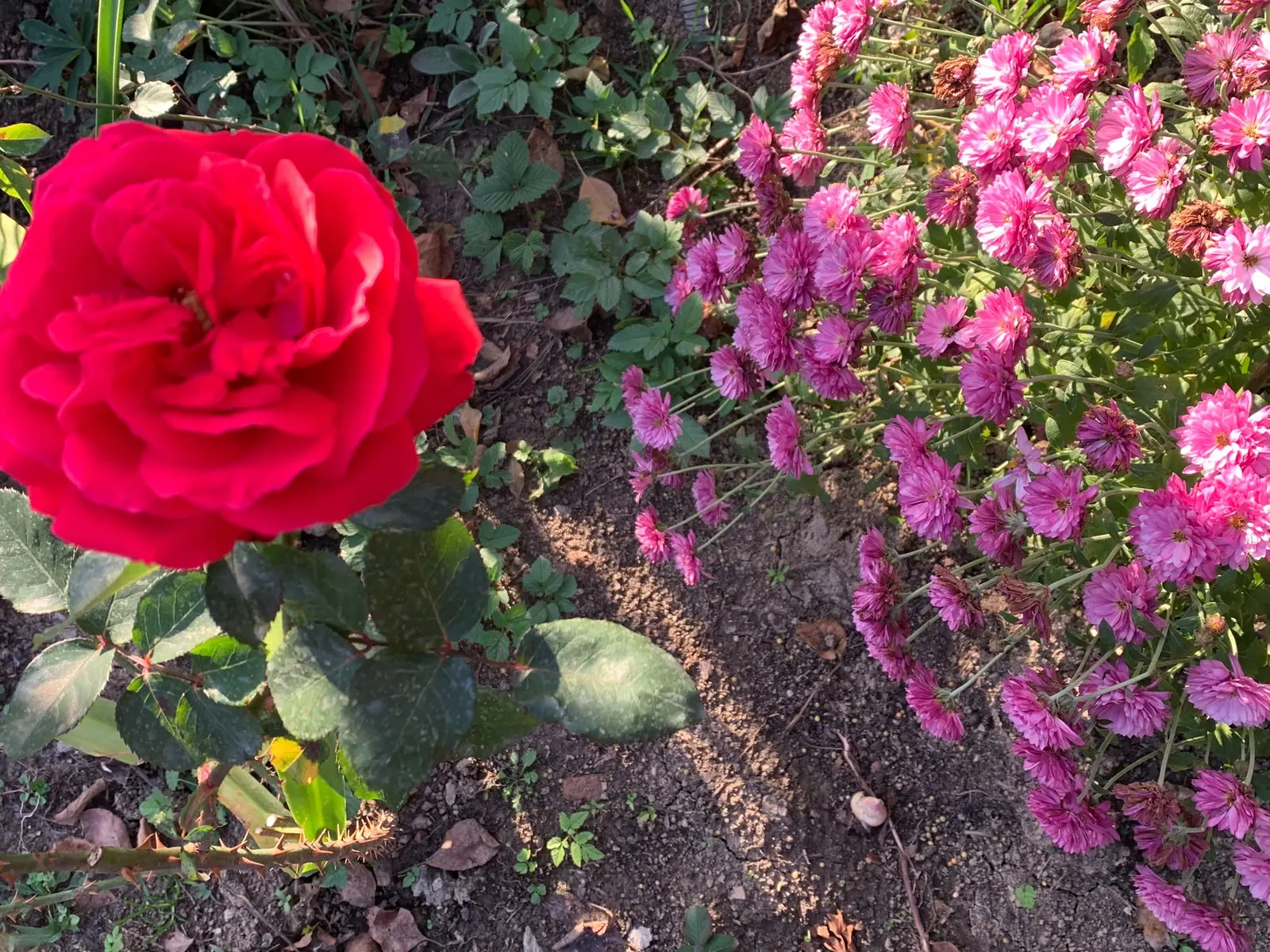
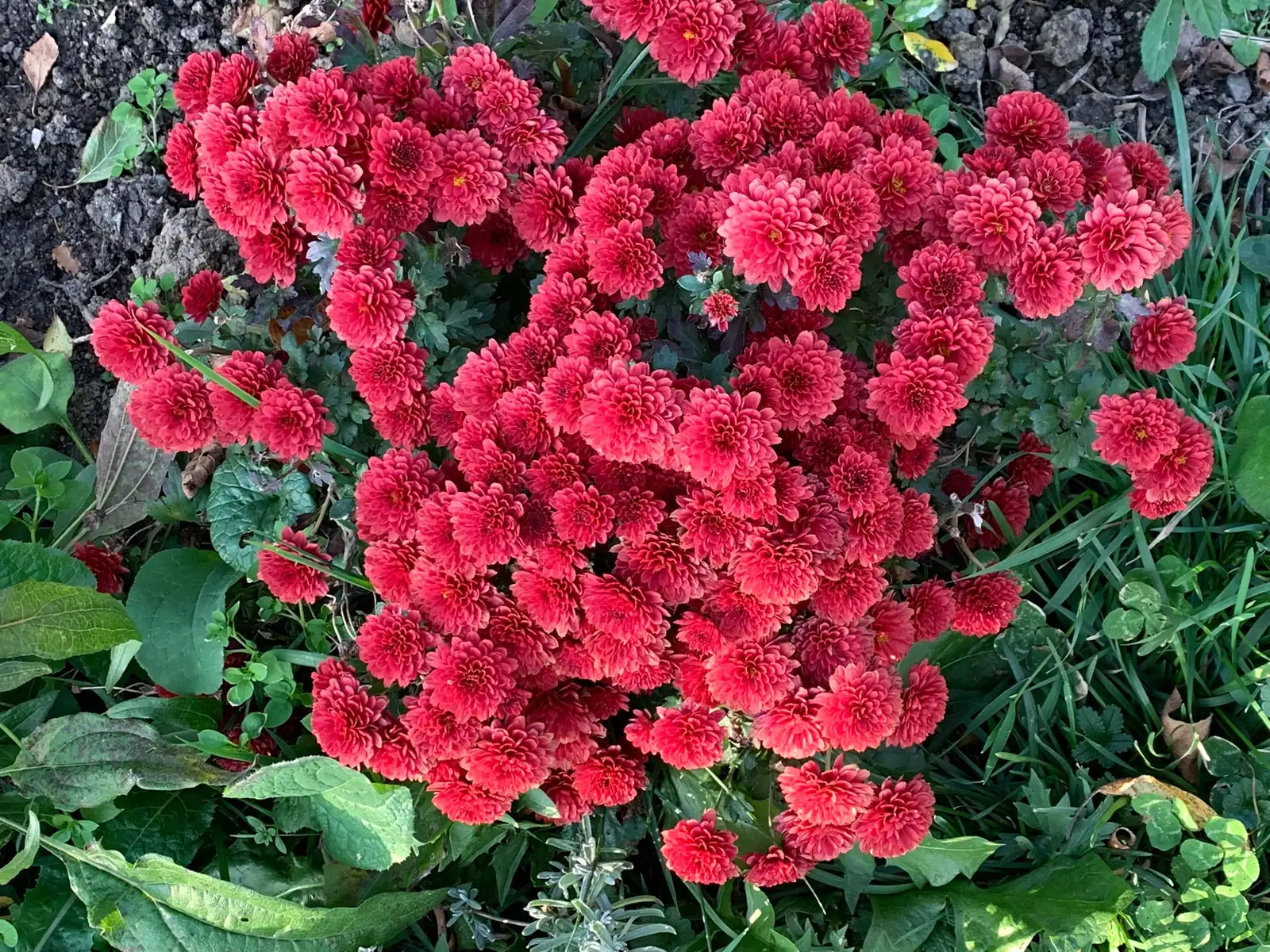
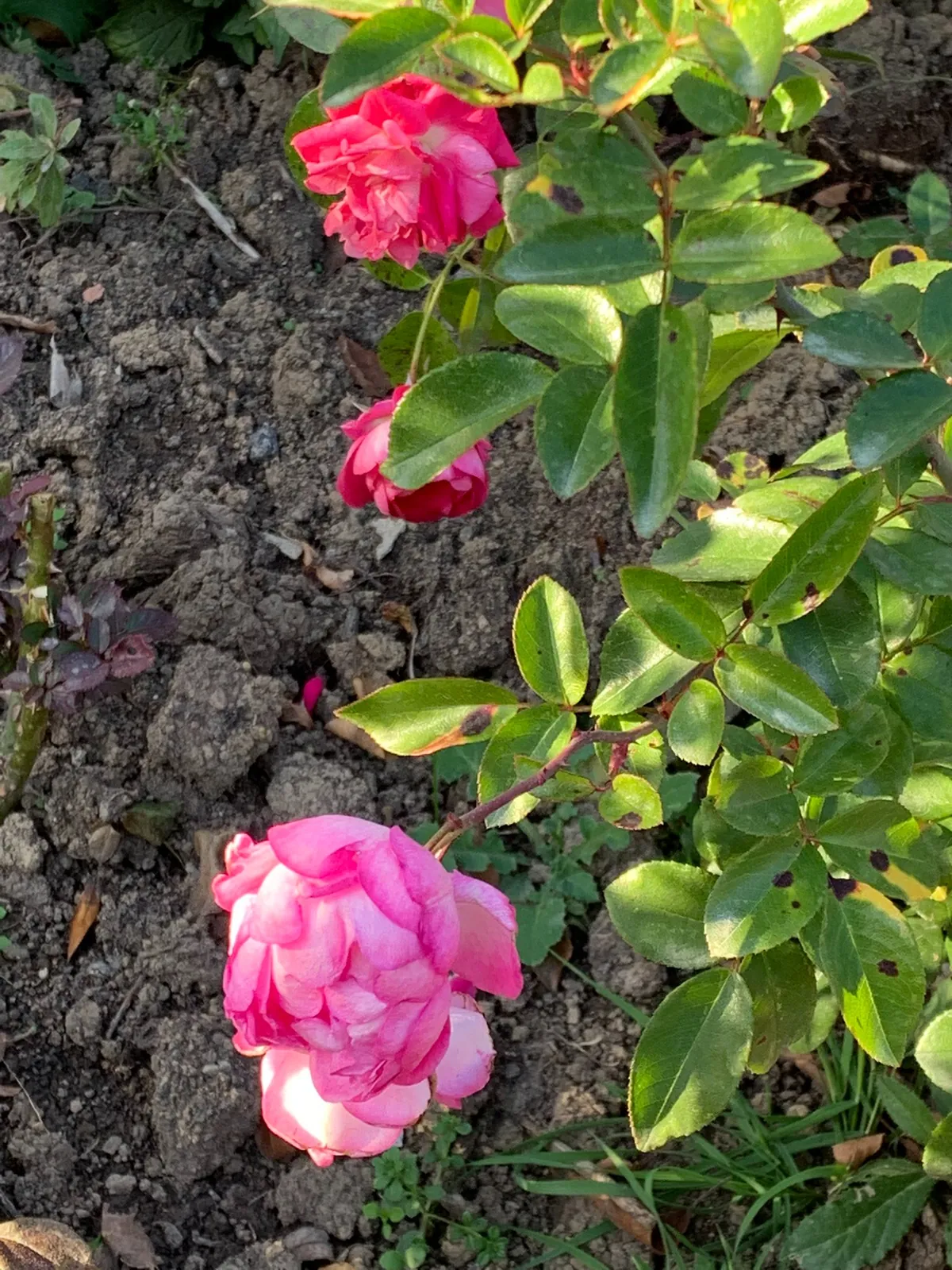
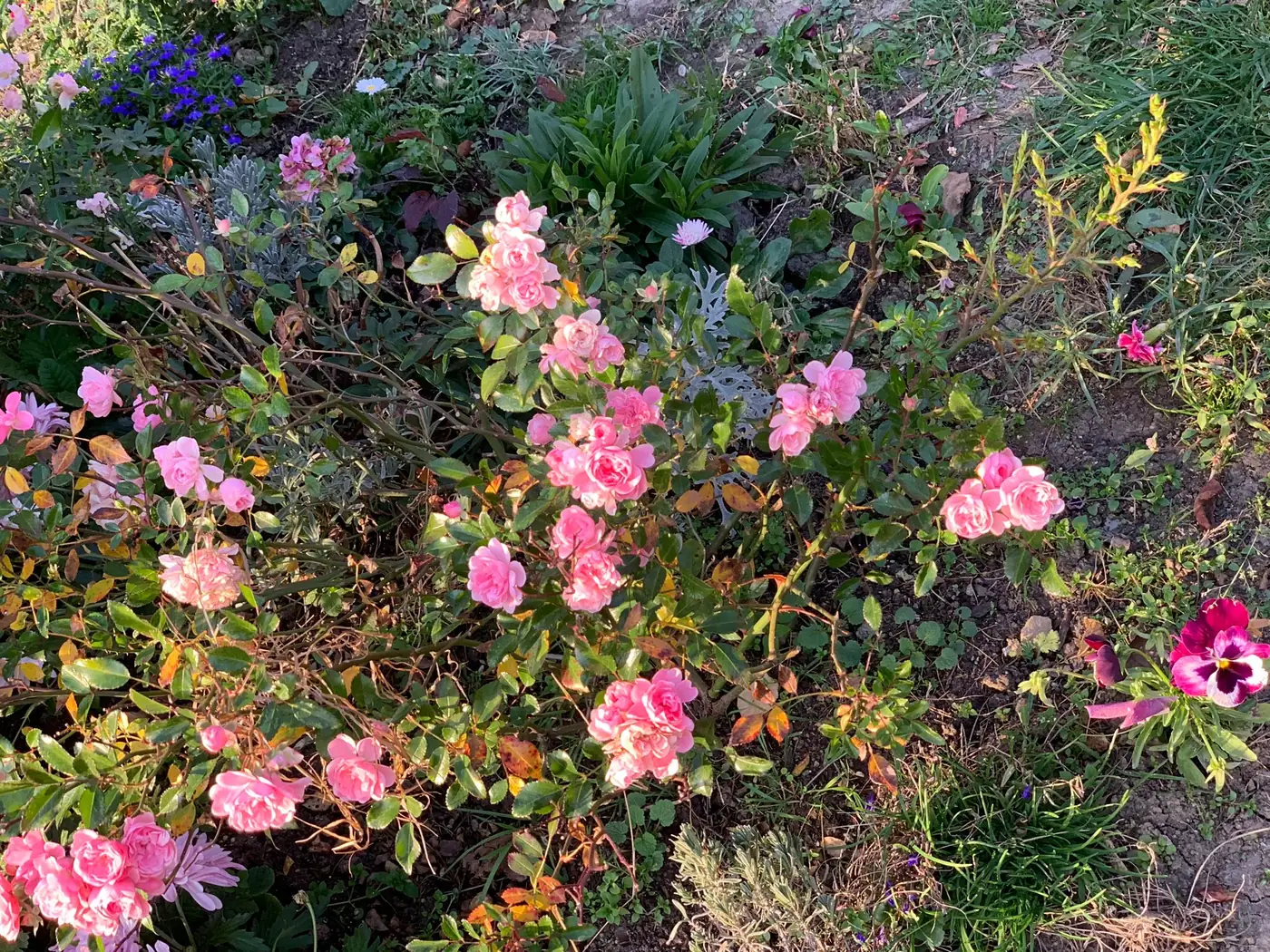
In Bran (Brașov County, Romania), in the first part of November, the garden still gives us moments of joy with hardy chrysanthemums and the last roses in bloom. Color doesn’t disappear all at once, but the light stays with us for less time. I like this period, when I can better see the spaces between plants and the corners that summer hides under leaves.
Still, November is above all the month when the first snow appears, reminding us that winter is near and that it’s time to gradually shift our attention to protecting the plants.
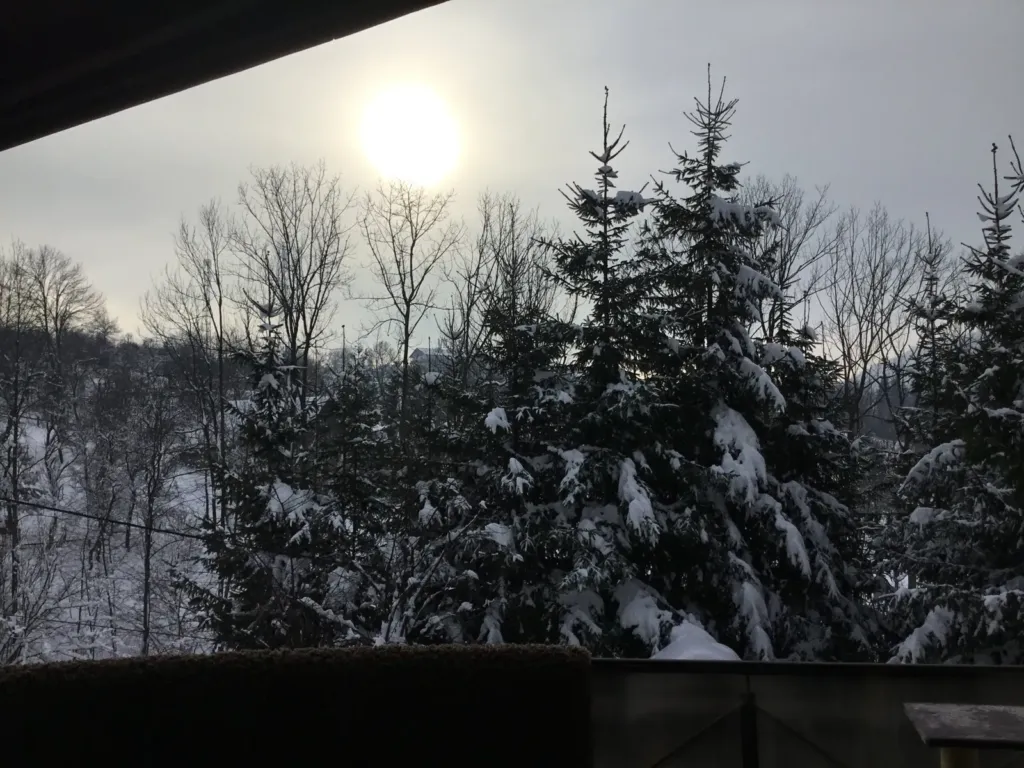
This sudden shift from the last splashes of color to a white landscape shouldn’t catch us by surprise. Even if we still see brave flowers holding out in the cold air, the soil starts to cool deeply and frosty nights become the rule. This is when I check the last details: I make sure the protective materials are within reach, clear thick layers of leaves from the lawn and paths, where they could smother the plants, and get the young cuttings ready for their first serious test against a mountain winter.
In the Romanian folk calendar, November is called Brumar. In the mountains, some tasks are already finished before the month begins. Others can still be done on a mild day, as long as the ground isn’t frozen or waterlogged. And November’s gardening tasks aren’t simply a hurried repeat of those from October.
Priorities shift toward protecting plants, regular checks and tasks that can be deliberately left undone. In November, patience is a task too: some plants need peace more than one more intervention.
I don’t try to keep the garden in summer mode. I want the plants to go dormant with healthy roots and without ties that injure their branches.
November at a glance
- I mound up the roses that need it, once the cold has set in.
- I put winter protection on the macrophylla hydrangeas.
- I move pots under cover and drain the irrigation system.
- I check the apples and pears in the cellar and the dahlias and gladioli in storage.
- I make the sowing plan for February.
01
Do one last check of the wet spots
After rain, you can see where water sits too long. I check the drainage next to beds and pots and clear holes blocked by leaves. I don’t dig in waterlogged soil. If the problem calls for reworking an area, I note it for the right conditions; a hole dug in a hurry won’t fix a garden’s drainage. [1]
02
Put winter protection on at the right time
Everyday mulch and an extra winter layer don’t play exactly the same role. For perennials that need protection, I wait for the soil to cool steadily and the frost to begin, so I don’t encourage growth under a cover put on too early. I choose an airy material that suits the plant. I don’t cover every plant the same way, and creeping phlox doesn’t want a dense blanket over its leaves. [2]
03
Protect roses according to their type
A mature, hardy rose doesn’t need the same protection as a tender or newly planted one. I mound up the ones that need it with bought soil and compost, so I don’t expose the roots, and I wait for the cold to set in. With more than 80 rose bushes, mounding is one of the fall tasks that takes me the longest. On climbers I check the ties and secure the long canes well. Pruning waits until spring. [3]
04
Keep the hydrangea buds
With hydrangeas that bloom on old wood, the branches that look uninteresting now may carry next summer’s flowers. I don’t shorten them just to make them look tidy. The dried flowers can stay, as long as they don’t bend the branches. For macrophylla I put a thick layer of mulch at the base and a light cover of leaves or frost cloth, not plastic, because I can’t count on snow every winter. [4]
05
Move pots to the right places for winter
I raise containers on pot feet, without blocking their drainage, and set them somewhere more sheltered from the wind. Frost-tender plants go somewhere that doesn’t freeze and where they get the light they need. Wrapping a pot helps, but it doesn’t keep the roots safe from frost. I also check the moisture: rain may not reach under the eaves. [1, 5]
06
Clear thick layers of leaves off the lawn
I pick up leaves that build up in a dense layer and let the grass get light. If it’s still growing, it may need a cut on a mild fall day when the soil is dry. I don’t mow on frost and avoid walking on frozen or very wet grass. [6]
07
Check the stored tubers
I don’t forget about the dahlias once they’re under cover. I check them regularly for soft spots, mold or severe shriveling and separate anything affected. The storage spot must stay cool and frost-free. Labels attached firmly now save a lot of guesswork in spring. [7]
08
Plant only when the soil allows
Bare-root trees and shrubs are planted while dormant, without letting the roots dry out. But if the ground is frozen or saturated with water, I stop. For a package that arrives at a bad moment, the roots must be kept moist and protected until planting, following the nursery’s instructions. In the mountains, a general fall tip doesn’t mean I have to plant no matter what. [8]
09
Get water and tools ready for the cold
Draining hoses and containers that can crack is a small but useful job. Irrigation systems are prepared according to their instructions; if they need a professional, I don’t improvise. I clean the soil off my tools, dry them and put them away. Still, I keep handy what I use for leaves and for winter checks.
10
Leave room for garden wildlife
I don’t collect every stem and every healthy leaf. A quiet corner with leaves and dry plants can remain a shelter, as long as it doesn’t cover plants that dislike damp. I clean up the paths and around diseased plants, but I don’t empty the whole garden. [1]
By area, at a glance
| Area | What I do in November |
|---|---|
| Roses | I mound up the bushes that need it, once the cold has set in; I gather the diseased leaves from under them. [3] |
| Perennials | I add the winter protection layer only to those that need it, once the soil has cooled. [2] |
| Hydrangeas | For macrophylla: thick mulch and a light cover of leaves. Paniculata and arborescens don’t need it. [4] |
| Orchard | I collect the mummified fruit left on the trees and on the ground; I plant bare-root trees only on mild days. [8, 11, 12] |
| Lawn | I rake the leaves; I don’t walk on frozen grass. [6] |
| Pots | On pot feet, near the house; tender plants go under cover. [1, 5] |
| Cellar | I check the apples, pears and dahlias; I throw out anything that starts to rot. [7, 9] |
| Seeds | I sort the seed packets and keep working on the plan for February. [10] |
| Compost | I cover the pile so it doesn’t get soaked by rain and snow. |
| Water and tools | I drain hoses and containers; I clean the tools. |
The cellar, once a week
The apples and pears stored in October now need regular checks. I throw out fruit that starts to rot so it doesn’t spoil the ones around it, and I bring the pears indoors a day or two before eating them. I also look at the dahlias. [7, 9]
The sowing plan for February
November is a good month for the garden journal. I take out the seed packets, sort them by the month I’ll sow them and check the year on each one. I prefer to use the seeds I collected myself in their first year, when they germinate best. [10]
In my garden, sowing directly in the bed rarely works, so almost everything starts as seedlings on the windowsill. My plan looks roughly like this:
| Month | What I sow on the windowsill |
|---|---|
| January | Only the very slow plants: petunias, verbenas, salvia and lobelia |
| February | China asters, snapdragons, phlox, night-scented stock and cineraria |
| February | Long-cycle perennials: echinacea, Delphinium, Leucanthemum, Gaillardia, scabiosa and stock |
For birds and hedgehogs
I leave the seed-bearing stems, especially echinacea cones, for the birds. The pile of leaves and branches in the quiet corner stays untouched until spring, because hedgehogs and insects may overwinter in it. I change the water in the dish when it freezes.
What’s still beautiful in November
- The dried flowers of Hydrangea paniculata and arborescens.
- The cones of echinacea, sought out by the birds.
- The last flowers of tall phlox, which in Bran last into November.
- The green carpet of creeping phlox.
- Hips on the roses that make them.
November checklist
- Tender roses are mounded up.
- Macrophylla hydrangeas have mulch and a light cover.
- Pots are on pot feet, sheltered from the wind.
- Hoses and containers are drained.
- The lawn is free of thick layers of leaves.
- Apples, pears and dahlias in the cellar are checked.
- Mummified fruit has been picked off the trees.
- The compost is covered.
- Tools are clean and under cover.
- The sowing plan for February is written.
A garden ready to rest
Once the urgent tasks are done, there’s room for the garden journal. I pick a few photos and note what I want to watch in spring, without making yet another endless shopping list.
What do you leave in your garden over winter, and what have you chosen to protect especially? Tell me in the comments.
Further reading
- [1] RHS — November jobs in the flower garden
- [2] University of Minnesota Extension — Winter mulching
- [3] Iowa State University Extension — Rose care through the year
- [4] RHS — Pruning hydrangeas
- [5] RHS — Preventing frost damage
- [6] RHS — The lawn in November
- [7] RHS — Growing and overwintering dahlias
- [8] RHS — Trees and shrubs in November
- [9] RHS — Storing fruit
- [10] NC State Extension — Tips for saving seeds
- [11] Gerbeaud — What to do in the garden in November
- [12] Au Jardin — November in the garden
I’ve adapted the advice from these sources to my mountain garden. The weather, the soil and the plant matter more than the month on the calendar.
Photos from my garden
November in pictures
A few moments from the garden in Bran in November.