

Seasonal journal · Spring
The perennials that came through winter well in my garden
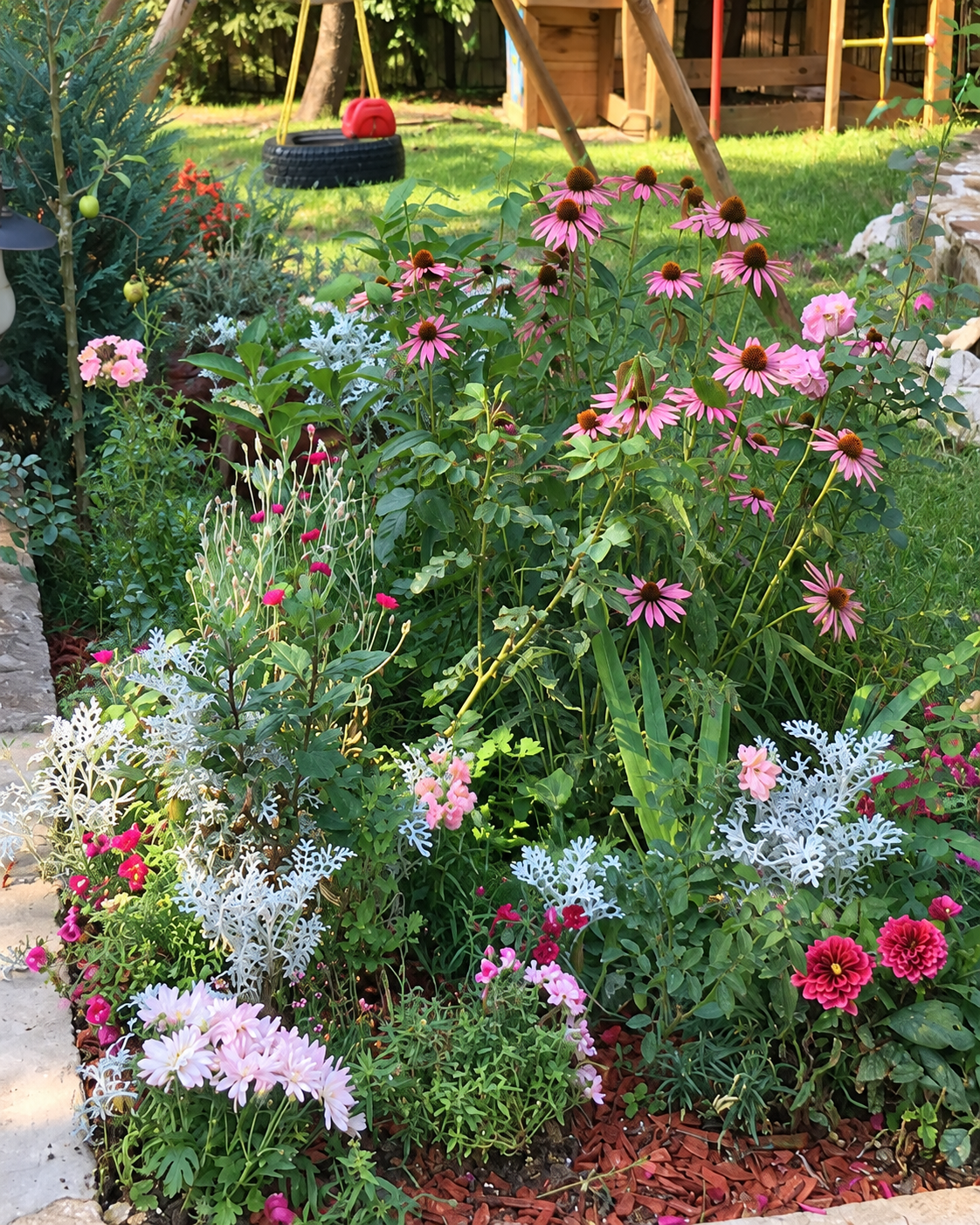
How my garden at the foot of the mountains comes back to life
In the first days when the snow begins to shyly retreat, the garden doesn’t give you all the answers at once. White patches linger in the shade, dry stems among the leaves and dark soil, still cold. Excited, I start looking for a green rosette, a swollen bud, a tip pushing through last year’s leaves. For me, spring begins with these small joys, full of hope.
After a winter in Bran, in Romania’s Brașov County, every plant that comes back brings something of the joy of a reunion. I remember where I planted it, how it looked last summer and what I hoped for it. Some make themselves known early, almost as soon as the snow melts, while others take their time, leaving the spot looking empty.
Over time, I’ve learned not to rush to conclusions. The garden wakes up at different paces, depending on the light, how quickly the soil warms and the nature of each plant. These observations come from my garden; in a different soil or a different winter, the experience may be different.
In this article
01
Primroses — the first colors among last year’s leaves
Primula vulgaris and Primula hybrids
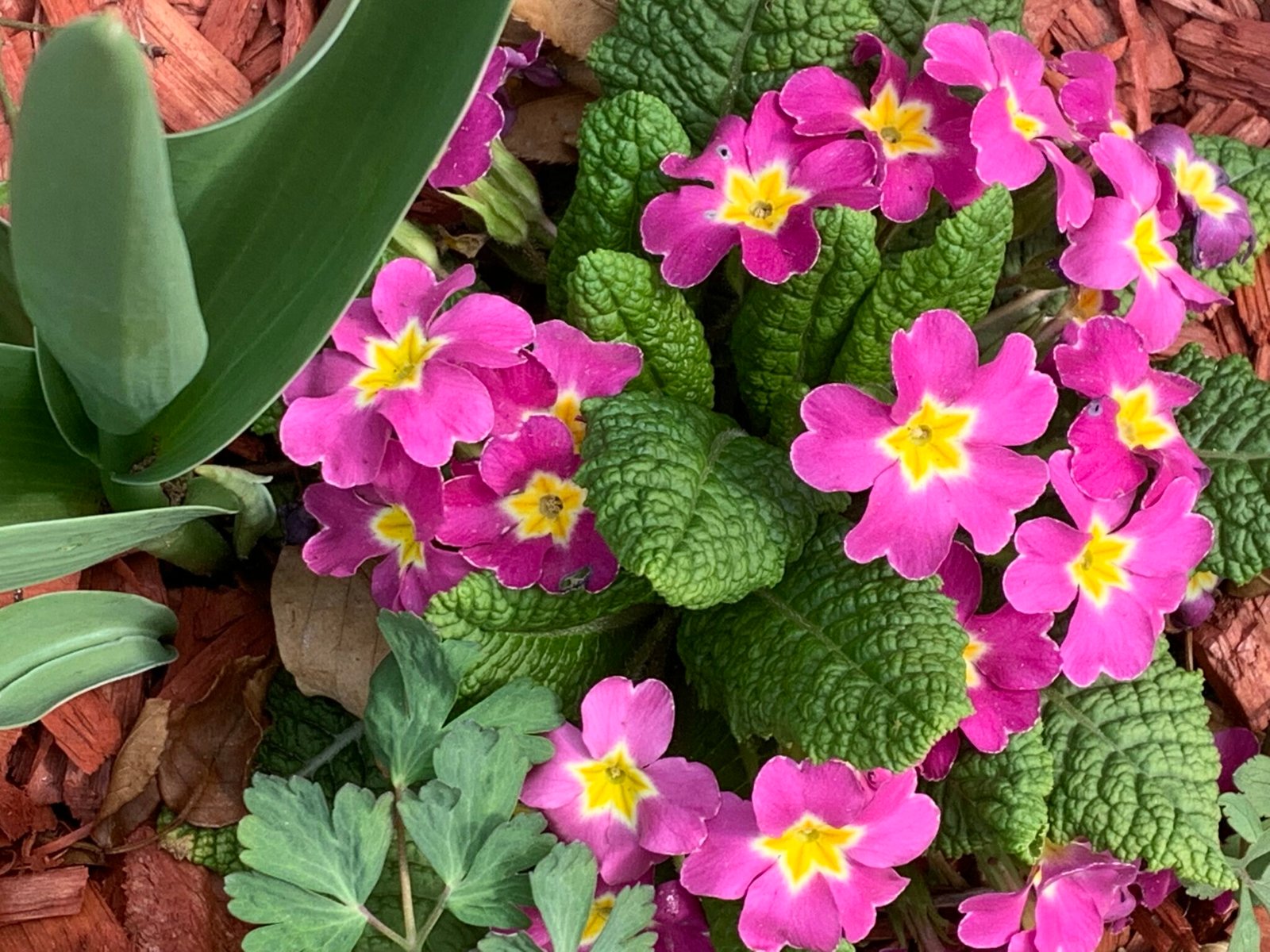
Primroses are among the first flowers I see in spring, sometimes before the snow has left every shady corner. Their rosettes sit close to the ground, and the yellow, pink and purple of their flowers instantly change the look of a bed that’s still asleep.
In my garden they do well in partial shade, in moist soil where water doesn’t sit. I prefer them where the strong sun later in the season won’t dry them out too quickly. Not all primroses sold in stores behave the same way, but those that have adapted to my garden have become markers of the start of the season.
English daisies — small flowers with plenty of persistence
Bellis perennis
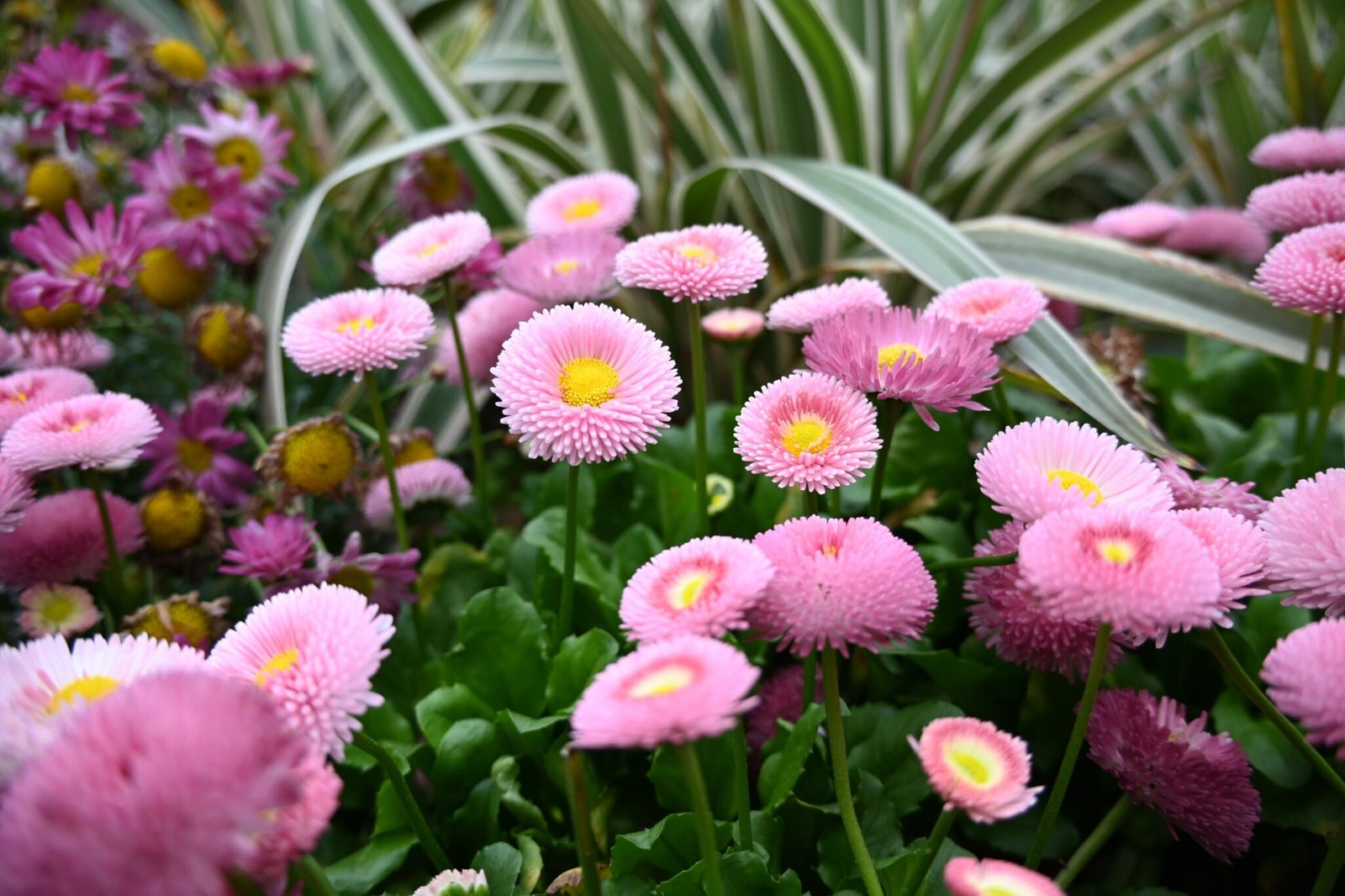
English daisies bring color close to grass level, along the edges of beds and paths. They’re easy to overlook when the garden is full of tall flowers, but in spring they get the attention they deserve.
The rosettes withstand cold well, and the plants can also spread by seed. So their presence from one year to the next can mean both the return of old plants and a new generation. Single and double forms don’t always live equally long; I leave them room where they appear naturally.
02
Sweet William — the exception that proves the rule
Dianthus barbatus
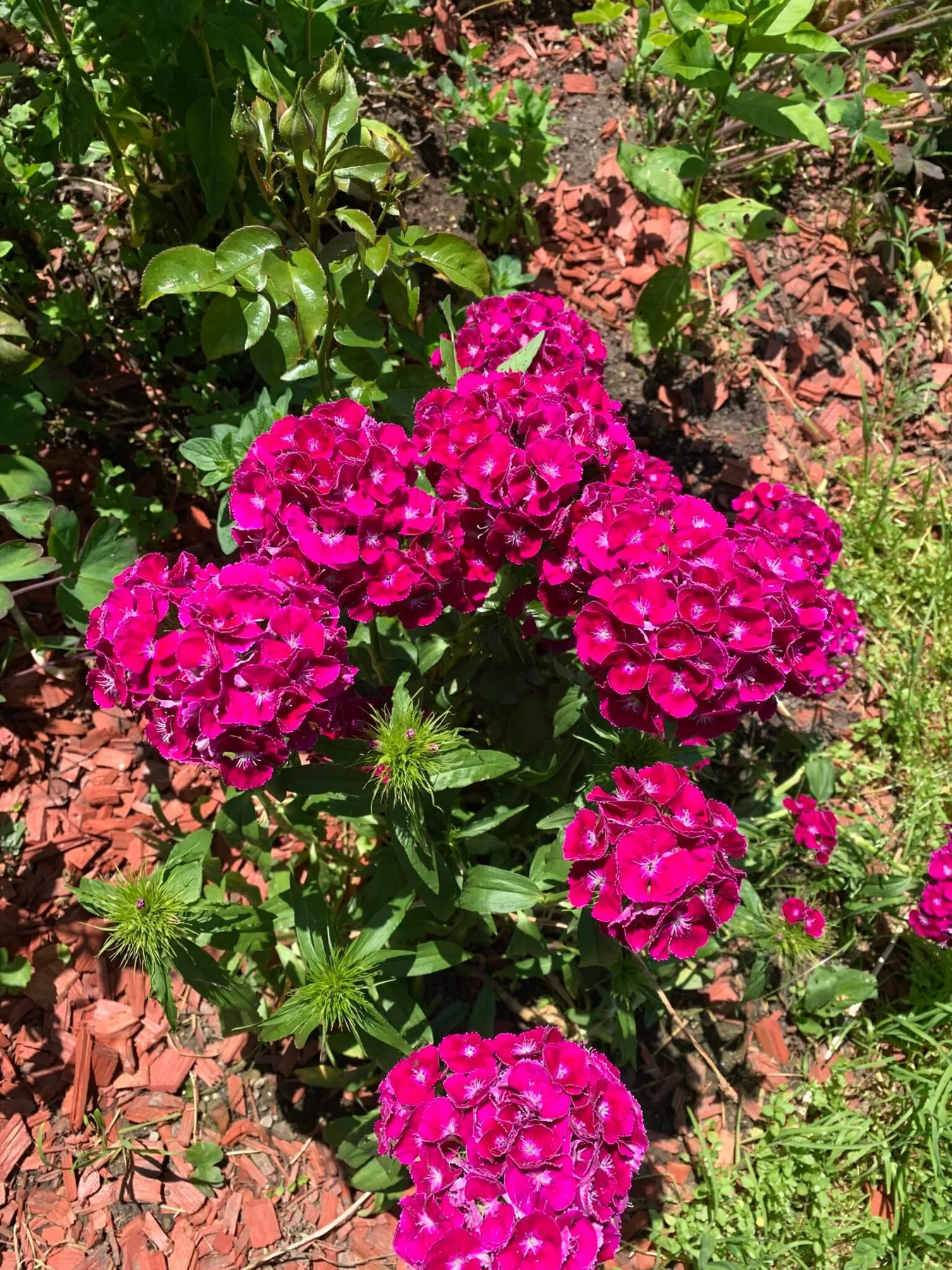
Botanically speaking, sweet William is a biennial, not a perennial. But because it self-seeds so easily in my garden, it behaves almost like a permanent plant.
The young rosettes, grown from seeds dropped the year before, come out from under the snow green and compact, ready to grow and flower during the summer. I like the way they find their own places. They sometimes appear where I didn’t plant them, and the colors of each new generation always bring a small surprise.
03
Lavender — the right spot makes the difference
Lavandula angustifolia
Lavender brings the scent of summer and the hum of bees, but for me its story begins with choosing the spot. On ground with clay patches, how the water drains matters a lot.
I look for sunny, well-drained areas for it. A raised spot can help if it lets water drain away from the roots. Persistent winter wetness can be a serious problem, along with the cold. In spring I wait to see new growth before deciding what has really died.
Ornamental sage — the promise of violet spikes
Salvia nemorosa
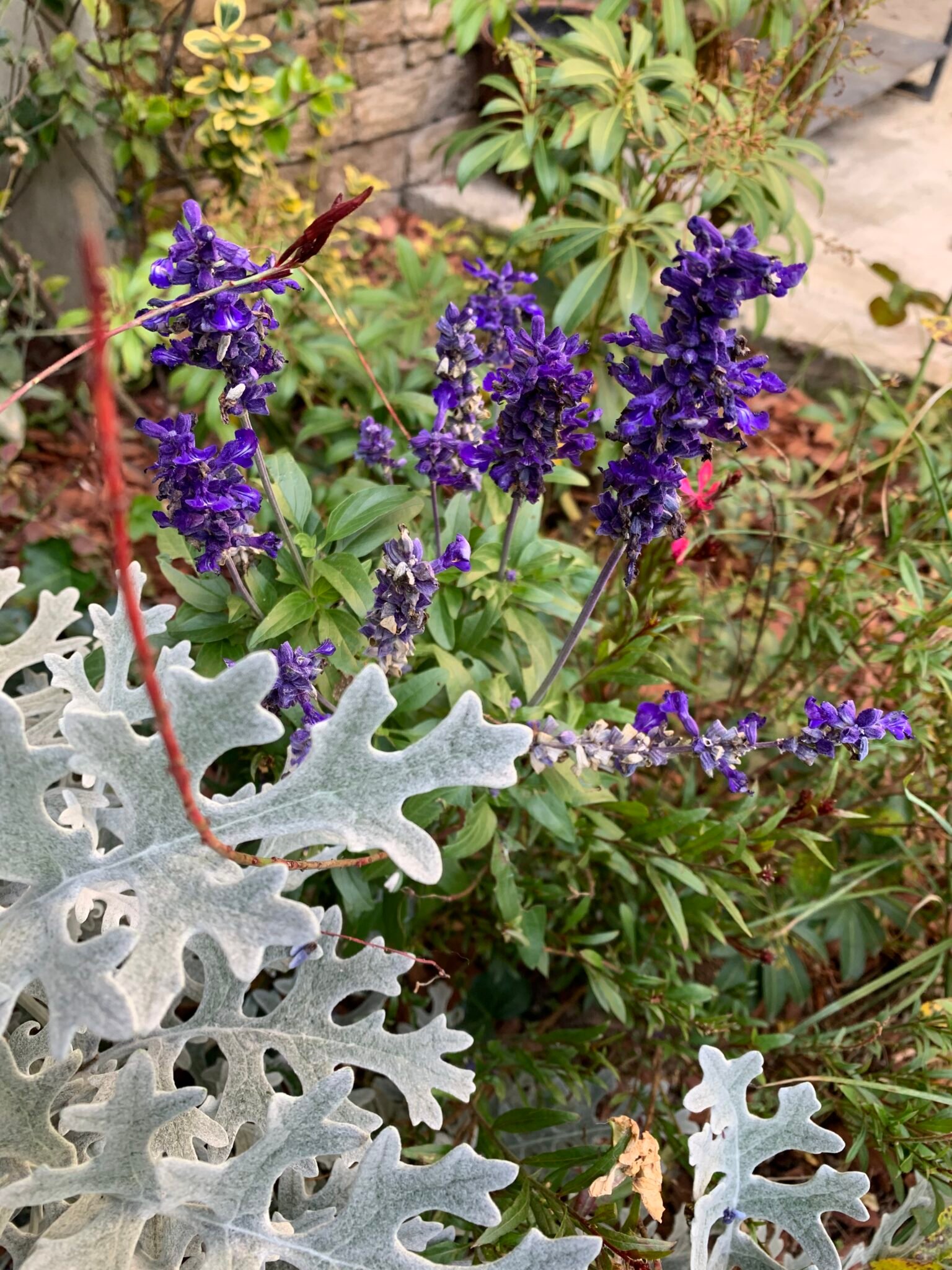
Ornamental sage is one of the plants I’m happy to find again at the base of the old stems. In summer, its violet-blue spikes tie groups of flowers together nicely and are visited by pollinators.
In my garden it does well in a sunny spot with good drainage. After the first flush of flowers, removing the spent stems can encourage another round of blooms, depending on the weather and the condition of the plant.
04
Echinacea — the first to reclaim its place
Echinacea purpurea
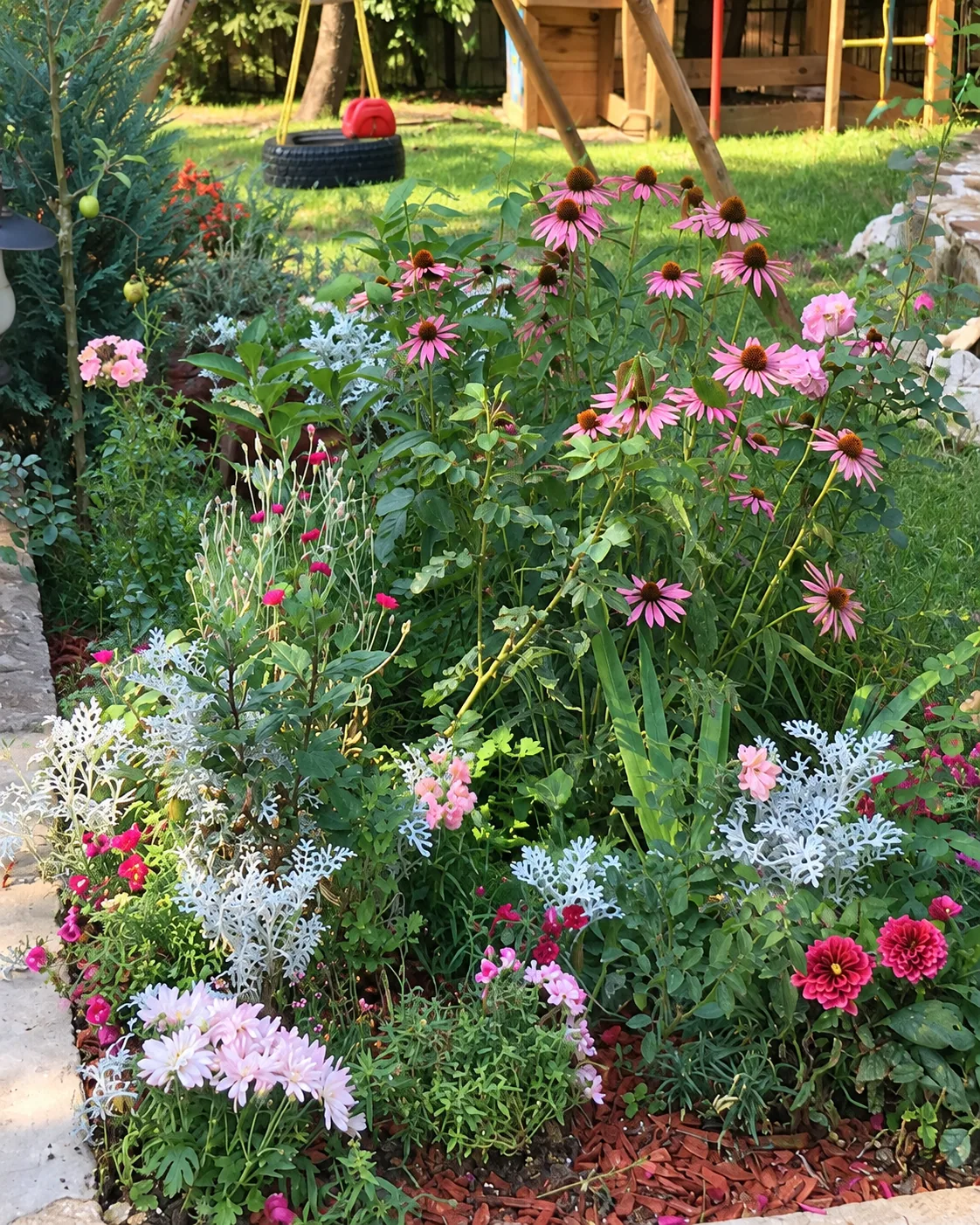
I leave the dry echinacea stems standing over winter — not just out of laziness, but also because they provide shelter, keep the structure of the beds and can be removed more efficiently in spring, in a single pass.
The first sign I look for isn’t a green leaf but the small reddish buds at the base of the dry stems. Once I see them, I know the plant has come through winter well, even if the rest of the clump still looks lifeless.
I’ve come to value echinacea precisely because it’s so undemanding. Once established, it handles summer dry spells well, attracts lots of pollinators while it’s in bloom and, so far, hasn’t let me down in any season.
05
Mint and lemon balm — the green that comes back with determination
Mentha spp. and Melissa officinalis
Mint and lemon balm are among the herbs I can count on in my garden. When the tender leaves reappear, their scent already brings something of the warm days, even if the mornings are still cold.
Mint spreads by rhizomes and needs boundaries. I keep it in a contained space or in a container, bearing in mind that roots in pots are more exposed to frost than those in the ground. Lemon balm does well in partial shade too and can turn up in new places if I let it set seed.
Creeping thyme — life among the stones
Thymus serpyllum
Creeping thyme fills the small spaces between stones and the sunny edges, where the soil is thinner and water drains quickly. It grows close to the ground and gradually forms a fragrant carpet. It doesn’t need very rich soil; for it, light and drainage matter more than lots of fertilizer.
Garden sage — silvery leaves and a little patience
Salvia officinalis
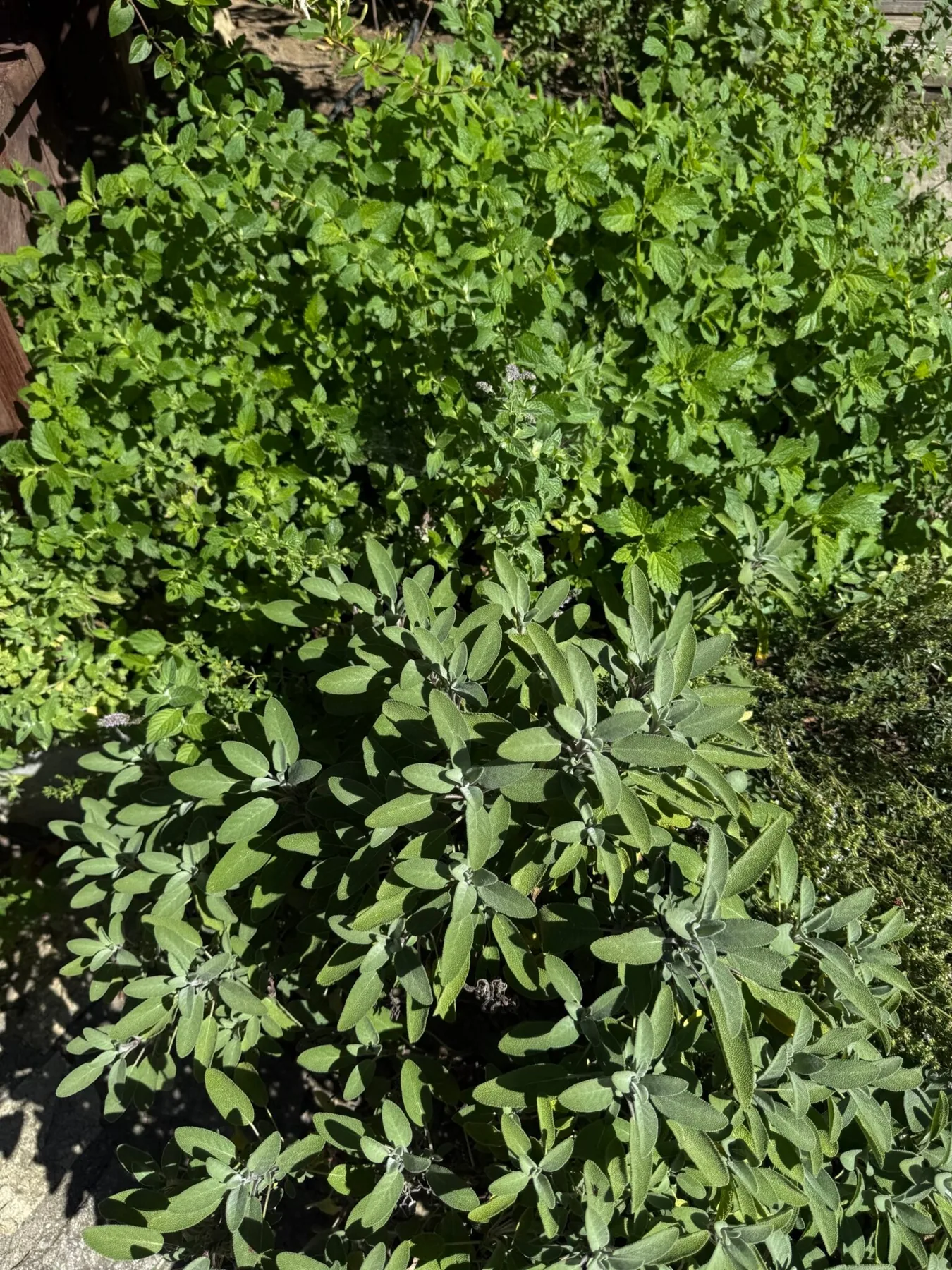
Garden sage earns its place both for the leaves I use in the kitchen and for their velvety, gray-green texture. I choose a sunny spot for it, where the soil doesn’t stay wet in winter. In spring I watch for its buds and new shoots before tidying it up.
06
Geranium sanguineum — almost unnoticed
Geranium sanguineum
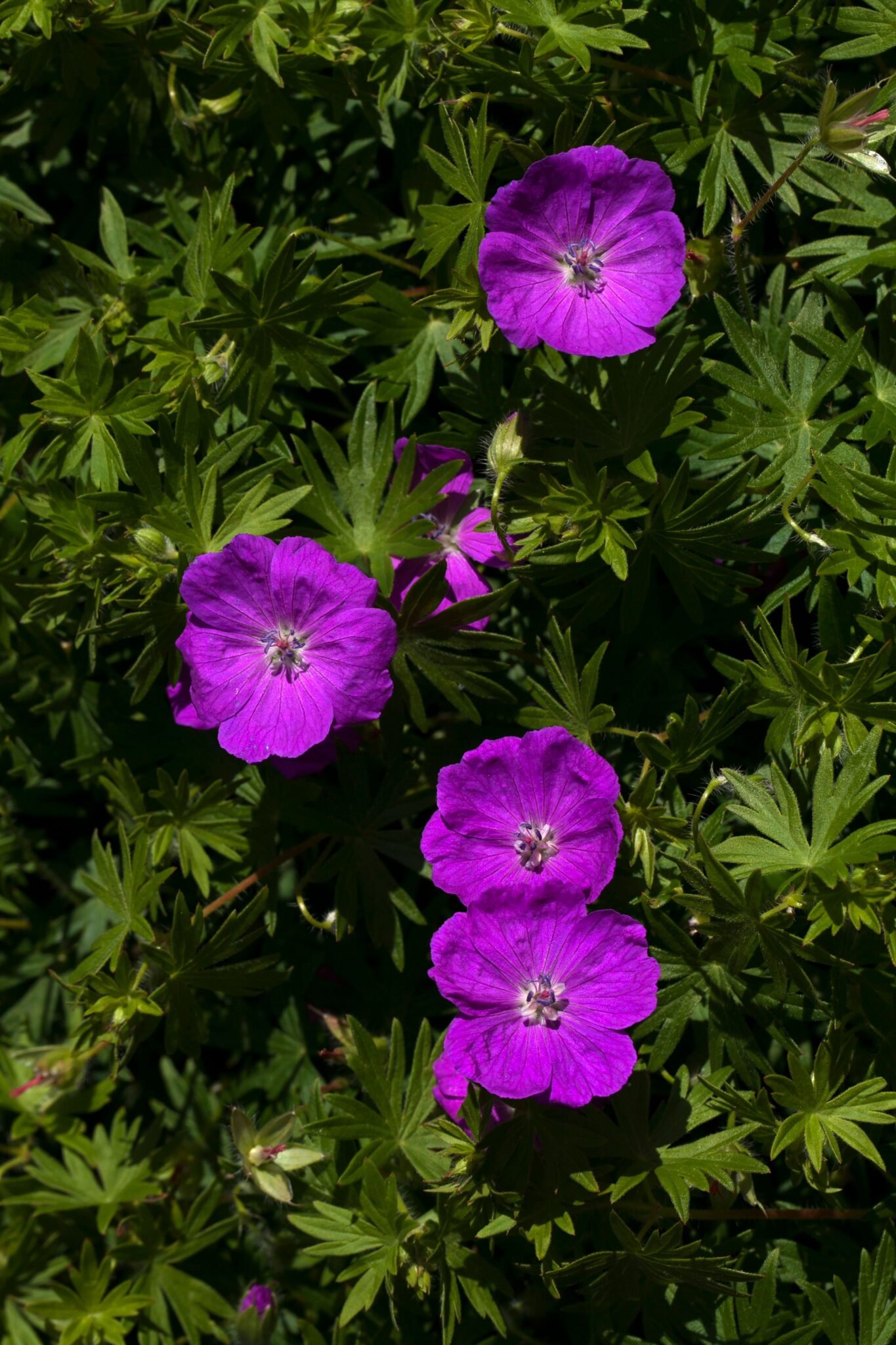
It’s the plant I almost forget I have, until I find it green again under a thin layer of old leaves. Some of the foliage stays over winter, flattened and faded on the surface but still alive underneath.
As soon as the snow retreats and the soil starts to warm, the plant regains its color without needing anything from me. It grows compactly and stays close to the ground, which I think helps it in a mountain garden. I’ve never given it extra protection and, so far, I haven’t lost a single plant.
07
Phlox — the plant that fools me every time
Phlox paniculata
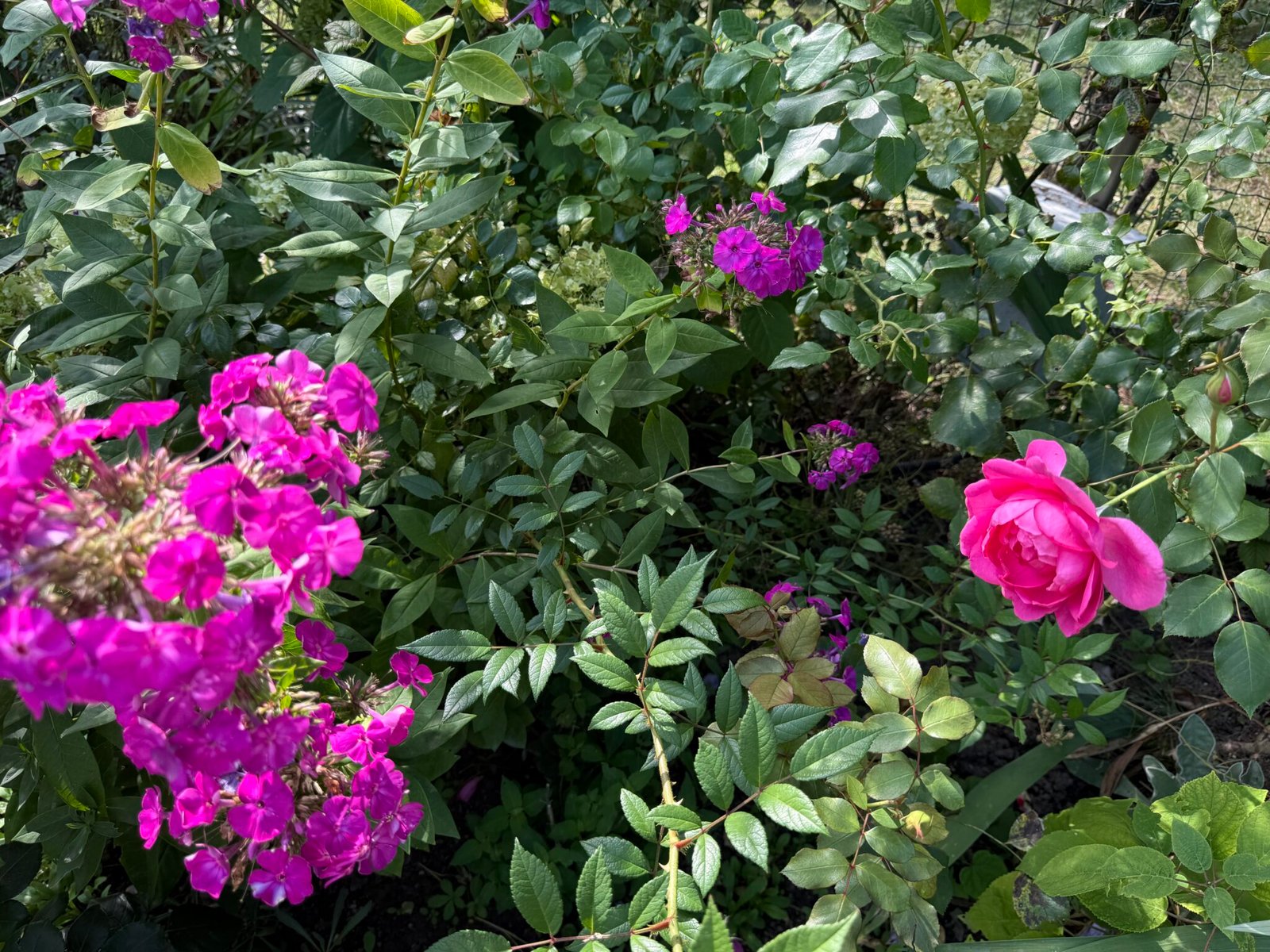
Phlox is the plant I’m most often tempted to misjudge. The stems left from the year before are brown, brittle and clearly dead. For a while, nothing above ground suggests the plant is getting ready to come back.
New shoots start from the base, sometimes still hidden under leaves and plant debris, and they take longer than those of echinacea or geranium to become visible. I’ve learned not to pull out the old stems and not to declare the plant lost too soon.
Peonies — a joy that asks for waiting
Paeonia spp.
Peonies have their own way of making the wait worthwhile. With herbaceous peonies, the part above ground disappears in the cold season, and their return begins with shoot tips breaking through the soil in spring.
Once they’re well established, I let them grow in their place. I like plants that gather years in one corner of the garden and gradually give it a sense of continuity.
08
Roses — I look at them bush by bush
Roses are perennial shrubs and have a special place in this review. After winter, each bush gradually shows its condition: live buds, healthy canes, sometimes parts damaged by frost.
In my collection, hybrid teas need more attention, and I mound them up for protection. Polyantha roses and some of the ones used in beds have seemed easier to care for. Still, the group alone doesn’t tell you how well a rose will come through winter: the variety, the age of the plant, the spot, the wind and the drainage all matter.
In spring I don’t just check whether a rose survived. I also care about how well it starts growing again, how much it has to rebuild and how it develops over the following months.
Gaura — a plant I’m still watching closely
Oenothera lindheimeri, also known as Gaura lindheimeri
Gaura brings those airy flowers, carried on thin stems, that seem to float above the beds. Sun and good drainage are important, and severe cold and persistent wetness can put the plant in trouble. I keep it among the plants I observe from one season to the next before drawing any conclusion about its long-term hardiness.
Snapdragons — a surprise when they come back
Antirrhinum majus
In my garden it’s grown mainly as an annual, although sometimes a plant can make it through a milder winter in a sheltered spot. I enjoy these returns, but I don’t plan my plantings counting on them. A plant that appears in spring may also come from seeds dropped the season before.
09
What the plants that come back on their own have in common
Echinacea, Geranium sanguineum, sweet William and phlox don’t all belong to the same botanical category, nor do they start growing at the same time. What brings them together in my garden is the way they come back without asking me for special preparations: no mounding, no covers and no other extra protection.
The challenge comes a little later, when the weather warms and the slugs find the tender shoots before I manage to step in. But that’s another story, one for the guide on pests and diseases.
What I learn from these returns
Watching the plants that come back, I understand the garden better and better. Some need coolness and moist soil, others sun and water that drains quickly. Hardiness also starts with matching the plant to the spot where I put it.
I’m also learning to tell patience from giving up. A bed that looks empty in early spring may be hiding plants that are still dormant. A bush with damaged canes may have healthy buds at the base. And one spectacular comeback needs a few more seasons before it becomes an observation I can rely on.
With every spring, the garden gains more continuity. I recognize the spots, wait for the same flowers and notice what has changed. Through it all, the joy stays very simple: bending over the cold soil and finding, once again, a green beginning.