
Practical guides · Pruning by plant type
Pruning ornamental shrubs
When does it flower, and on which stems? That’s where I start
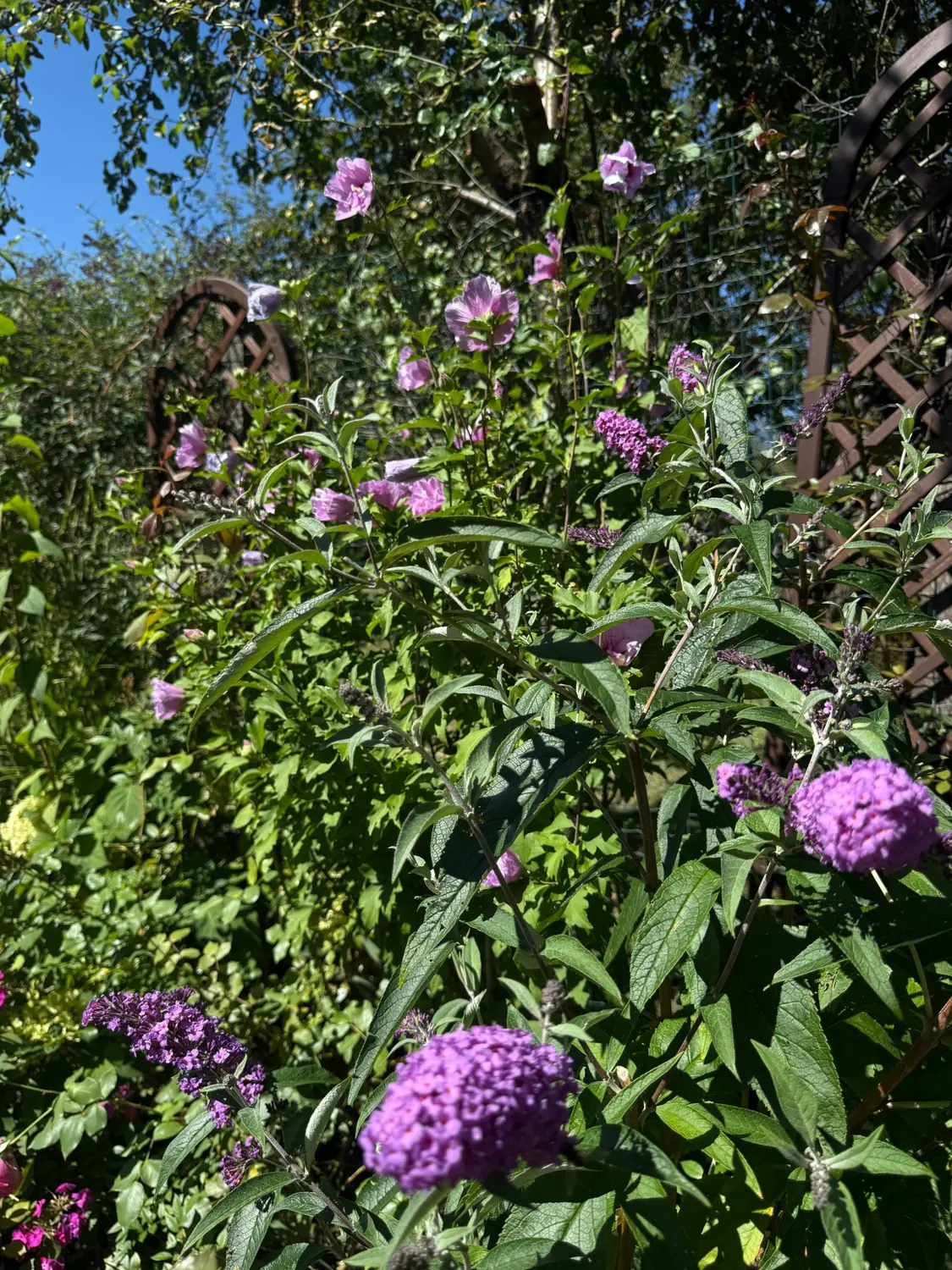
With ornamental shrubs I start from a simple question: when do they flower, and on which stems do the flowers form? The answer settles many situations, but not all of them. Two shrubs that flower in the same month can need different pruning.
I want to keep their natural shape, not turn every bush into a ball like all the others. Sometimes a few carefully chosen branches are enough for light, space and better flowering.
At a glance
Old wood
Spring flowering
New wood
Summer flowering
I prune in spring, before growth starts [1]
Persistent leaves
Evergreens
After flowering; not in fall and not in winter [1]
Rejuvenation
Aging shrubs
No bare wood
Conifers, lavender
Avoid
What I don’t do
I don’t prune in fall, and I don’t shear every shrub into the same shape [4]
A rough calendar for Bran
The months are planned for my garden at 770 m (2,500 ft). Each year’s weather can shift them by a week or two.
Rough timing for pruning ornamental shrubs in the garden in Bran, Brașov County
| Task | Jan | Feb | Mar | Apr | May | Jun | Jul | Aug | Sep | Oct | Nov | Dec |
|---|---|---|---|---|---|---|---|---|---|---|---|---|
| Forsythia | ● | |||||||||||
| Weigela, Philadelphus, Physocarpus | ● | ● | ||||||||||
| Buddleja, Spiraea japonica | ● | ● | ||||||||||
| Evergreens | ● | ● | ||||||||||
| Lavender | ● | |||||||||||
| Rejuvenation | ● |
What to prune when
Old wood
Forsythia, weigela, mock orange, lilac, flowering currant
New wood
Buddleja, Spiraea japonica, paniculata hydrangeas
When and how
In spring: last year’s growth, to 2–3 buds above the thick wood. [1]
Evergreens
Shrubs with persistent leaves
When and how
After flowering, lightly, only what’s out of shape. [1]
Lavender
Lavandula
When and how
After flowering, lightly, without cutting into bare wood. [3]
Conifers
Arborvitae, juniper, pine
When and how
Only in the green part; many won’t regrow from wood without leaves. [2]
Shrubs that flower on old wood
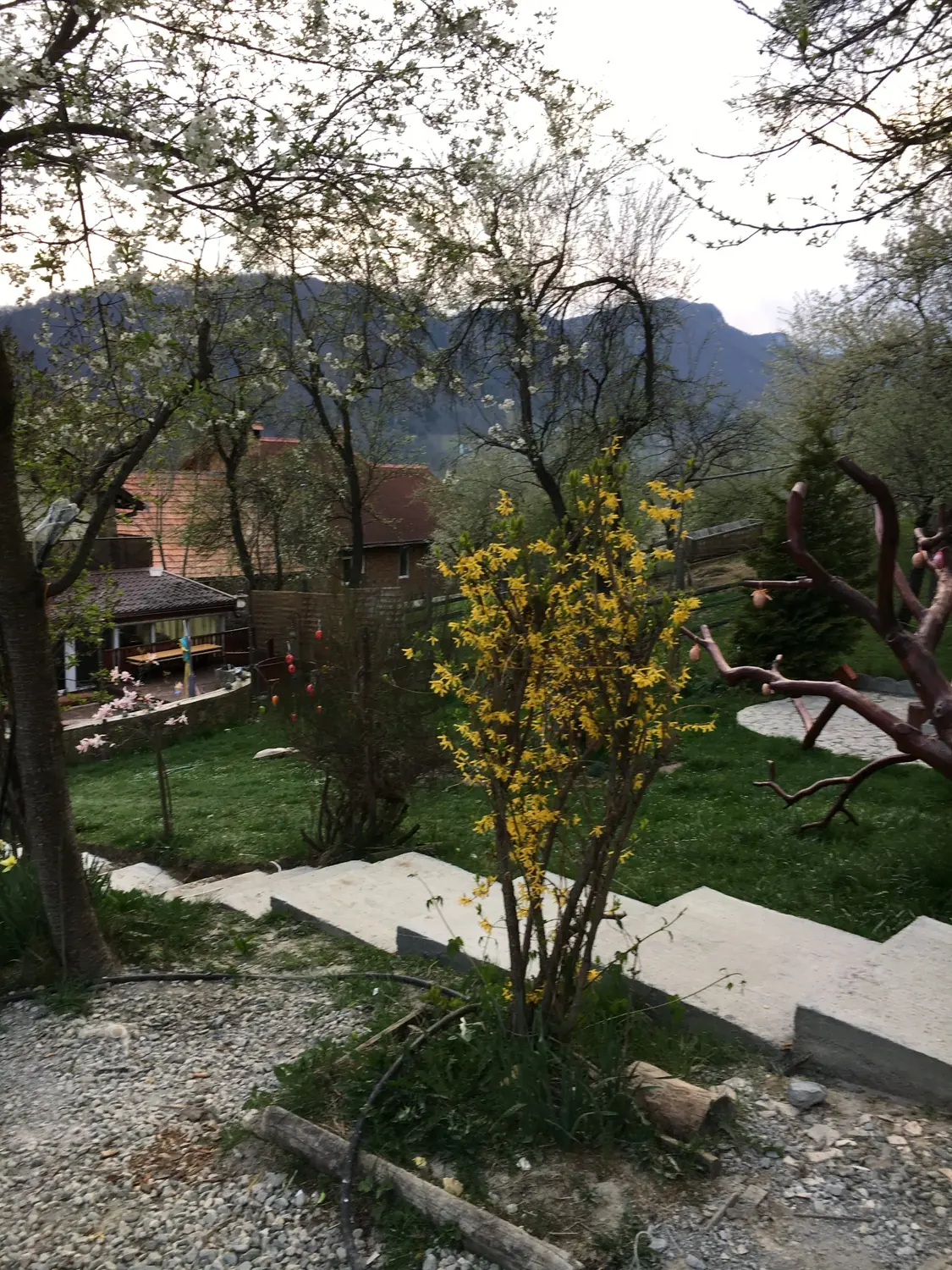
Forsythia, weigela and mock orange (Philadelphus) form their flowers on stems that grew last year. If they need pruning, I prune them right after flowering. A general cutback in late winter would remove the buds already set for spring. [1]
I don’t cut every stem to the same length. I shorten the stems that flowered back to a strong shoot and remove a few stems that crowd the bush. That leaves room for the stems that will flower next year. [1], [4]
Shrubs that flower on new growth
With some summer-flowering species, like Buddleja davidii and Spiraea japonica, pruning in late winter or early spring produces shoots that flower that same year. I choose the timing by the weather, and how much I cut depends on the species and how big I want the shrub to stay. [1]
The rule doesn’t apply to every shrub that flowers in summer. Hydrangeas, for example, need the species identified first, and I have a separate guide for them.
Rejuvenating a mature shrub
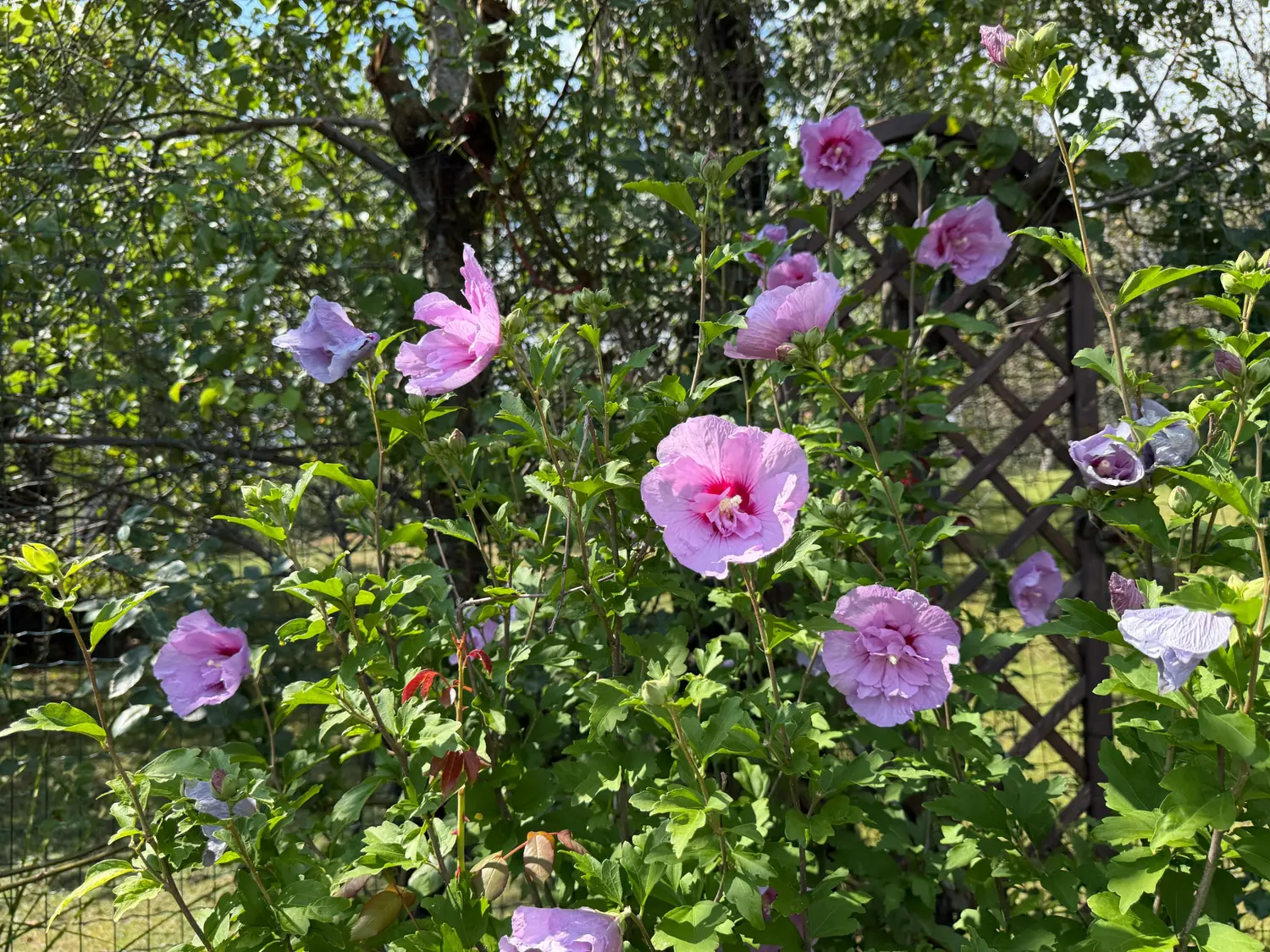
With multi-stemmed shrubs that can take it, I renew the bush over three years. In the first year I remove about a third of the oldest stems, the ones with dark bark, at the base, plus any dead or weak ones. In the second year I remove half of the remaining old stems, and in the third, the rest. [1]
That way the bush keeps some of its shape and flowers every year. If a shrub keeps outgrowing its spot, I also consider moving it, not just pruning it harder and harder.
The exceptions I keep in mind
Conifers and evergreen shrubs don’t fit the scheme above. Many conifers won’t regrow from old wood without foliage; before any major pruning, I find out exactly which species I have. [2]
Lavender doesn’t regrow easily from the base like a deciduous shrub either. I prune it lightly after flowering and always keep some leafy growth, without cutting into old, bare wood. [3]
Before I start and after I finish
I look at broken stems, at the condition of the bush and, in spring and summer, for nests in it. A job that isn’t urgent can wait until the birds have left.
At the end I take a few steps back. If the shrub has kept its shape, has room for new growth and doesn’t look stripped, the pruning has done its job. In my garden, good care shouldn’t be visible at first glance.
Step by step
- I find out when the shrub flowers and on what kind of stems.
- I check for nests.
- I remove dead, broken or rubbing stems.
- I prune by group: right after flowering or in spring.
- On aging shrubs, I remove a third of the old stems.
- I take a few steps back and check the shape.
Common mistakes and what I do
Diagnosis
Forsythia with no flowers in spring
Diagnosis
Bare at the base, flowers only at the top
Likely cause
Years of pruning only the tips
What I do
I rejuvenate it gradually, a third of the old stems a year. [1]
Diagnosis
Tall buddleja with few flowers
Likely cause
Not pruned in spring [1]
What I do
I cut it back in spring to 2–3 buds above the thick wood.
Diagnosis
Lavender that won’t regrow
Likely cause
Cut into bare wood [3]
What I do
I prune only in the leafy part, after flowering.
Diagnosis
A brown patch on a conifer that won’t green up
Likely cause
Cut into wood without foliage [2]
What I do
I prune only in the green part.
Diagnosis
A shrub that starts late and puts out soft growth in fall
Likely cause
Pruned in fall [4]
What I do
I leave pruning for after flowering or for spring.
Tools and hygiene
Pruners should be sharp and clean: a clean cut closes faster than a crushed one. For thick stems I use loppers or a saw and don’t force small pruners.
When I cut diseased stems, I wipe the blade with 70% alcohol before moving on to the next plant, so I don’t spread the disease. At the end I clean my tools, dry them and oil them lightly so they don’t rust. [5]
What I do with the clippings
I chop healthy branches for compost or mulch. Thicker branches go into a pile in a quiet corner, where hedgehogs and insects shelter. Diseased branches go out of the garden.
In my garden
In the garden
Physocarpus ‘Lady in Red’
Group
Old wood
When I prune it
After flowering
In the garden
Lavender
Group
Subshrub
When I prune it
After flowering, lightly
In the garden
Paniculata hydrangea
Group
New wood
When I prune it
March–April (see the hydrangea guide)
In the garden
Forsythia
Group
Old wood
When I prune it
Right after flowering, in May
In the garden
Buddleja
Group
New wood
When I prune it
March–April
Checklist
- I know when each shrub flowers.
- I checked for nests.
- Spring-flowering shrubs were pruned after flowering.
- Summer-flowering shrubs were pruned in spring.
- On old shrubs I removed a third of the oldest stems.
- I pruned lavender and conifers only in the green part.
Further reading
- RHS — Pruning shrubs
- RHS — How to grow conifers
- RHS — How to grow lavender
- Jardiner Malin — Pruning flowering shrubs (in French)
- Jardiner Malin — Caring for garden tools (in French)
I’ve adapted the advice from these sources to my mountain garden. The weather, the plant and its condition matter more than the month on the calendar.